


Choosing the right powder conveying system starts with understanding the material and the transfer requirements. Powder flowability, required capacity, conveying distance, lifting height, and feeding and discharge conditions all influence equipment selection. This guide explains how to compare common conveying methods and identify a suitable solution for your production process.
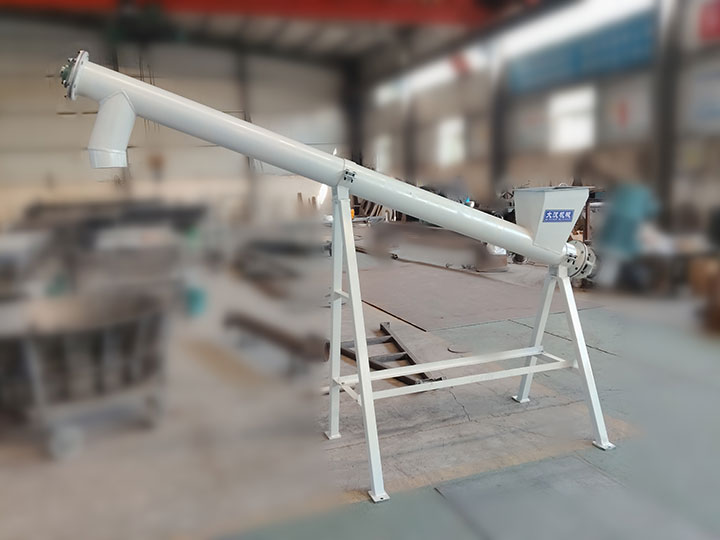
Powder properties affect how material enters, moves through, and leaves a conveying system. Free-flowing powders may feed steadily, while cohesive or moisture-sensitive materials can bridge, form lumps, or discharge unevenly. These differences can affect both conveying stability and equipment configuration.
Before selecting a conveyor, evaluate particle size, bulk density, flowability, moisture content, abrasiveness, and the tendency to stick or compact. Fine powders may require particular attention to dust containment, while abrasive materials may require wear-resistant components. Cohesive powders may also need a suitable feeding arrangement to maintain consistent material flow.
Use the actual material characteristics as the starting point for equipment selection. If the powder is difficult to handle or its properties are uncertain, a material sample and basic application details can help determine whether further testing is needed.
Required capacity is one of the first practical figures to define. A system moving a few hundred kilograms per hour has different requirements from one handling several tons continuously, even when the powder is similar.
Look at the actual material flow rather than choosing the conveyor size first. Define the required output in kg/h or t/h, whether the process runs continuously or in batches, and whether the conveyor is simply transferring powder or also supplying another machine at a controlled rate.
Conveying distance and lifting height also affect the final setup. A short horizontal transfer may need a different arrangement from a system that moves powder several meters upward. These factors are best considered together with the required capacity when determining the conveyor configuration.
Once the material properties and conveying requirements are clear, compare the available conveying methods. The most suitable option depends on the material behavior, transfer route, required capacity, installation space, and how the conveyor connects to the rest of the production line.
| Conveying Method | When to Consider It | Key Selection Factors |
|---|---|---|
| Screw Conveyor | Moving bulk powder between connected process points | Material flowability, conveying distance, inclination, and wear |
| Flexible Screw Conveyor | When the conveying route needs a flexible layout | Powder behavior, route bends, feed consistency, and required capacity |
| Pneumatic Conveying | When powder needs to move through a conveying pipeline | Distance, elevation, airflow requirements, pressure loss, and material properties |
| Vacuum Conveying | When enclosed powder transfer under suction is required | Pickup conditions, conveying rate, receiver capacity, and filtration |
| Bucket Elevator | When bulk material needs to be lifted vertically | Lifting height, capacity, feeding conditions, and discharge arrangement |
These methods are not interchangeable in every application. A screw conveyor may be worth evaluating for a defined transfer route, while a flexible screw conveyor may suit layouts that require greater routing flexibility. Pneumatic and vacuum conveying systems require assessment of their conveying conditions and air-handling requirements, while a bucket elevator is primarily considered for vertical lifting.
Before making a final selection, check the actual material characteristics, required conveying rate, route layout, and inlet and outlet connections. For difficult-to-handle powders or demanding operating conditions, material testing and engineering evaluation may be needed to confirm the proposed configuration.
A powder conveying system must fit the complete material route, from the feeding point to the receiving equipment. Powder may come from a hopper, silo, feeder, or processing machine before moving to a mixer, vibrating screen, storage bin, or packing system. The equipment layout should account for these connections from the beginning.
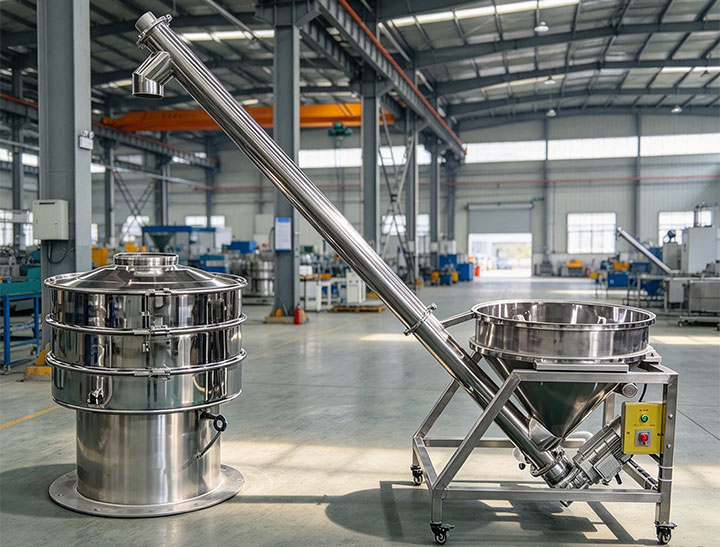
Check the horizontal conveying distance, lifting height, conveying direction, available installation space, and any bends along the route. These conditions can affect the choice of conveying method and the arrangement of the inlet and outlet. A suitable layout also helps avoid unnecessary transfers and difficult connections during installation.
Feeding and discharge conditions are equally important. An uneven supply from a hopper or an unsuitable outlet connection can interrupt material flow even when the conveyor has sufficient capacity. For powders that tend to bridge, compact, or feed inconsistently, the hopper design and feeding arrangement may require additional evaluation.
Before selecting the equipment, identify where the powder enters the system, where it needs to go, and whether a controlled feed rate is required. A simple layout drawing or site photos can help clarify the installation conditions and determine a suitable system configuration.
Fine powders may generate dust during transfer, while moisture-sensitive materials can absorb moisture, form lumps, or become more difficult to convey. These characteristics should be considered when choosing the conveying method, enclosure, and feeding arrangement.
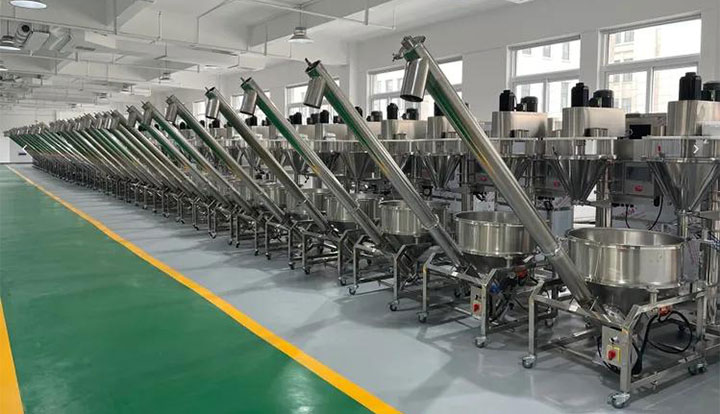
Where dust containment is important, an enclosed transfer system or suitable dust collection arrangement may be required, depending on the material and process conditions. For materials that are sensitive to moisture, evaluate the operating environment and whether additional protection is needed to maintain consistent material flow.
Cleaning and contact-material requirements should also be defined before equipment selection. Stainless steel contact parts may be appropriate when corrosion resistance or specific hygiene requirements are important, but the material and construction should be selected according to the actual application. Equipment that requires frequent cleaning should provide practical access to relevant contact areas.
If the powder presents potential safety risks, such as combustible dust or hazardous exposure, the system design should follow an appropriate risk assessment and site-specific safety requirements. These needs should be confirmed before the equipment configuration is finalized.
To receive a more accurate recommendation for a powder conveying system, prepare the following application details before contacting a supplier:
A layout drawing, equipment connection dimensions, or site photos can help clarify the installation conditions. If some material properties are unknown, provide the available information first so the supplier can identify what else needs to be confirmed.
With these details, the supplier can evaluate suitable conveying methods, identify potential configuration constraints, and prepare a more relevant quotation. Final equipment selection should be based on the actual material and operating conditions.
Start by evaluating the powder's flowability, bulk density, moisture content, and abrasiveness. Then compare the required capacity, conveying route, lifting height, and feeding conditions to identify suitable conveying methods.
Capacity depends on the material properties, conveying method, route layout, and operating conditions. The system should be evaluated against the actual required throughput and the receiving equipment's feeding requirements.
Provide the powder name, required capacity, conveying distance, lifting height, and feed and discharge locations. A layout drawing or site photos can help the supplier assess the installation conditions and recommend a suitable configuration.


Address:China,Yanjin county forest park gate to the west 1000 meters north road.


 Online Chat


 Email