


A folding belt conveyor is a conveyor designed to fold into a more compact position when it is not in use. This design can simplify storage and repositioning, particularly in workplaces where the equipment is not needed in the same location throughout the day.
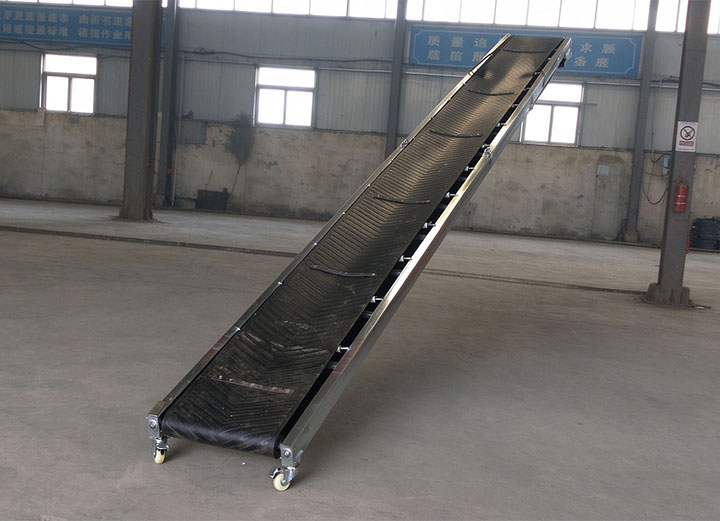
The main advantage is not simply that the conveyor can fold. It is that the conveying equipment can be adapted to workplaces where available space changes between loading, unloading, and storage. Before choosing a model, buyers should check how the conveyor folds, how much space it occupies when stored, and whether its working configuration suits the actual material-handling task.
Before comparing conveyor models, define the load, transfer distance, required output, and available working space. These details help establish the equipment requirements before you compare individual specifications.
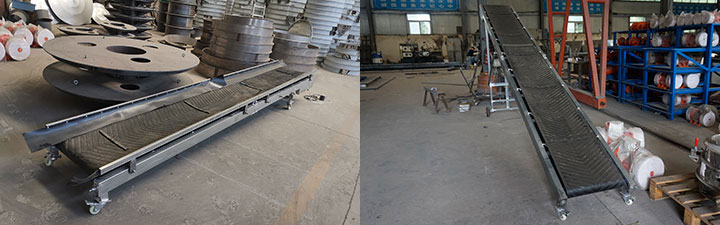
Material Type and Load: Consider whether the conveyor will handle cartons, bags, packaged goods, or loose materials. The size, weight, and surface condition of the load affect belt selection and the support structure required. Materials should remain stable during conveying, especially when the belt operates at an incline.
Conveyor Length and Belt Width: The belt should provide enough usable width for materials to travel without hanging over the edges. Determine the required length from the actual distance between the loading and discharge points, taking the conveyor's working position into account.
Required Throughput: Estimate how much material needs to be moved within a given period. For cartons and bags, consider the number of items handled per minute; for bulk materials, consider the required conveying capacity. Belt speed and loading consistency both affect actual output.
Working Height and Incline: Check the height difference between the loading and discharge points. If inclined conveying is required, consider whether the material may slide or roll back. The suitable belt surface and operating configuration depend on the material and working conditions.
Folding Structure and Available Space: Check the conveyor's folded dimensions and the space needed to fold or unfold it safely. If the equipment must be moved frequently, consider its weight, mobility, and repositioning method as well.
Belt and Frame Materials: Select materials according to the conveyed products and working environment. Moisture, dust, cleaning requirements, and corrosion exposure may all affect material suitability. Confirm the proposed configuration with the manufacturer before ordering.
Conveyor specifications help buyers determine whether a machine can meet their handling requirements. When comparing models, look beyond the overall dimensions and check how each parameter relates to the material, required output, and working conditions.
A conveyor specification should be checked against the actual job. For example, increasing belt speed will not solve a handling problem if operators cannot feed or remove products at the same rate. A wider belt or faster operating speed does not automatically mean better performance; the final configuration must suit the intended task and site conditions.
The right folding belt conveyor depends on how it will be used and how often its position needs to change. Different work environments have different priorities.
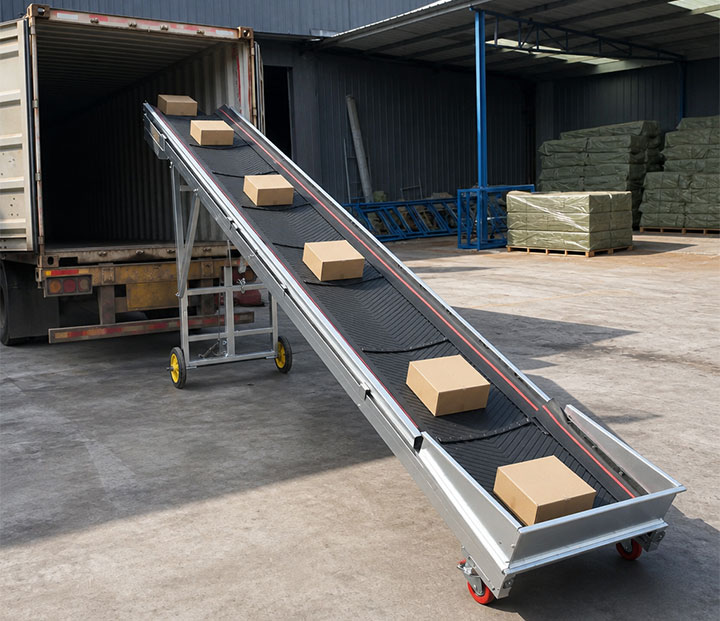
Truck Loading and Unloading: Check whether the conveyor can reach the required loading and unloading points without obstructing access to the vehicle.
Warehouse Material Handling: Consider how easily the conveyor can be folded and stored without blocking aisles or other equipment.
Carton and Package Transfer: Check whether the conveyor can fit into the existing workflow and maintain a smooth transfer between workstations.
Production and Packing Areas: Consider whether the conveyor's operating position and layout are compatible with the surrounding production equipment.
Confirm that the selected model supports your intended application before placing an order.
Before requesting a folding belt conveyor, prepare a clear description of your application. This helps the manufacturer understand your requirements and assess a suitable configuration.
Prepare Key Details: Include the material type, load dimensions and weight, conveying distance, required output, and loading and discharge heights.
Share Your Site Layout: Provide a simple drawing or photos showing the available space, transfer points, and any obstacles that may affect conveyor positioning or folding.
Explain How the Equipment Will Be Used: Describe the operating process, how often the conveyor needs to be moved or folded, and any specific site conditions.
If some specifications are unknown, explain your requirements first. The manufacturer can then identify which details need to be confirmed before preparing a quotation.
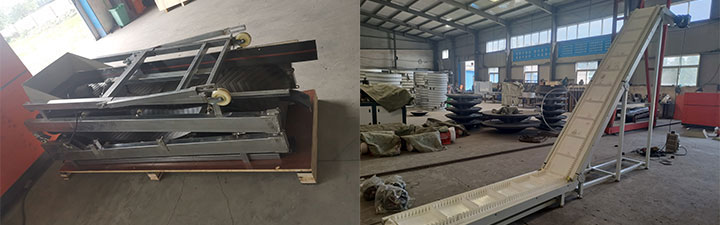
The main difference between a folding belt conveyor and a fixed belt conveyor is how the equipment is stored and positioned when it is not conveying materials. The better choice depends on whether your operation prioritizes flexibility or a permanent conveying arrangement.
| Comparison | Folding Belt Conveyor | Fixed Belt Conveyor |
|---|---|---|
| Structure | Designed to fold into a more compact position, depending on the model. | Installed in a fixed configuration for regular conveying tasks. |
| Space Management | Can reduce the space occupied during storage when folded. | Usually requires dedicated space for the installed conveyor. |
| Relocation | May be easier to reposition if the design supports movement between work areas. | Relocation may require more installation work, depending on the setup. |
| Typical Consideration | Useful where storage space or working locations change. | Suitable for stable conveying routes with consistent operating positions. |
| Selection Priority | Check folding clearance, storage dimensions, and operating stability. | Check installation layout, conveying requirements, and integration with other equipment. |
A folding design is not automatically the better option for every operation. If the conveyor will remain in the same position and run along a permanent route, a fixed model may be more appropriate. If storage space and changing work locations are important, a folding model is worth evaluating alongside its load and conveying requirements.
Some conveyor selection mistakes can lead to unexpected costs, installation problems, or operational delays. A few checks before ordering can help prevent these issues.
Choosing by Price Alone: A lower-priced model may not meet the actual operating requirements, leading to additional modification costs or the need for replacement equipment.
Ignoring Folded Dimensions: A conveyor may fit the working area but take up too much space when stored, creating problems in warehouses or loading areas.
Assuming Every Model Fits Every Application: Different conveyor designs have different capabilities. Choosing a model without confirming its suitability may result in poor performance or an unsuitable installation.
Providing Incomplete Information: Missing or inaccurate application details can lead to an unsuitable quotation, repeated revisions, and delays in equipment planning.
A folding belt conveyor is used to move materials between handling points and can be folded when not in use, depending on its design. It may be suitable for applications such as moving cartons, bags, and packaged goods where storage space or equipment positioning is a concern.
Start with the material type, load dimensions and weight, required conveying distance, target throughput, and working layout. You should also consider the available storage space and how often the conveyor needs to be folded or repositioned. These details help the manufacturer assess a suitable configuration.
It can be suitable for truck loading and unloading when the conveyor's working length, loading height, load capacity, and mobility meet the requirements of the operation. Confirm these conditions with the manufacturer before selecting a model.
Need a Folding Belt Conveyor for Your Operation? Send DAHAN the material details, required conveying distance, target output, and available working space. If you have a layout drawing or photos of the loading area, include them with your inquiry. This information will help our team review the application and discuss a suitable conveyor configuration with you.


Address:China,Yanjin county forest park gate to the west 1000 meters north road.


 Online Chat


 Email