


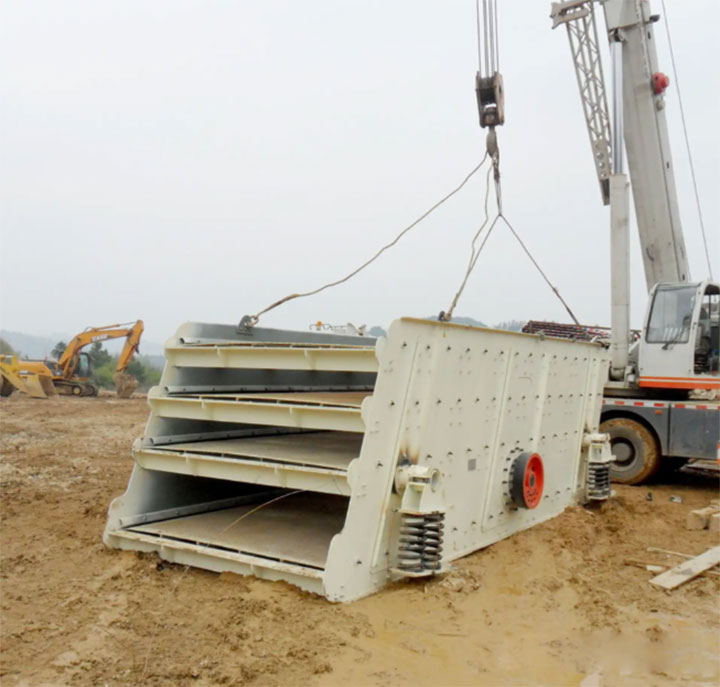
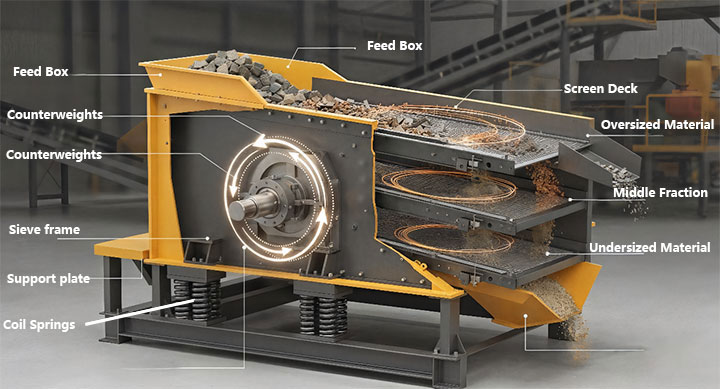
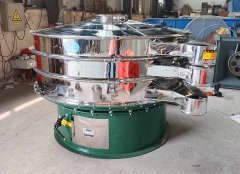
A large capacity vibrating screen is a heavy-duty mechanical screening system engineered to process massive volumes of bulk materials—ranging from 50 to over 3,000 tons per hour. As an essential piece of industrial screening equipment, it integrates high-energy excitation forces and multi-deck structures to achieve precise particle separation, grading, and dewatering under continuous, high-load operational conditions.
As a leading choice from any reliable heavy-duty vibrating screen manufacturer, a large capacity vibrating screen achieves its massive throughput through specialized mechanical design and continuous vibration mechanics.
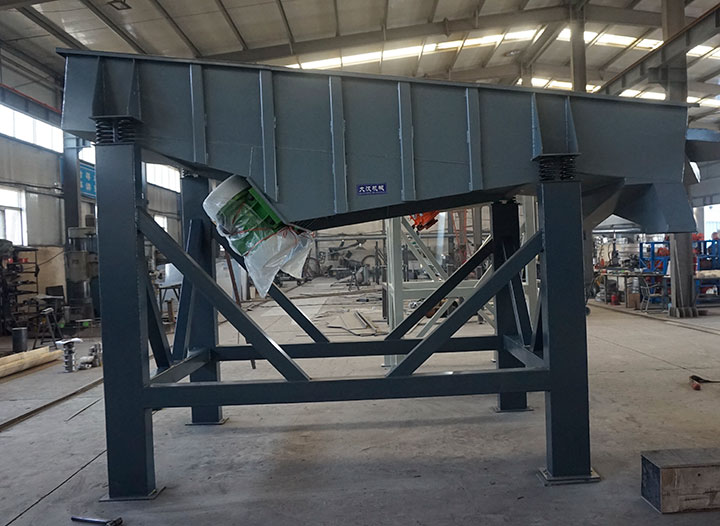
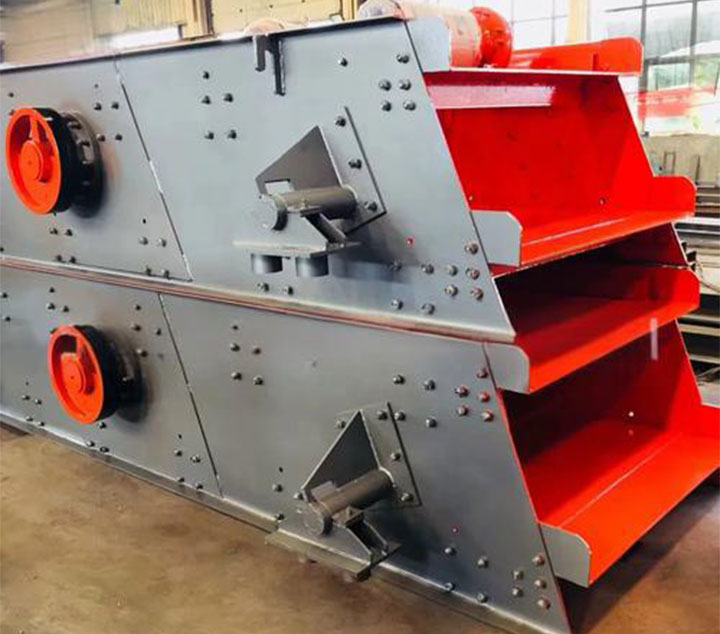
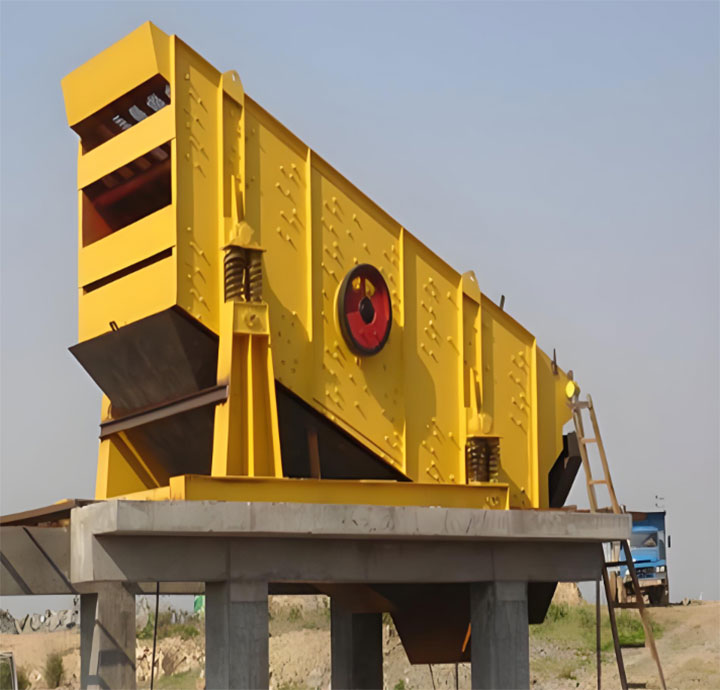
To match specific plant layouts and production goals, large capacity vibrating screens are engineered across a range of heavy-duty specifications. The following benchmark parameters—derived from standard industrial circular and linear screening configurations—outline typical operational capabilities:
| Equipment Category & Model Series | Screen Area / Deck Size | Layers | Handling Capacity (t/h) | Motor Power (kw) | Primary Application & Feeding Limit |
|---|---|---|---|---|---|
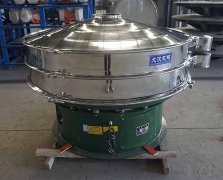
| Heavy Circular Series (e.g., YK1230 - YK2460) | 3.6 m² to 14.4 m² | 1 - 2 Layers | 220 – 600 t/h | 7.5 kW to 37 kW | Quarrying, Ore Scalping, Aggregates (Feeding ≤ 400 mm) |
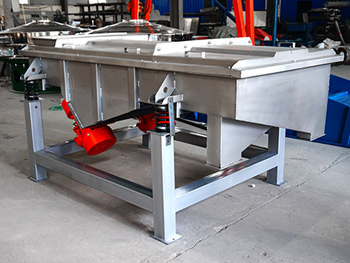
| Heavy Linear Series (e.g., DZSF-1020 - DZSF-1530) | 1000 × 2000 mm to 1500 × 3000 mm | 1 - 6 Layers | Up to 32 t/h (or high-throughput custom lines) | 0.75×2 to 2.2×2 kW | Fine Sizing, Dewatering, Dry Powder Grading (≤ 10 mm) |
| Multi-Deck High-Capacity Systems | Customized Wide-Body Housing | 3 - 5 Layers | Optimized for High Throughput | Up to 37 kW (Configurable) | Multi-Stage Precise Classification & Separation |
Engineering Note on Customization: Actual throughput varies depending on bulk density, material moisture content, mesh aperture size, and the feeding uniformity of upstream conveyors. Custom deck dimensions, mesh sizing (ranging from micro-mesh up to 50mm), and explosion-proof motor configurations are readily available for specialized chemical or heavy industrial environments.
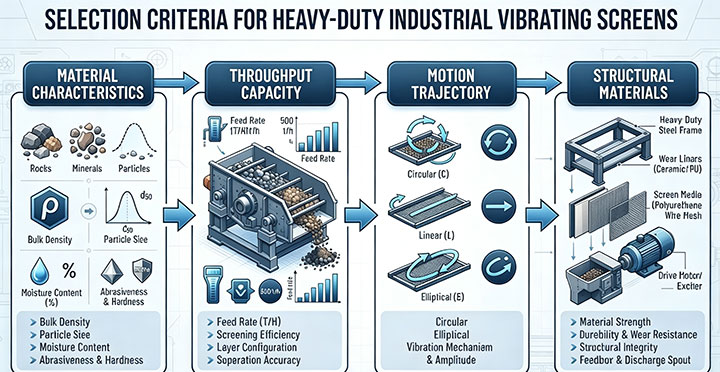
Selecting the optimal large capacity vibrating screen requires a rigorous engineering evaluation of multiple operational parameters. To ensure maximum throughput and long-term equipment reliability, engineers and plant managers should evaluate the following four core criteria:
Evaluate the physical properties of the feed material, including particle size distribution (PSD), moisture content, stickiness, and abrasiveness. Materials with high moisture or fine clay content often require specialized anti-blinding devices (such as bouncing balls or ultrasonic systems) to prevent mesh clogging.
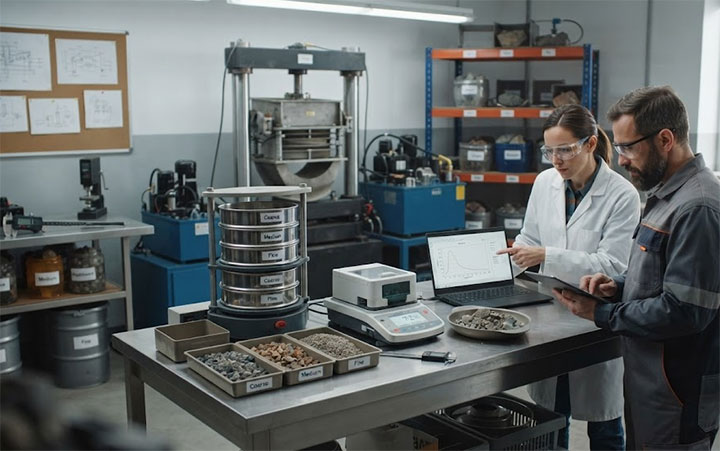
Define the target processing capacity in tons per hour (t/h) and the required separation cut points. Ensure the selected screen's deck area and acceleration force can handle peak surge loads from upstream crushers or conveyors without sacrificing classification accuracy.
Match the dynamic motion to the specific processing goal. Choose circular motion screens for heavy-duty quarrying, scalping, and high-impact rock separation, and linear motion screens for efficient dewatering, desliming, and precise dry powder grading.
Consider environmental and hygienic conditions. Select appropriate contact materials—such as Q235 carbon steel, corrosion-resistant SS304/SS316L stainless steel, or specialized liners—along with explosion-proof motor configurations when handling combustible dust or corrosive chemical substances.
High-capacity vibrating screens are essential equipment for modern processing plants. Their advanced design offers a distinct competitive advantage in demanding heavy industrial sectors.
The robust structural frame and high-energy vibration unit design increase production capacity and ensure 24/7 uninterrupted operation under heavy industrial conditions.
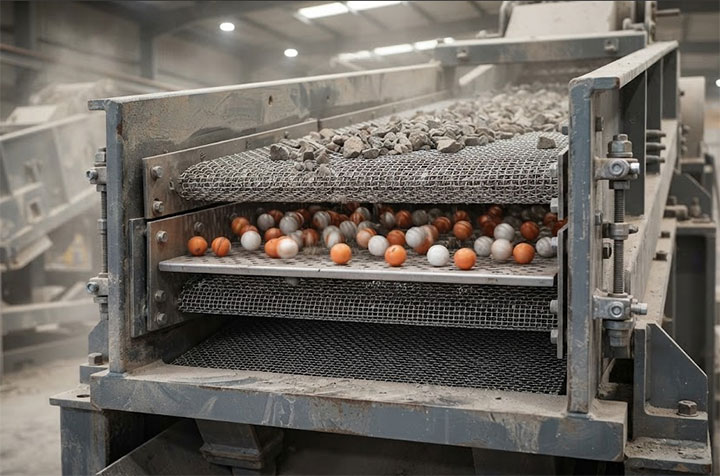
Through multi-layer screen configuration and specialized screen cleaning devices (such as bouncing balls or anti-clogging components), screening accuracy is maintained while preventing material from clogging the screen holes.
Choosing the right screening equipment largely depends on your material characteristics, moisture content, and target throughput. You can contact our engineering team to discuss your project requirements in depth. Our engineering technical team will tailor professional technical solutions and detailed specifications based on your plant layout, and provide you with a factory-direct quotation as soon as possible.


Address:China,Yanjin county forest park gate to the west 1000 meters north road.


 Online Chat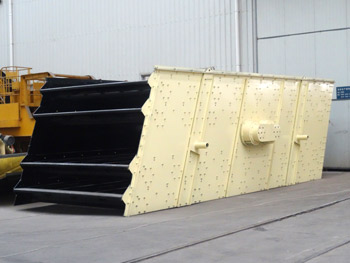
 Email
Email