


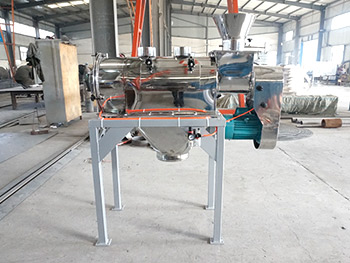
An Industrial Rotary Airflow Screening Machine is a mechanical device that propels powder materials through a screening mesh using centrifugal force and an airflow stream generated by a high-speed rotating rotor. In industrial powder processing, micro-powders tend to accumulate on the surface of traditional gravity vibrating screens and clog the mesh pores due to physical characteristics such as electrostatic charges, moisture absorption, agglomeration, light weight, and multi-burr structures, causing production line stoppages.
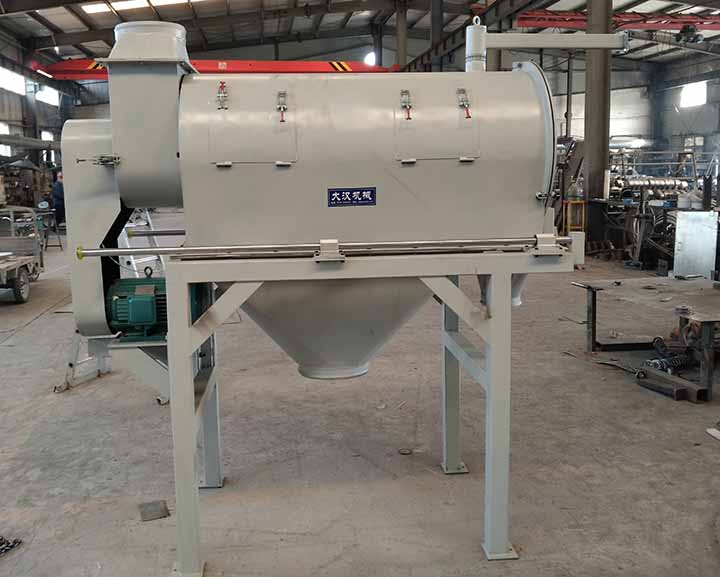
This equipment changes the limitations of traditional vibrating screens that rely solely on material weight to pass through the mesh, utilizing airflow sweeping and centrifugal projection to force materials through the mesh openings in a suspended state. Its classification particle size range typically spans from 50 mesh to 500 mesh (micron-level fine powder), and the material processing volume per hour can reach 500 kilograms to 5 tons, depending on the model and material density.
| Comparison Dimension | Traditional Three-Dimensional Vibrating Screen | Rotary Airflow Sifter |
| Driving Mechanism | Three-dimensional exciting force generated by a vibration motor, relying on gravity for discharging | Internal screw conveyor plus high-speed rotor, relying on airflow centrifugal force to push material |
| Mesh Clogging Rate | High; extremely prone to electrostatic adsorption and material jamming | Extremely low; high-pressure airflow continuously sweeps the mesh pores |
| Fine Powder Screening Rate | Decreases sharply as the mesh size increases, leading to a steep drop in output | Maintains a stable throughput rate even under micron-level high mesh sizes |
| Dust Emission Control | Seals are prone to wear during vibration, posing a risk of localized powder leakage | Fully enclosed negative pressure circulation system, ensuring no dust leakage during operation |
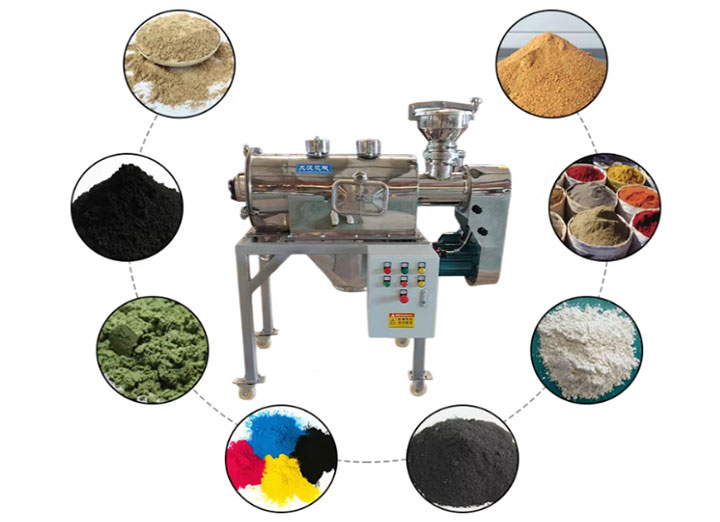
This mechanical equipment exhibits stable performance when processing industrial powders with high viscosity, strong hygroscopicity, prone to static electricity, and ultra-light specific gravity. The following are specific production application materials:
The mechanical structure and processing craftsmanship of this equipment directly determine its stability under continuous high-load operations:
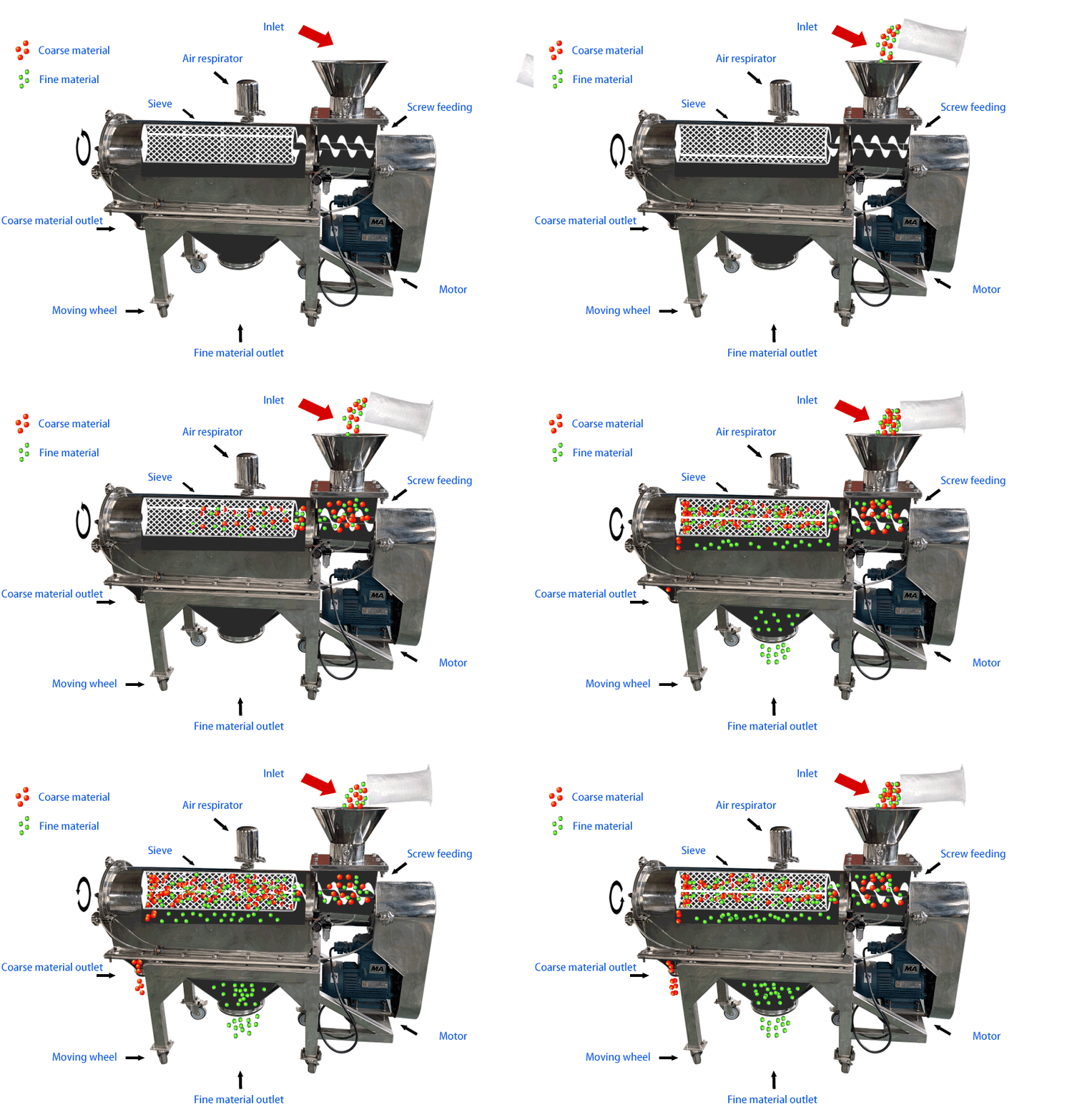
The main shaft adopts a cantilever design fixed at a single end, with no bearing support at the front. This structure allows operators to extract and replace the mesh cylinder within 3 minutes without dismantling transmission components, reducing the time cost of production line maintenance.
To prevent ultra-fine powder from entering the bearing interior and causing wear or motor burnout, the bearing chamber is designed with a compressed air interface. This introduces a high-pressure airflow to form a continuous air barrier, blocking the powder on the outside of the bearing.
The internal rotor blades are made of SUS304 stainless steel with a thickness of 3mm using cold welding fabrication, and are calibrated by a three-dimensional dynamic balancing machine before assembly. This controls the machine body vibration amplitude below 0.05mm while the shaft runs at a high speed of 1200 revolutions per minute.
The screening mesh is tightly wrapped around the outside of a stainless steel support framework using special fixtures, and the edges are fastened with PTFE sealing strips. This prevents materials from bypassing both ends of the mesh, safeguarding the purity of the screening classification.
| Model | Cylinder Size (mm) | Rotor Speed (rpm) | Power (kW) | Output Capacity (t/h) |
| LQS-100 | Φ 100 × 300 | 1440 | 1.5 | 0.1 - 0.5 |
| LQS-200 | Φ 200 × 600 | 1200 | 2.2 | 0.5 - 1.5 |
| LQS-300 | Φ 300 × 800 | 960 | 4.0 | 1.5 - 3.0 |
| LQS-500 | Φ 500 × 1000 | 740 | 7.5 | 3.0 - 5.0 |
In a technical upgrade project for a Zinc Stearate production line, a fine chemical manufacturer previously utilized two traditional rotary vibrating screens with a diameter of 1.2 meters. Since zinc stearate has an extremely light specific gravity (bulk density of approximately 0.3g/cm³) and carries highly adhesive properties, the original equipment would see its screen surface covered and jammed by white zinc stearate powder after running for 20 minutes, requiring a complete shutdown for manual brushing. The factory's average hourly output could only stay around 120 kilograms, and the workshop was filled with floating dust.
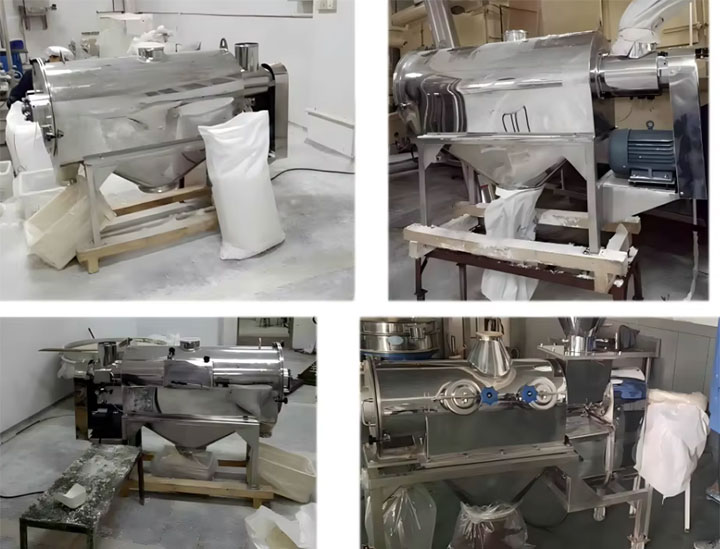
After analyzing the material characteristics, the technical team replaced them with a single Model LQS-200 Rotary Airflow Screening Machine configured with a 325-mesh screen. Once put into operation, the material entered the mesh cylinder through a screw feeder, and the airflow generated by the rotating rotor rapidly blew the light powder through the mesh pores, while coarse material (unreacted particles) was pushed to the discharge outlet. The system maintained full-load continuous operation for 8 hours without any mesh-clogging shutdowns. Measured by on-site weighing, the finished product hourly output stabilized at 650 kilograms, representing a clear increase in output data, while the dust concentration in the workshop air dropped below industrial standards.
Q: What factors typically influence the purchase price of this airflow screening equipment?
A: The manufacturing cost of this machine is not fixed; its price fluctuations mainly depend on three technical configurations: first, the material grade, where prices increment from full carbon steel, stainless steel on material contact surfaces, to full stainless steel for the entire machine (including the frame); second, the explosion-proof rating, as ultra-fine powder poses a risk of dust explosion in enclosed spaces, configuring explosion-proof motors and explosion-proof electrical control boxes adds to the hardware cost; third, customized interfaces, such as interfacing with pneumatic conveying systems, installing frequency inverters for speed regulation, or changing the flange sizes of the inlet and outlet, which generate additional engineering design and processing fees.
Q: How do we purchase and replace the screen mesh when it gets damaged? Is it necessary to rely on the original factory?
A: The mesh cylinder of this equipment adopts a standardized framework design. Although the mesh cylinders provided by the original factory fit better in terms of outer diameter and length tolerances, the wire mesh wrapped on the outside belongs to general industrial standards. When an urgent replacement is needed, enterprises can purchase standard stainless steel wire mesh or nylon mesh meeting the mesh count requirements, and utilize the tightening steel bands supplied with the machine to install and lay it manually.
Q: Is this equipment applicable for metal powders with high hardness and strong abrasiveness?
A: It is not recommended for highly abrasive materials (such as silicon carbide, emery, iron powder, etc.). Because the working principle of the airflow screen relies on materials colliding at high speeds with the screen mesh and rotor blades driven by the airflow, high-hardness particles can wear through stainless steel blades and screen mesh in a short period, shortening the equipment lifespan and introducing iron contamination.
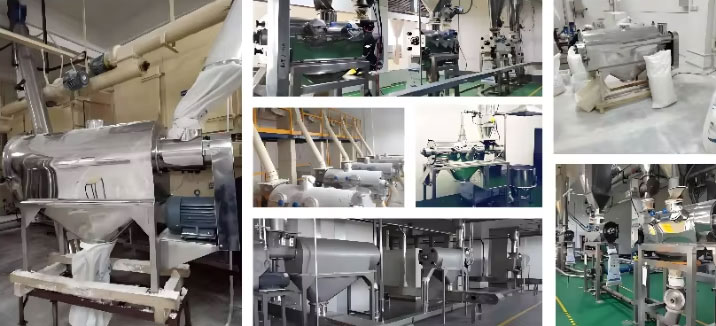
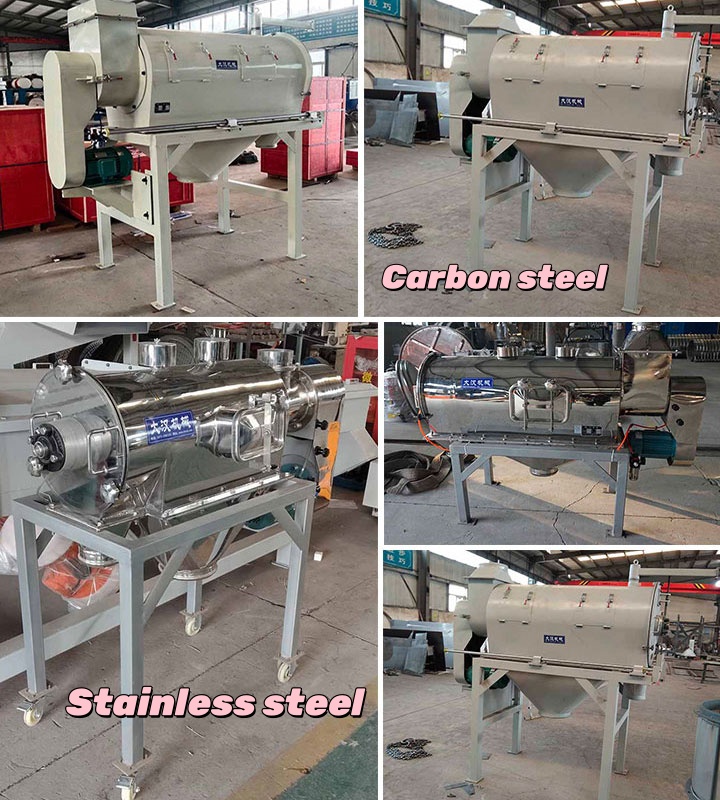
The Industrial Rotary Airflow Screening Machine, by virtue of its distinct airflow propulsion classification principle, fills the technical gap left by traditional gravity-type vibrating screens in handling micron-level ultra-fine powder, light powder, and viscous powder. Through the cantilever shaft quick-change mesh design, air-purged bearing leakage prevention process, and fully enclosed negative pressure operating structure, this machinery resolves the industrial challenge of dust emission while ensuring that the production line operates continuously without clogging. When choosing a model, enterprises should integrate the physical attributes of the material, desired hourly throughput, and workshop explosion-proof safety requirements to establish detailed technical parameter alignment, thereby obtaining a well-matched powder classification solution.


Address:China,Yanjin county forest park gate to the west 1000 meters north road.


 Online Chat
 Email
Email