


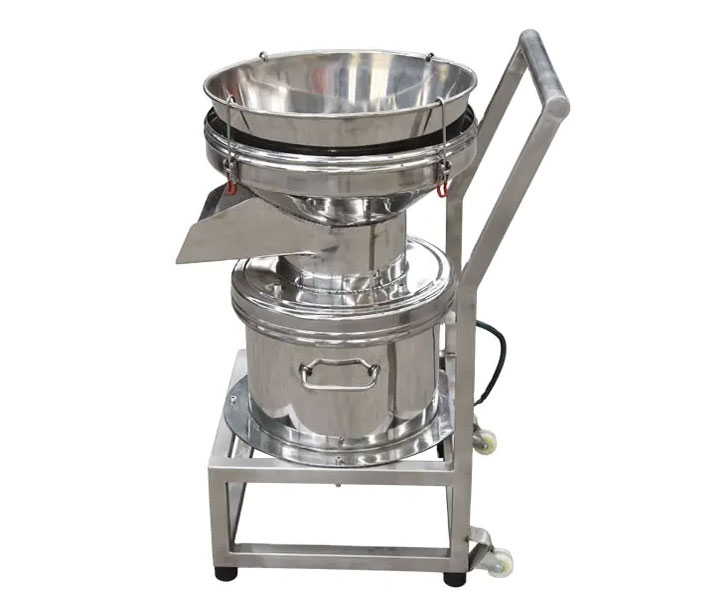
High Frequency Sieve for Soybean Residue is primarily designed for grading, desliming, and solid-liquid separation of wet, viscous soybean residue with high fiber content. Utilizing a high-frequency, low-amplitude vibration mode, it is well-suited to the characteristics of soybean residue, such as high moisture content, easy adhesion, and mixed coarse and fine particles. It effectively handles soybean residue produced after pressing and extraction, enabling stratified processing of coarse soybean residue, fine soybean residue, and mixed slurry residue. Adaptable to both dry and wet operating conditions, it solves the industry pain points of traditional screening equipment in processing soybean residue, such as material accumulation, screen clogging, and uneven stratification. The product supports a roller design, allowing for easy relocation for use in different scenarios.
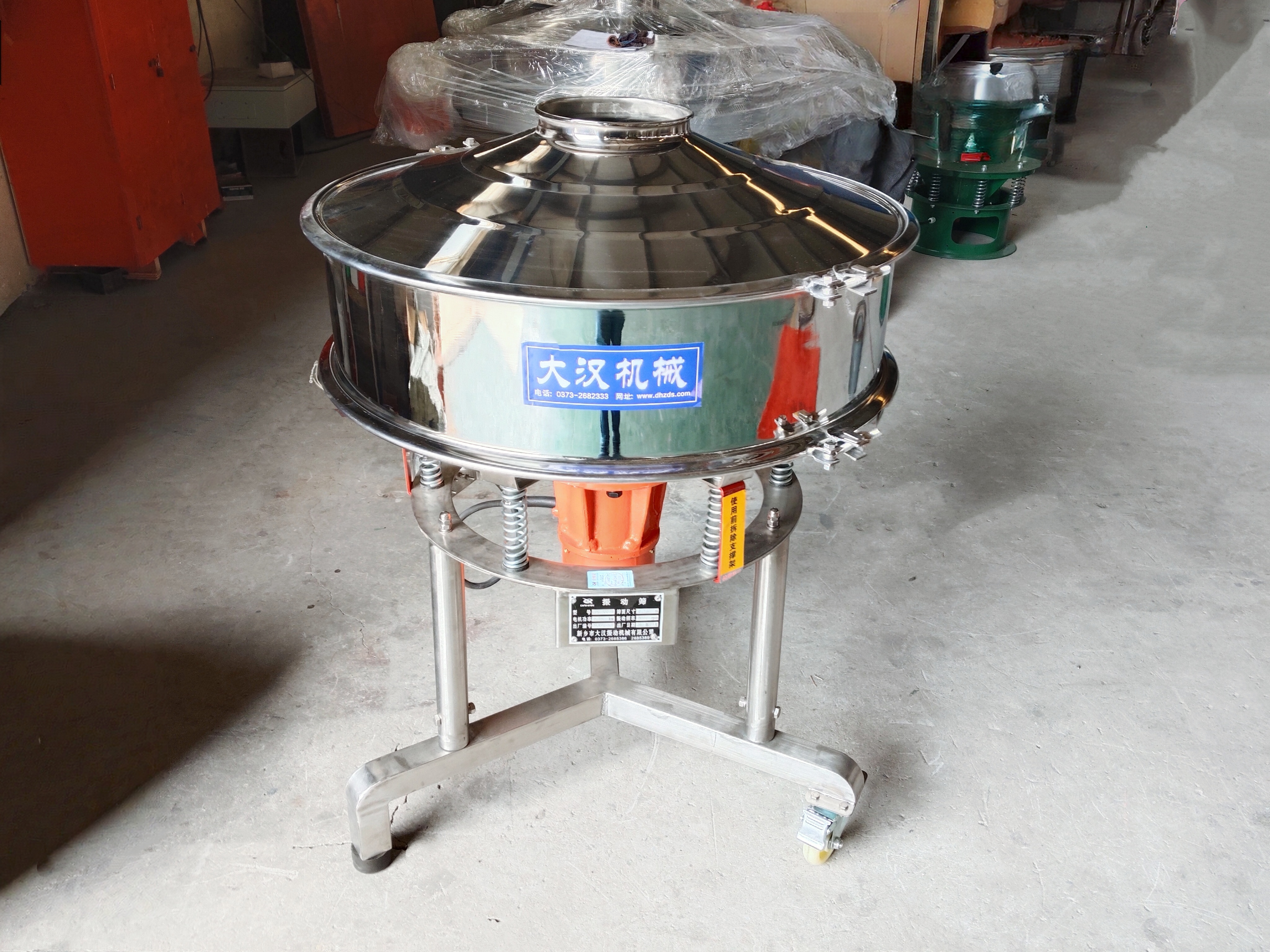
The High Frequency Sieve for Soybean Residue is highly adaptable to the special material properties of soybean residue, easily handling high-moisture, high-fiber, and easily agglomerated soybean residue, preventing material clumping. Vibration parameters are precisely matched to the screening requirements of soybean residue, allowing for controllable material residence time on the screen surface and uniform stratification of coarse and fine materials, significantly reducing material waste. The uniform vibration amplitude of the machine body minimizes screen clogging and material jamming during operation, making it suitable for long-term continuous production line operation. The overall equipment is easy to operate and maintain; screen disassembly and assembly are simple, daily cleaning and maintenance require minimal manpower, and component wear is low, making it suitable for the routine operation needs of small, medium, and large soybean product production lines.
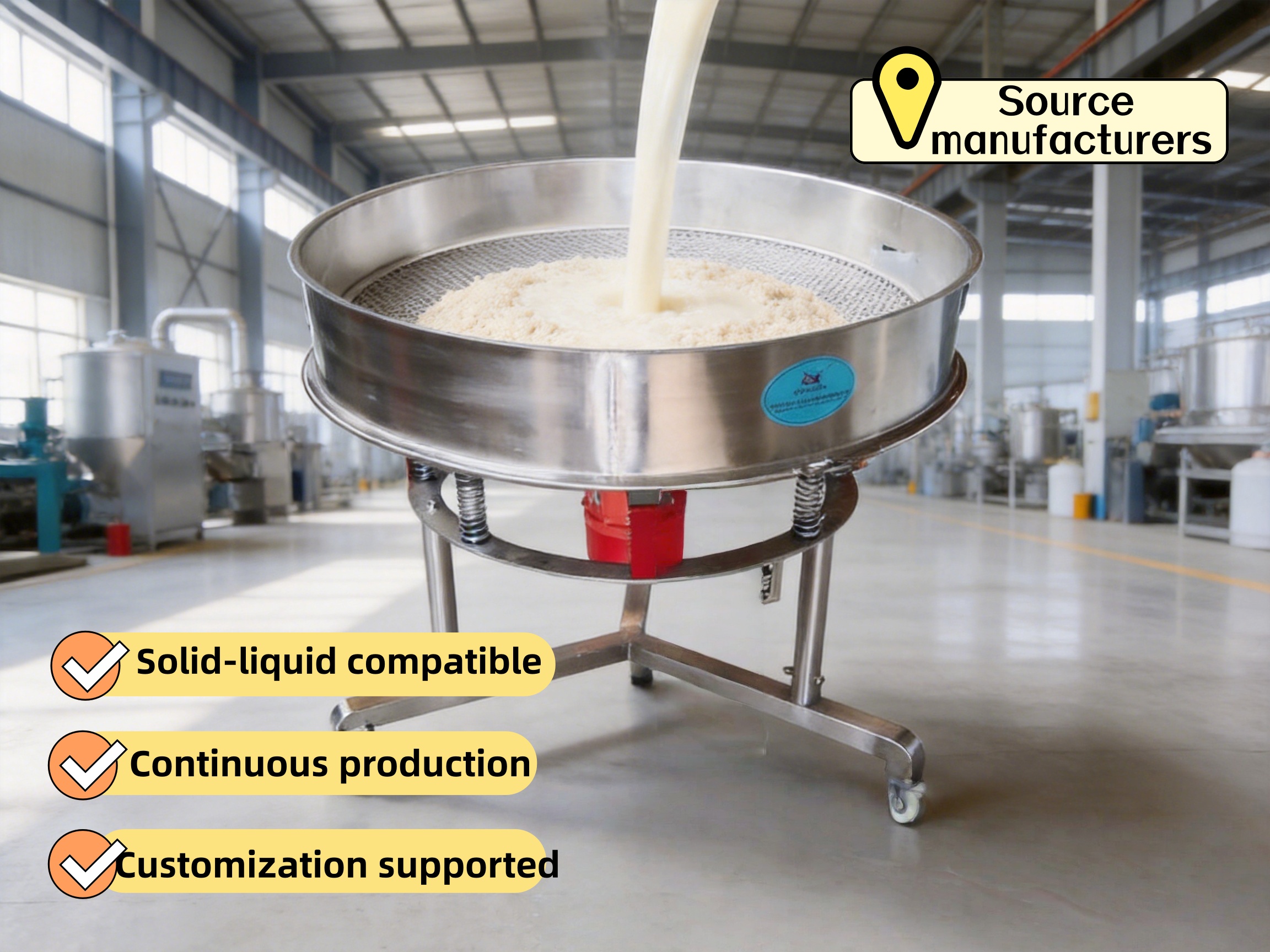
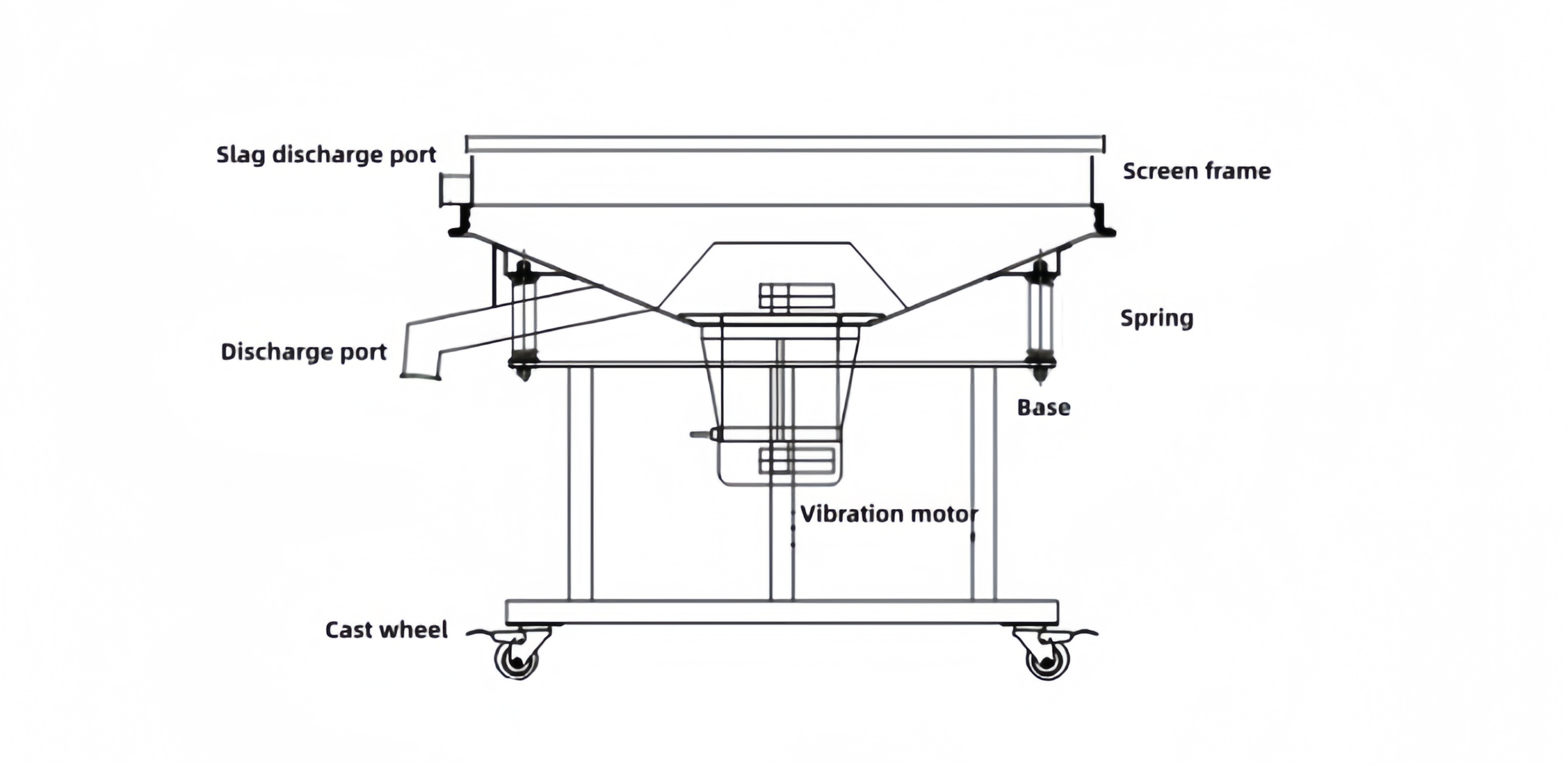
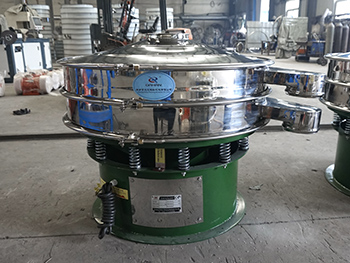
The High Frequency Sieve for Soybean Residue features an integrated frame structure, ensuring a stable and robust machine. It primarily consists of a vibrating motor, multi-layer screen frames, custom-designed screen mesh, a uniform feeding mechanism, a discharge port, and shock-absorbing components. The frame is welded from thickened steel, providing strong load-bearing capacity and adaptability for long-term continuous operation. The screen body employs a layered design, allowing for single-layer or multi-layer screen mesh configurations to meet production needs. The screen mesh is made of wear-resistant and non-slip material, perfectly suited for soybean residue screening. The equipment is equipped with a dedicated vibrating motor as its power source, coupled with shock-absorbing components to minimize the transmission of vibrations generated during operation.
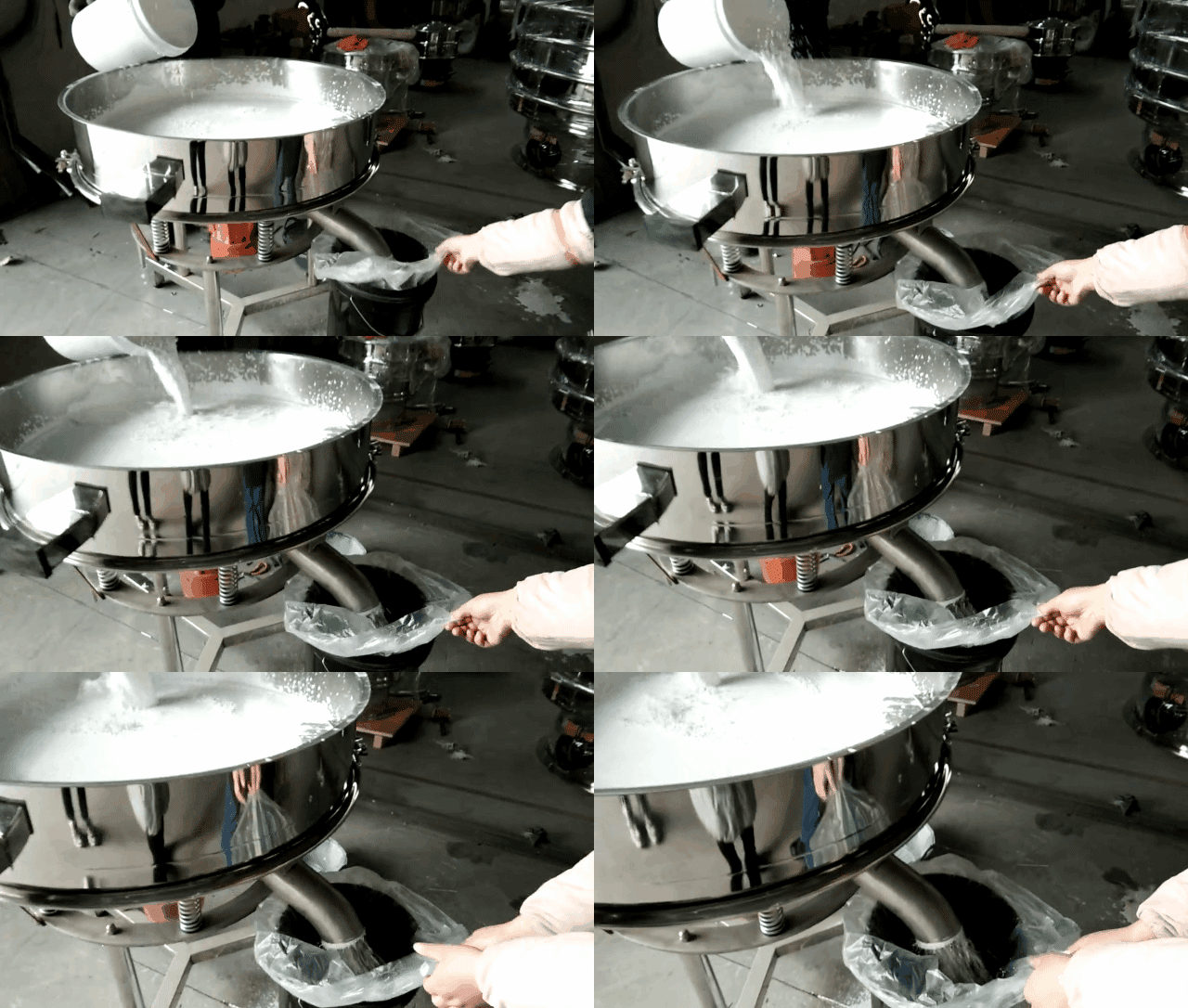
The High Frequency Sieve for Soybean Residue operates using a high-frequency, low-amplitude vibration mode. The vibrating motor continuously outputs high-frequency vibration power, driving the entire screen body to perform regular, small-amplitude vibrations. After the soy milk falls evenly onto the screen surface through the inlet, it undergoes continuous vibration, resulting in floating and stratified movement. Soybean residue particles of varying sizes exhibit differentiated movement trajectories. Smaller, finer particles pass through the screen, while larger, coarser particles move continuously along the screen surface and are eventually discharged from their corresponding outlets.
| Model NO. |
Screen Dia. [mm] |
Screen Decks |
Vibration Frequency [r/min] |
Power [Kw] |
Capacity [Liter/hour] |
| DHG-600 | 560 | 1 | 3000 | 0.25 | 200 |
| DHG-800 | 760 | 0.25 | 500 | ||
| DHG-1000 | 950 | 0.4 | 800 | ||
| DHG-1200 | 1150 | 0.4 | 1200 |
Soybean residue has a unique structure, containing a large amount of plant fiber, with a high moisture content and high viscosity. Ordinary screening equipment is difficult to adapt to its operating characteristics. Conventional screening machines have a low vibration frequency, which cannot break up the sticky state of the soybean residue, easily leading to problems such as screen clogging, material accumulation, and incomplete screening, affecting the overall progress of the production line. The high-frequency sieve for soybean residue is specifically designed to match the characteristics of soybean residue; its vibration frequency can break up the sticky material, allowing it to flow in stratified layers. Meanwhile, the screen aperture and vibration amplitude of the equipment are customized for soybean residue sorting needs, enabling stable separation of coarse and fine residues and residue dehydration. It is suitable for continuous production in soybean product processing, overcoming the shortcomings of ordinary screening equipment.
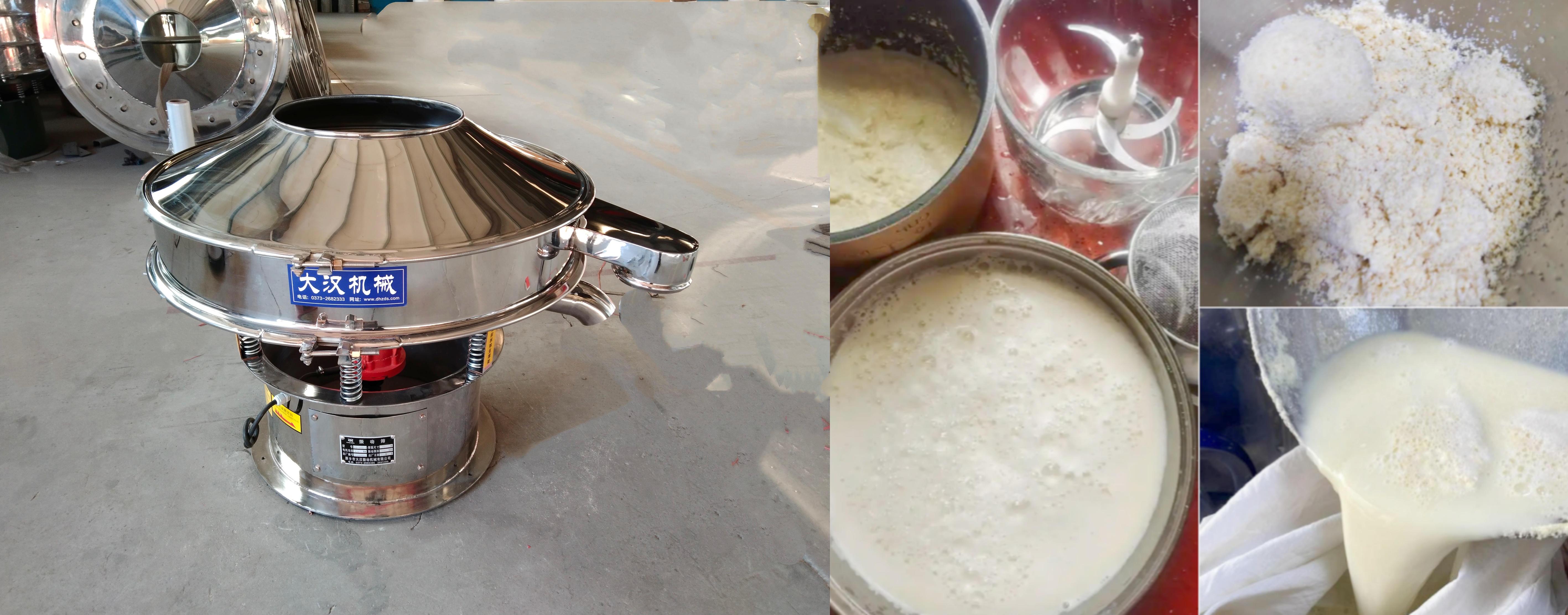
When selecting a suitable High Frequency Sieve for Soybean Residue, we need to consider the daily material processing volume of the production line and match the corresponding equipment specifications to ensure a good fit between workload and capacity. Secondly, we need to determine the screen mesh size based on the screening objectives, subdividing different working conditions such as residue grading, solid-liquid separation, and fine sorting. Low-mesh screens can be used for coarse residue screening, while high-mesh screens are used for fine residue purification. Simultaneously, we need to adjust the equipment model based on the material's moisture content and fiber content; for high-moisture, viscous soybean residue, models with wider screen surfaces and enhanced vibration configurations are preferred. Finally, we need to consider the workshop installation space and production line connection method to select a fixed or mobile model.
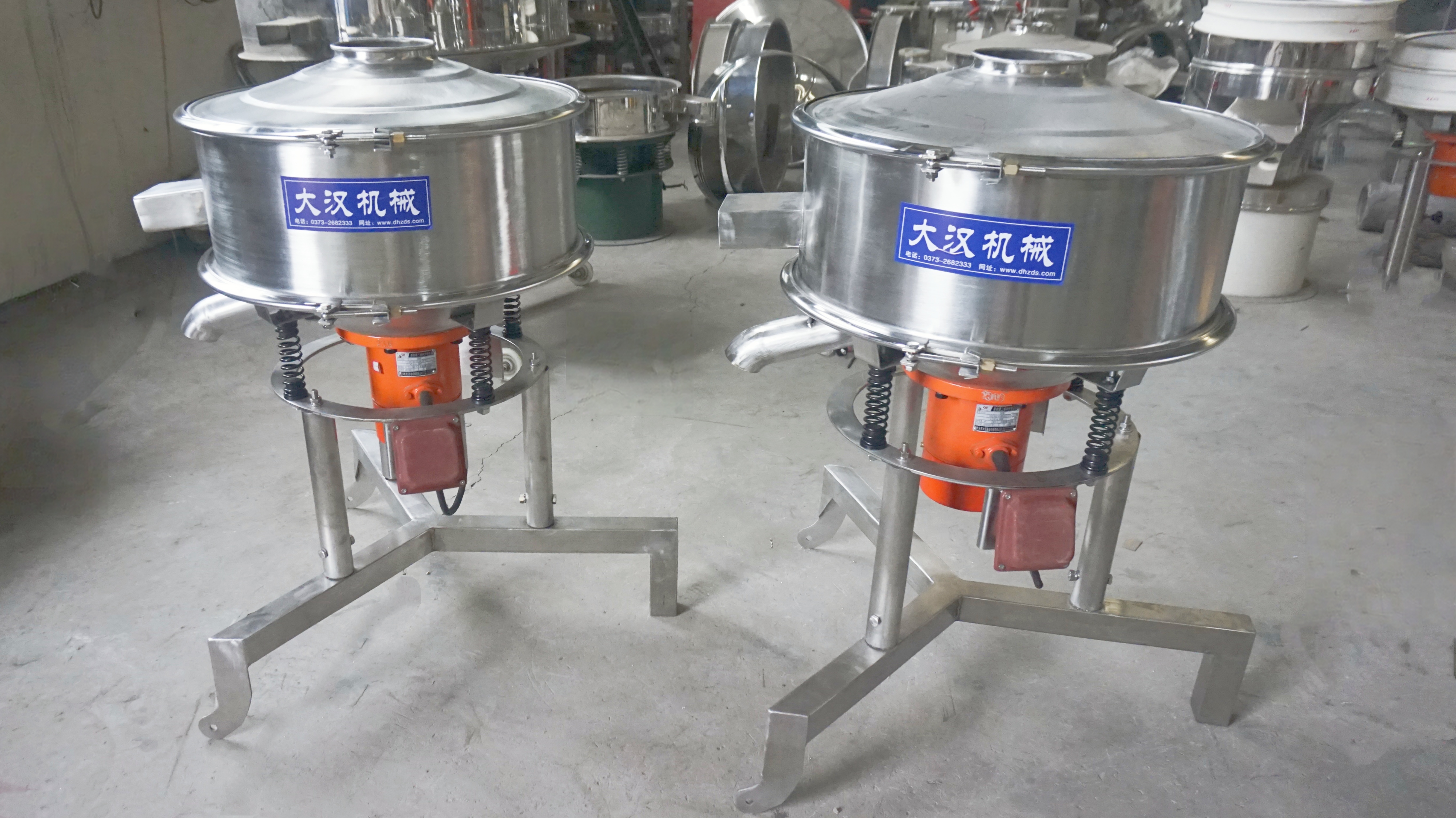
A large grain and oil processing enterprise, mainly engaged in soybean oil extraction and deep processing of soybean residue, purchased our GPS1000 High Frequency Sieve for Soybean Residue to meet the soybean residue processing needs of its production line. The equipment is equipped with an 80-mesh screen and can process 8 tons of wet soybean residue per hour, quickly separating coarse fiber residue from fine soybean residue powder. The equipment is suitable for 24-hour continuous operation in the plant, with stable operation and no frequent screen clogging or downtime. It effectively standardizes the specifications of the soybean residue material, providing qualified raw materials for subsequent soybean residue feed processing and protein extraction processes, meeting the needs of large-scale production.
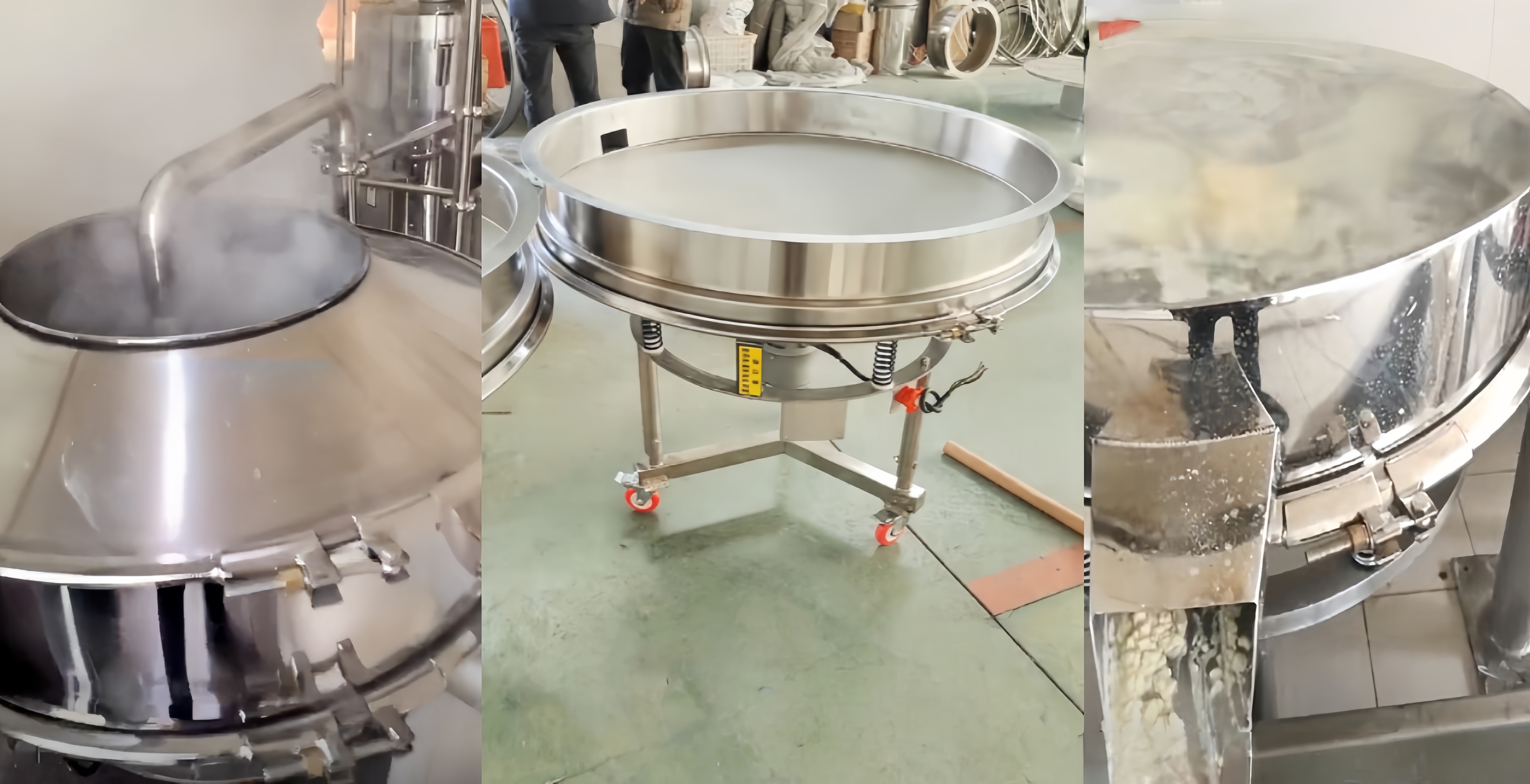
The High Frequency Sieve for Soybean Residue is a screening equipment suitable for soybean residue processing in the grain, oil, and soybean product industries. With its proprietary structural design and operating principle tailored to material characteristics, it specifically solves common problems such as adhesion, screen clogging, and uneven stratification during soybean residue screening.
How much moisture can a high-frequency screen reduce in soybean residue?
High-frequency screening processes fresh, wet soybean residue. After screening and dehydration, the moisture content of the material can be controlled within the range of 55%–65%. The moisture content of the original pressed soybean residue is relatively high; natural dehydration is achieved through screen vibration, requiring no additional auxiliary equipment.
What material should be chosen for a high-frequency screen for soybean residue?
Soybean residue contains water and protein, making it prone to adhesion and slightly corrosive. Ordinary carbon steel is not recommended. Stainless steel for the entire machine and screen accessories is preferred, as it is rust-resistant, resistant to material corrosion, less prone to residue buildup, and easier to clean.
How to solve the foam interference problem in soybean processing?
Foam is generated during the screening process in soybean processing. A buffer and equalization device can be added at the front end of the feed to slow down the material flow rate and reduce surface turbulence and foaming. Simultaneously, adjusting the equipment tilt angle and vibration frequency ensures smooth slurry passage.
What mesh size screen is generally suitable?
For conventional screening of soybean residue, a mesh size of 80–120 is preferred. 80 mesh is suitable for separating coarse residue and intercepting large fibers, and is suitable for preliminary dewatering and grading; 100–120 mesh is suitable for screening fine soybean residue and slurry purification, and for intercepting fine fiber impurities.


Address:China,Yanjin county forest park gate to the west 1000 meters north road.


 Online Chat
 Email
Email