


Industrial sieving machine price from $800 to $8000, with variations depending on type and material. These machines primarily use a vibrating motor or exciter as their power source, driving the screen surface to move along a specific trajectory to remove impurities and classify particles, powders, and slurries. We offer a variety of industrial sieving machines, including rotary vibrating screens, linear screens, gyratory screens, drum screens, direct discharge screens, and cement screens. Price differences also stem from material selection; carbon steel is economical and practical, suitable for general applications; stainless steel, due to its corrosion resistance and ease of cleaning, is 30%-50% more expensive than carbon steel models and is suitable for screening special materials.
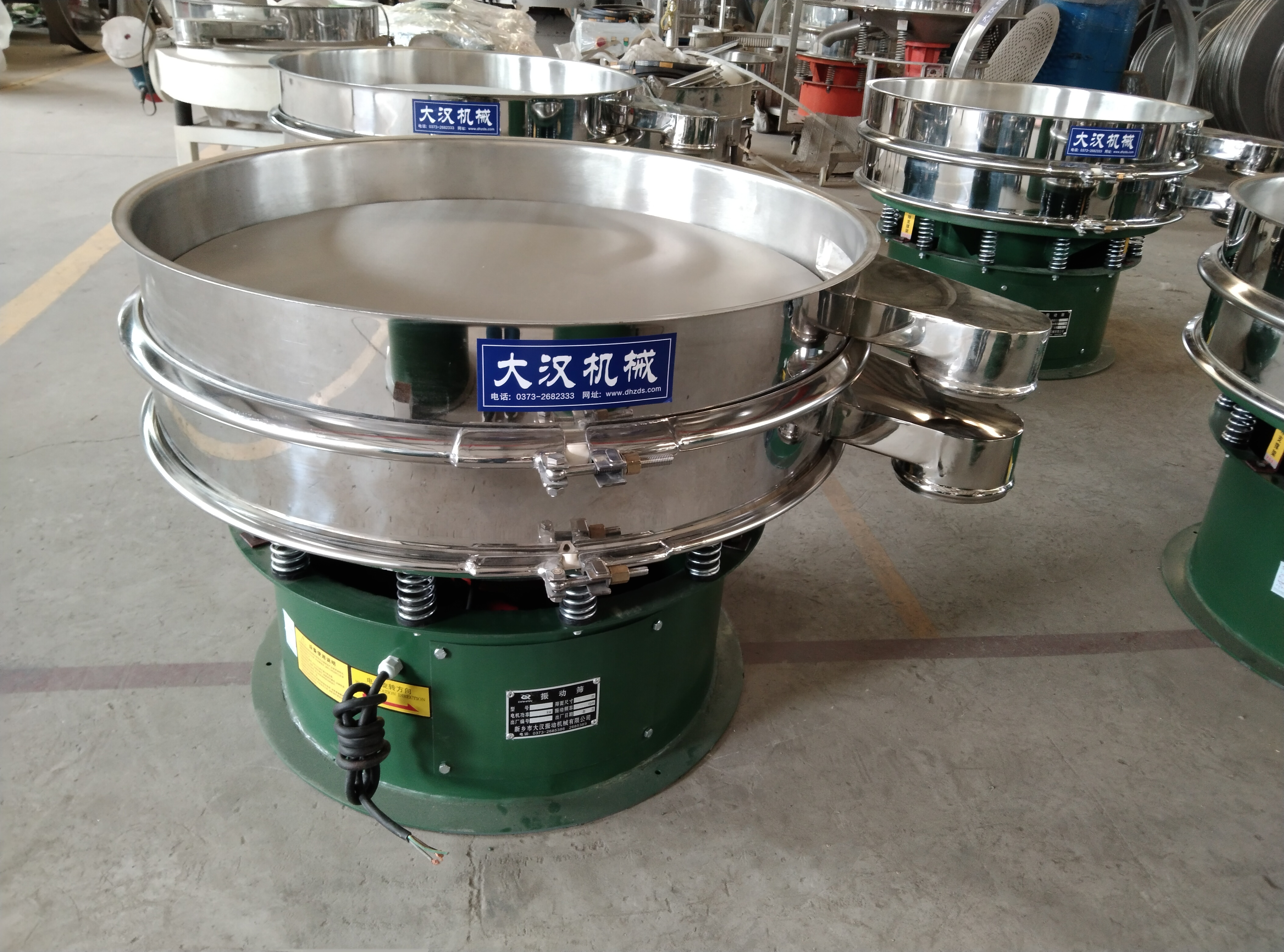
The rotary vibrating screens, linear screens, gyratory screens, drum screens, direct discharge screens, and cement screens we offer vary significantly in price due to differences in their manufacturing processes and sieving machine types. Below is the price range for industrial sieving machines from DaHan Machinery.
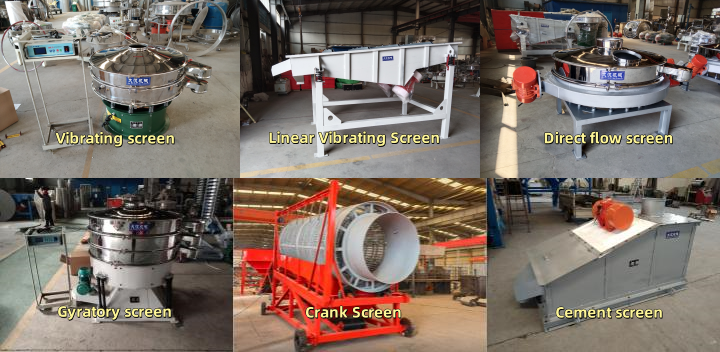
Direct-flow screen: Priced between $760 and $3,090, this single-motor driven direct-flow screen offers high throughput and is less prone to clogging. Ideal for rapid impurity removal from powdery materials such as flour and starch, it's a top choice for small to medium-sized food processing plants.
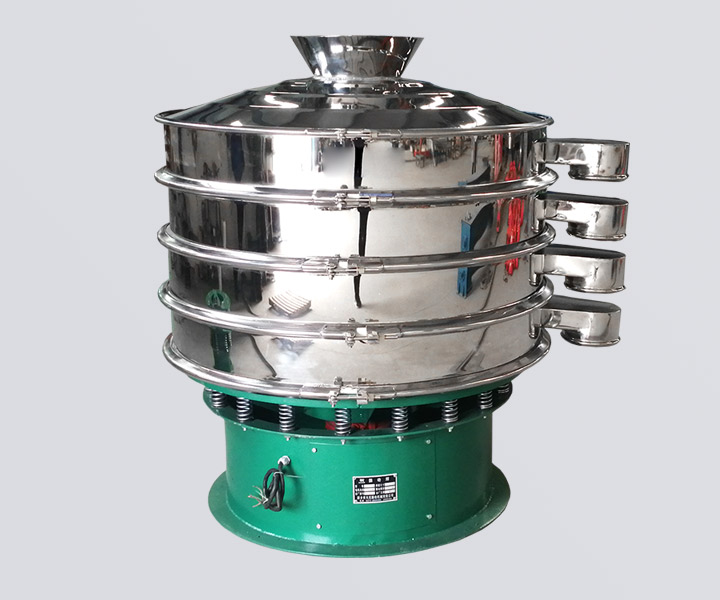
Vibrating screen: Priced between $800 and $4,500, this screen is suitable for fine grading needs. Its adjustable phase angle design alters the material trajectory, supporting 2-6 gradations with a precision up to 800 mesh. An ultrasonic system can be added for sieving various ultrafine powders.
Gyratory screen:Priced between $860 and $3,680, this screen features a simulated manual gyratory trajectory. The sieving process is gentle, suitable for grading fragile materials. An ultrasonic system can also be added to handle various fragile and difficult-to-screen materials during the gentle sieving process.
Cement screen:Priced between $900 and $5,000, this screen is specifically designed for the cement powder industry. Featuring wear-resistant screen mesh and reinforced screen frames, this machine can withstand the impact of heavy materials such as cement and sand, making it a fundamental screening equipment for construction sites and cement plants.
Crank Screen: Priced from $1,000 to $6,580, this screen focuses on handling large granular materials. Its cylindrical screen structure is suitable for classifying lumpy materials such as ores and coal gangue, with a processing capacity of up to 20 t/h. It is widely used in mines and mineral processing plants.
Linear Vibrating Screen: Priced from $800 to $8,000, this screen is versatile and suitable for all scenarios. Materials move in a jumping, linear motion on the screen surface, resulting in low energy consumption, low noise, and a long screen life. It is suitable for various materials such as abrasives, ceramic raw materials, and compound fertilizers. High-configuration models for large production lines can install up to 5 layers of screens at once.
The price of an Industrial Sieve is not determined by a single factor. Equipment type, materials, performance, specifications, brand, after-sales service, and market supply and demand all significantly influence its price.
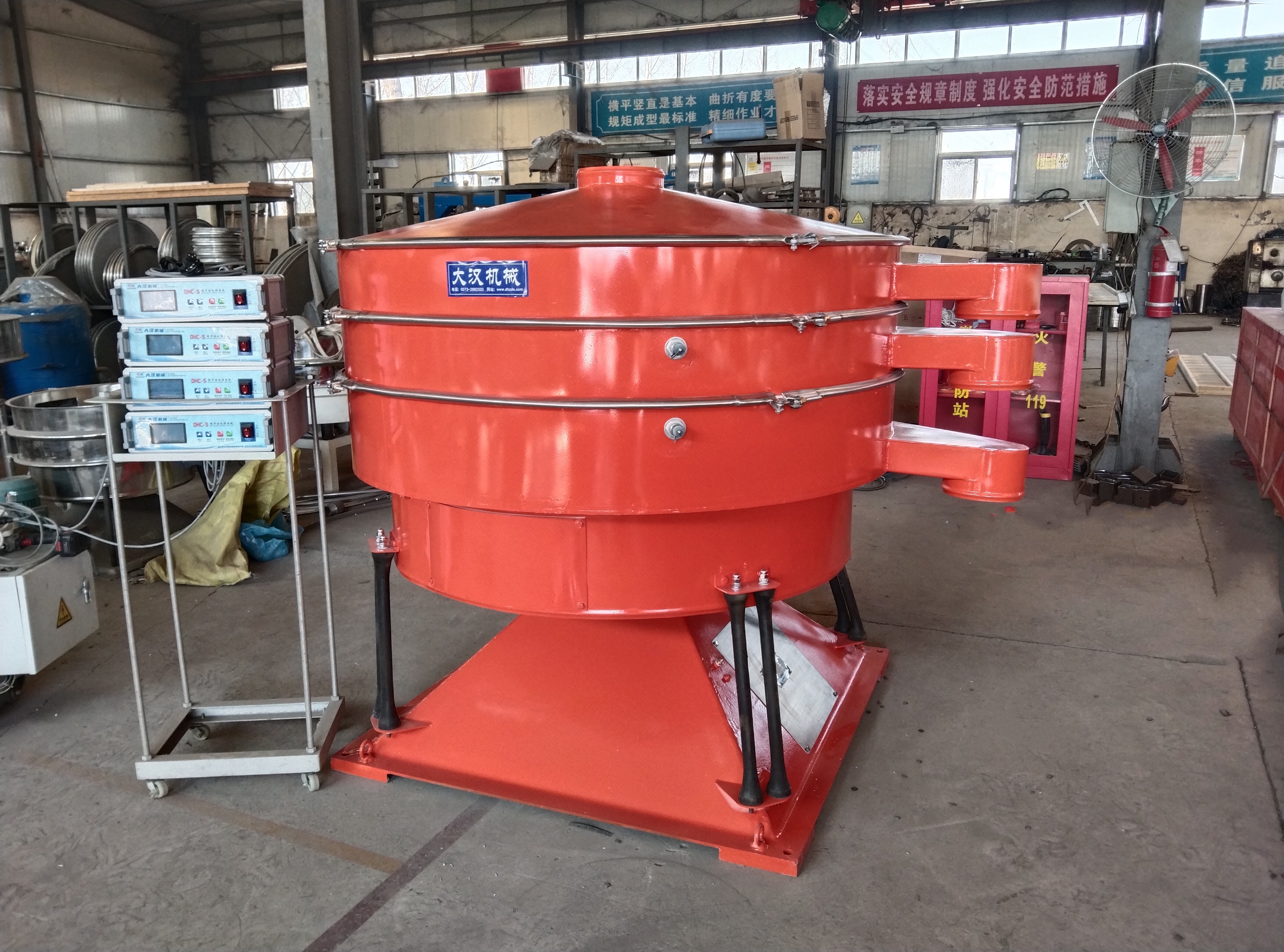
Equipment Type and Specifications: Mobile screening machines and large drum screens are significantly more expensive than small benchtop machines. The larger the processing capacity and the more screening layers, the higher the price.
Materials and Accessories: 304/316L stainless steel is 30%-50% more expensive than carbon steel. Wear-resistant screens made of polyurethane, manganese steel, etc., will increase costs.
Customization and Functions: Customization requirements such as non-standard sizes, intelligent control systems, ultrasonic devices, and roller designs will increase the price.
To obtain an accurate quote for industrial sieving machines, we need to first clarify the core requirements and provide detailed parameters. First, determine the characteristics of the material to be screened, such as particle size, moisture content, and corrosiveness, which determines the equipment material and screen type. Second, clarify the processing capacity, screening accuracy, and number of grading layers, which is key to selecting models such as linear screens and vibrating screens. Also, specify the installation scenario (e.g., space dimensions, whether relocation is required) and special requirements (e.g., enclosed dust collection, frequency conversion control). After compiling this information and submitting it to us, we will recommend suitable models and provide a detailed quotation based on your material conditions and on-site requirements. If your site requires special customization, we can also arrange for a designer to create a detailed plan and drawings, along with a discounted quotation.
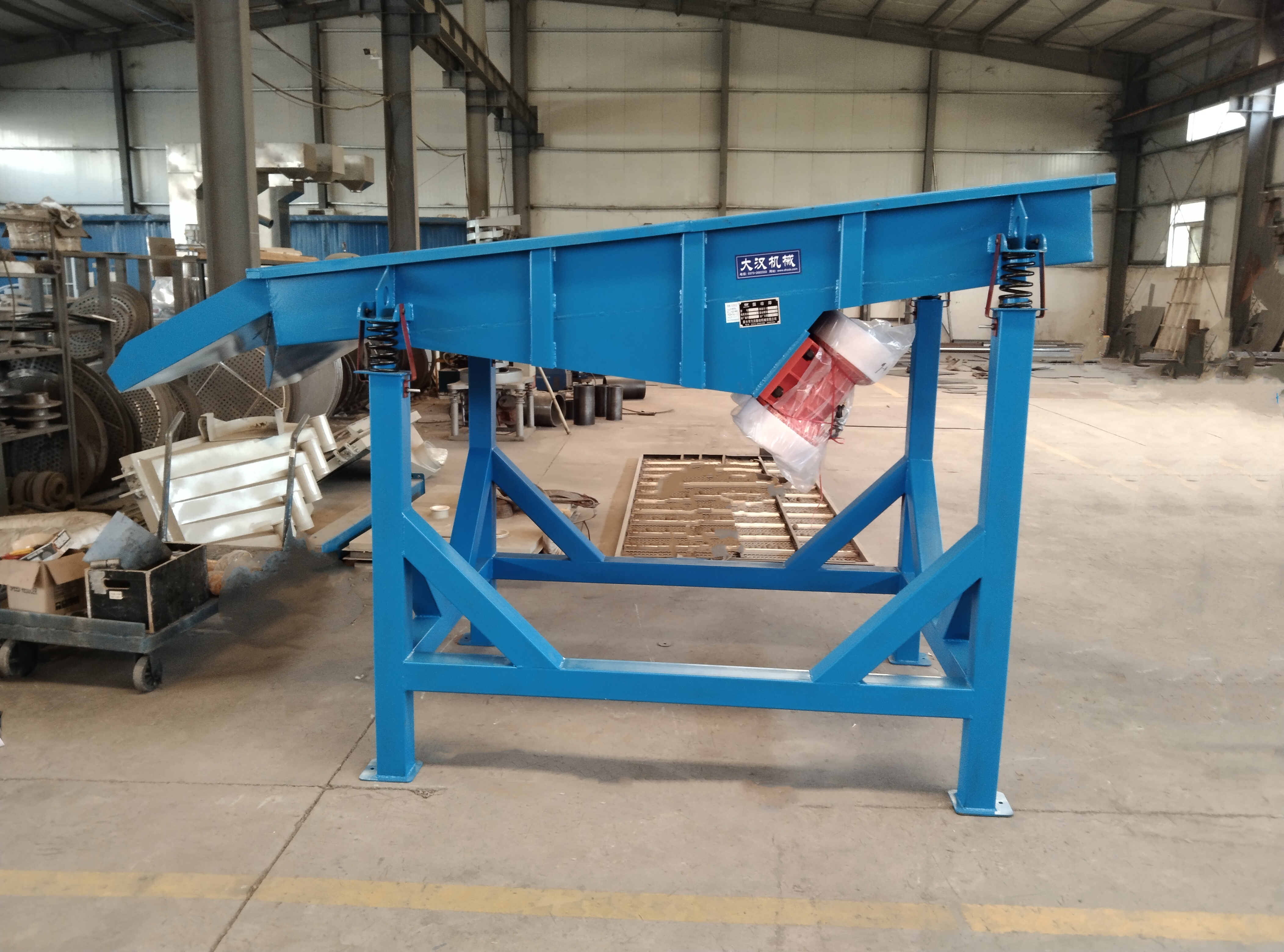
The selection of industrial sieving machines should revolve around three core aspects: material characteristics, production needs, and scenario suitability. Only through a systematic evaluation of key factors can you select high-speed, stable, and cost-effective equipment, avoiding low production efficiency or rapid equipment wear due to incorrect selection.
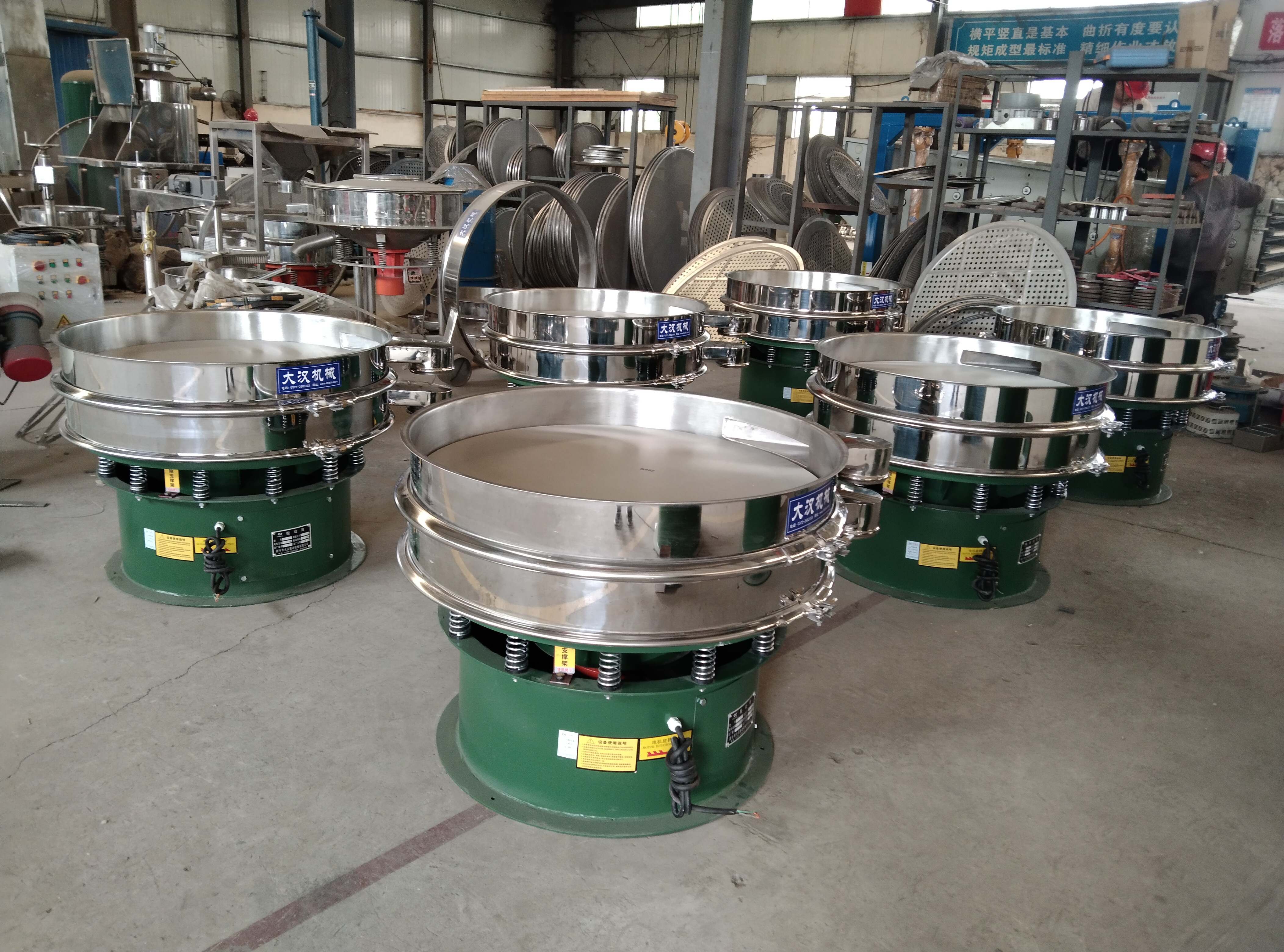
Clarify Material Characteristics: Four key aspects need attention: material form (e.g., choose a vibrating screen for powders, a drum screen for lumpy materials); particle size range and precision requirements (high-precision grading (above 200 mesh) prioritizes ultrasonic vibrating screens, while linear screens can be chosen for coarse grading); moisture and viscosity (for viscous materials with a water content exceeding 15%, a gyratory screen or a model with an anti-sticking device is recommended); corrosiveness and temperature (for chemical, food, and other industries, choose 304/316L stainless steel).
Matching Production Needs: Select the appropriate machine model based on throughput, production rhythm, and functional requirements. For throughput of 1-5t, choose a small vibrating screen; for 5-20t, choose a linear screen; and for over 20t, choose a drum screen or a large gyratory screen. Vibrating screens are suitable for fine screening, linear screens for general large-capacity screening, gyratory screens for fragile materials, and drum screens for coarse particle grading.
Focusing on Core Parameters: Select screen mesh specifications according to the target particle size. For example, a 100-mesh screen can separate materials with a particle size greater than 0.15mm. Confirm the wear resistance of the screen material. For vibration frequency and amplitude, choose high frequency and low amplitude for fine powders, and low frequency and high amplitude for coarse particles. Adjustable models are suitable for multiple materials. Match the motor power to the throughput to avoid overload due to insufficient power or energy waste due to excessive power.
Optimal Materials and Accessories: Choose carbon steel for normal operating conditions, 304 stainless steel for corrosion resistance, and 316L stainless steel for strong corrosion. For screen materials, woven wire mesh is suitable for dry materials, polyurethane mesh is suitable for wear-resistant requirements, and nylon mesh is suitable for food-grade applications. We also focus on the ease of replacing vulnerable parts, such as quick-release screen structures to shorten downtime for maintenance.
DaHan Machinery's Industrial sieving machine price from $760 to $8,000, with transparent pricing and no middlemen markups. We have a professional R&D team, offering a complete range of models and supporting rapid customization. We can provide design solutions and drawings tailored to your production needs and site conditions. Product quality is strictly controlled, with standardized processes from production to acceptance. Our machines are suitable for various industries including food, chemical, and mining. We also provide comprehensive services, including free screening solution design, trial runs, and global export support.
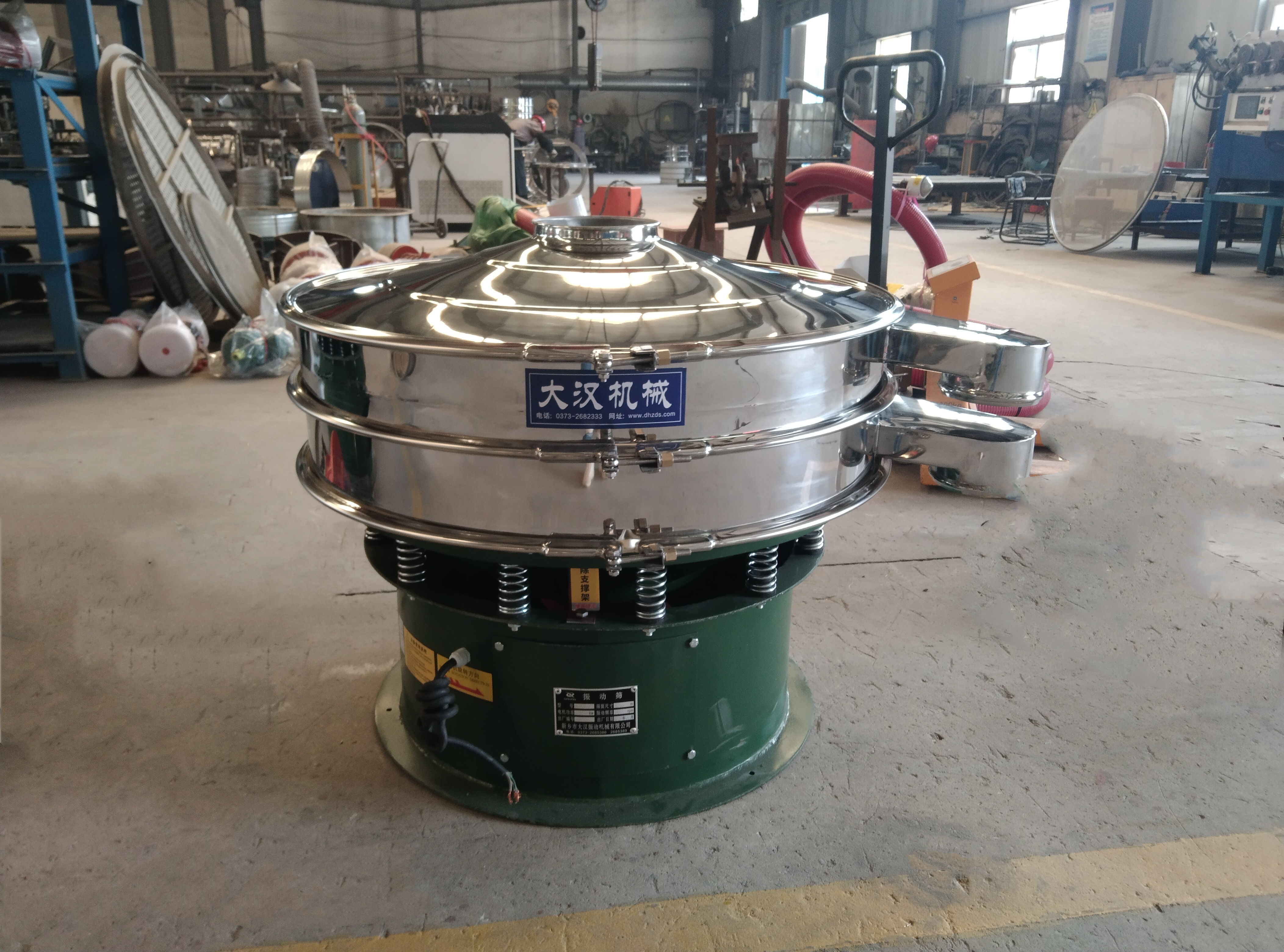
Industrial sieving machine price differences stem from machine models, materials, and customized configurations. Direct sales from manufacturers avoid middlemen markups and provide trial screening, customization, and after-sales support. When choosing a machine, consider material characteristics, production needs, and manufacturer services to secure high-performance, cost-effective equipment that ensures long-term stable operation and reliable support for high-speed screening in industrial production.


Address:China,Yanjin county forest park gate to the west 1000 meters north road.


 Online Chat
 Email
Email