Your location is: Home > News Center > Brass vs. Stainless Steel Soil Sieves: Which is Best for Your Lab?
Brass vs. Stainless Steel Soil Sieves: Which is Best for Your Lab?
Why Material Choice Dictates Soil Analysis Accuracy
In geotechnical and agronomic testing, particle size distribution accuracy relies directly on sieve material integrity. Mechanical shaking, abrasive aggregates, and moisture constantly stress test equipment. Choosing between brass and stainless steel test sieves controls frame deflection, long-term calibration stability, and cross-contamination prevention during repetitive soil separation.
Understanding Brass Test Sieves: Features, Pros, and Cons
Brass has traditionally been a primary material for standard soil test sieves due to its unique physical and mechanical properties.
Key Characteristics of Brass Frames and Mesh
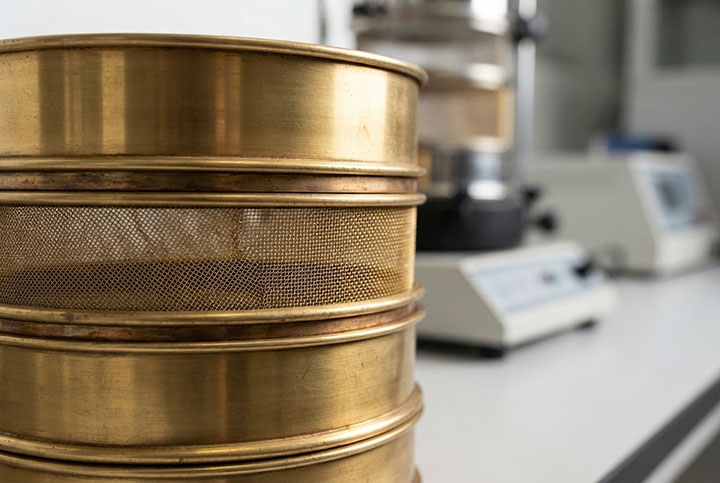
Brass frames offer moderate tensile strength and a natural low-friction coefficient, making them smooth to stack and secure within standard mechanical sieve shakers.
Advantages: Cost-Effectiveness and Traditional Familiarity: Brass sieves feature lower initial procurement costs and a familiar tactile feel, making them widely adopted in educational labs, basic soil mechanics training, and routine dry-sifting workflows.
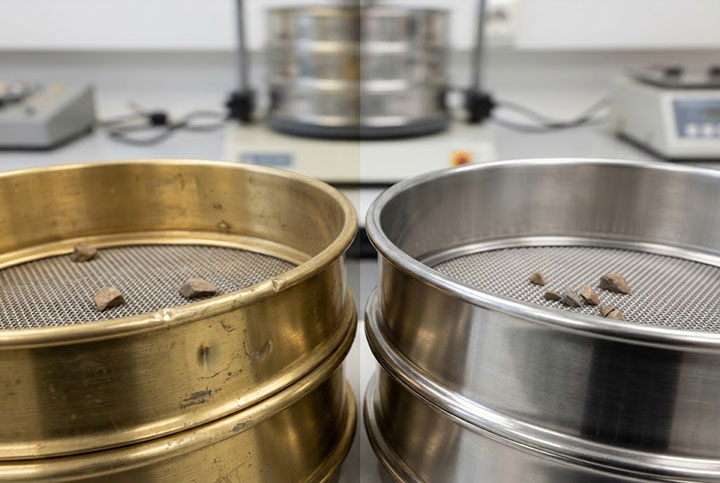
Disadvantages: Wear, Corrosion, and Maintenance Challenges: As a softer alloy, brass is prone to physical denting, faster mesh abrasion under hard aggregates, and surface oxidation when exposed to acidic soils or high-moisture samples.
Stainless Steel Soil Sieves: Features, Pros, and Cons
Stainless steel has become the industry standard for modern geotechnical laboratories requiring high precision and heavy-duty performance.
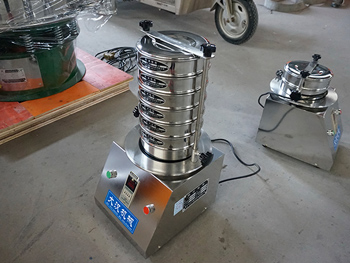
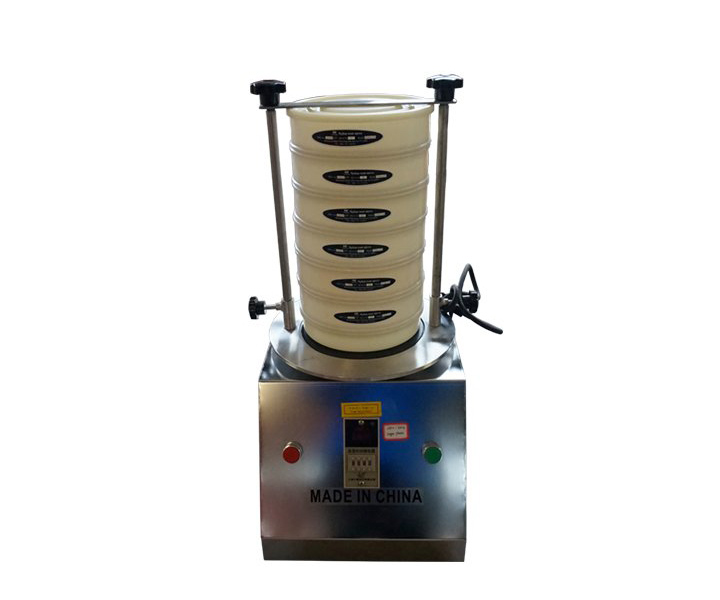
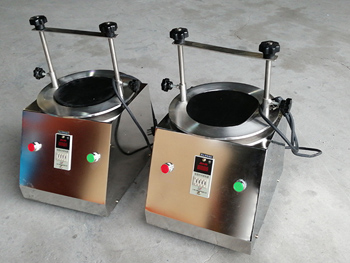
See how Dahan Machinery's stainless steel test sieves deliver precision and durability under intensive mechanical testing.
Why Stainless Steel is the Gold Standard for Modern Labs
Utilizing high-grade corrosion-resistant alloys, stainless steel sieves maintain strict aperture tolerances even under intense, long-term testing cycles.
Durability, Corrosion Resistance, and Hygiene: Stainless steel resists chemical corrosion from aggressive soil samples, prevents rust during wet-washing procedures, withstands heavy mechanical impact, and simplifies sterilization and cleaning.
Higher Initial Investment Cost: The primary trade-off is a higher upfront equipment cost compared to brass alternatives, though this is offset by a significantly longer operational lifespan.
Brass vs. Stainless Steel Soil Sieves
Performance Factor
Brass Soil Sieves
Stainless Steel Soil Sieves
Durability & Wear
Softer alloy; prone to quicker frame denting and mesh wear.
High tensile strength; highly resistant to physical deformation.
Corrosion Resistance
Susceptible to oxidation and chemical wear from moist soils.
Superior resistance to rust, moisture, and chemical exposure.
Testing Method
Best suited for dry‑sifting and standard educational use.
Ideal for both dry‑sifting and aggressive wet‑washing methods.
Initial Investment
Cost‑effective for tight budgets or low‑volume labs.
Higher upfront cost, justified by long‑term durability.
Maintenance
Requires careful cleaning to prevent surface tarnishing.
Easy to clean, sterilize, and maintain over extended lifespans.
Aligning Sieve Materials with ASTM E11 and ISO 3310 Compliance
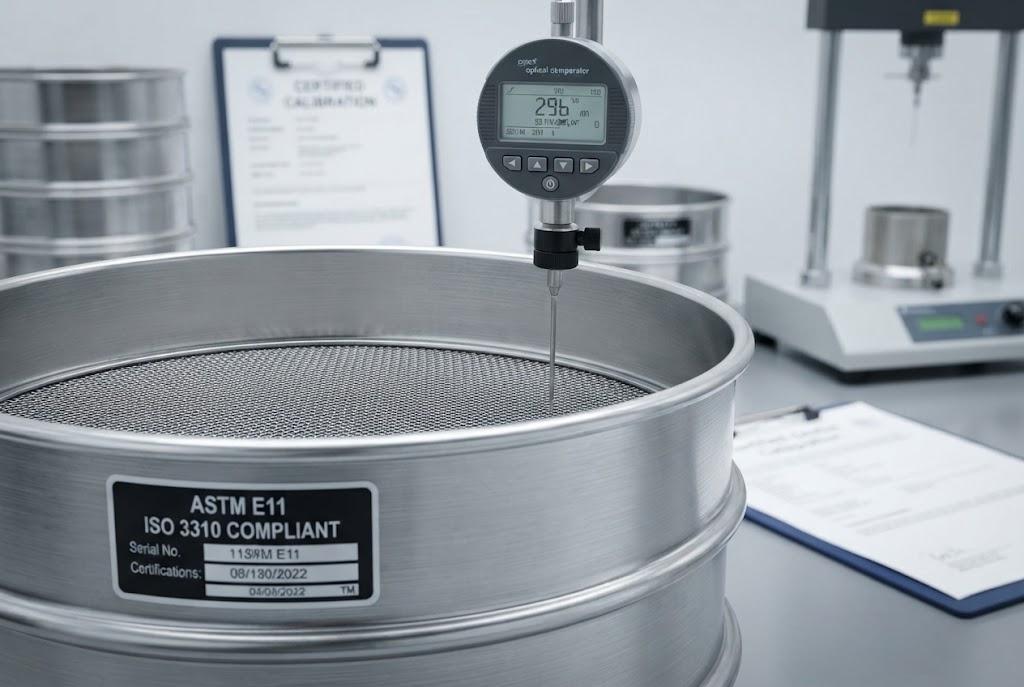
Regulatory compliance is non-negotiable for certified geotechnical testing facilities. Whether a sieve is constructed from brass or stainless steel, its wire cloth and frame dimensions must conform strictly to recognized standards such as ASTM E11 or ISO 3310.
While both metal types can meet initial calibration standards, stainless steel maintains its aperture tolerances significantly longer under heavy usage and abrasive wear, ensuring audit readiness and reducing the frequency of re-calibration or replacement.
Which Soil Sieve Should Your Laboratory Choose? (Decision Framework)
Selecting the optimal soil test sieve depends entirely on your operational workflow, sample characteristics, and budget priorities:
When to Choose Brass Sieves
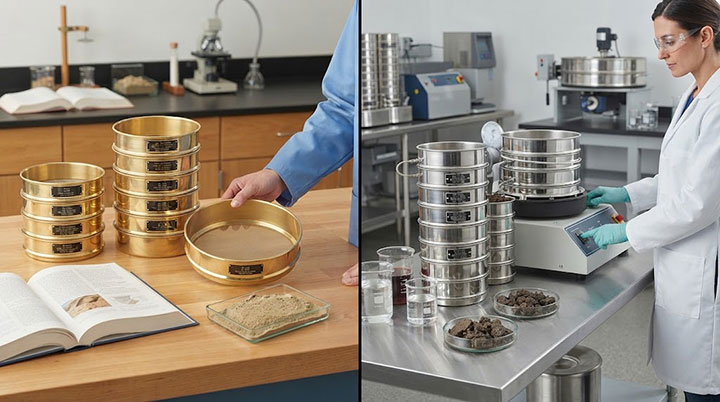
Brass sieves are well-suited for educational institutions, basic soil mechanics training, and laboratories operating strictly dry-sifting workflows with non-aggressive aggregates and limited testing frequency.
When to Choose Stainless Steel Sieves
Stainless steel is recommended for commercial testing labs, high-throughput facilities, and projects involving high-moisture samples, chemical-exposure, or aggressive wet-washing procedures where long-term durability and resistance to deformation are critical.
Frequently Asked Questions (FAQ) About Soil Sieves
Can stainless steel soil sieves be used with wet sieving methods?
Yes. Stainless steel features superior resistance to moisture, rust, and chemical corrosion, making it the ideal choice for wet-washing procedures and aggregate separation involving water.
Do brass soil sieves deform faster than stainless steel?
Yes. Because brass is a softer alloy, its frame and fine mesh are more susceptible to physical denting and minor calibration distortion under intense mechanical shaking or hard mineral impact.
How does material choice affect laboratory calibration cycles?
Stainless steel sieves maintain their original aperture tolerances much longer due to higher tensile strength, reducing the frequency of re-calibration and sieve replacement in high-volume testing facilities.
Does Dahan Machinery support custom sieve specifications for labs?
Yes. Dahan Machinery manufactures precision laboratory test sieves in various frame diameters, mesh sizes, and metal configurations to meet specific international testing standards and bulk wholesale requirements.
Making the Final Call for Your Facility
Choosing between brass and stainless steel test sieves ultimately balances immediate budget constraints against long-term operational demands. While brass serves well in controlled, dry educational settings, stainless steel provides the robust durability, corrosion resistance, and audit-ready precision required by modern commercial laboratories.
Looking for durable, high-precision laboratory test sieves?
Equipping a new geotechnical lab or upgrading your current testing inventory? Reach out to Dahan Machinery today to discuss custom specifications, bulk supply, and precision engineering designed for modern laboratories.





 Email
Email