


Vibrating screen blinding can immediately drop your production efficiency by 30% or more. When damp, sticky, or near-size materials (such as limestone, iron ore, or wet aggregate) clog the mesh, you don't need a total system overhaul. You need immediate, actionable solutions to restore your throughput.Based on field testing across multiple processing plants, here are 5 proven methods provided by Dahan Machinery to clear screen blinding and keep your production running.
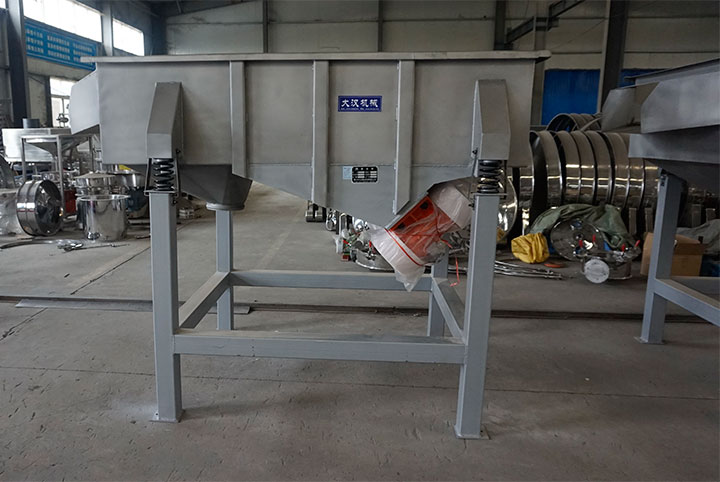
Standard woven wire mesh is highly prone to blinding when handling sticky or wet aggregates. Self-Cleaning Mesh (such as harp screens, piano wire, or wave wire) features independent wires that vibrate individually when excited by the screen box.
How it works: This secondary vibration creates a dynamic surface that actively sheds sticky particles and forces near-size wedged stones out of the openings.
The Result: Switching from standard woven wire to a polyurethane wave wire can reduce moisture-induced blinding by up to 75% in sand and gravel applications.
For dry materials that tend to lodge inside the mesh openings (near-size pegging), a mechanical ball tray is the most cost-effective solution.
How it works: A secondary coarser mesh is installed directly beneath the main screening deck, forming a tray filled with rubber or polyurethane bouncing balls. As the screen vibrates, these balls constantly strike the underside of the main mesh, mechanically dislodging trapped particles.
Material Tip: Use standard rubber balls for dry aggregates. For food-grade, high-temperature, or highly abrasive materials, upgrade to silicone or solid polyurethane balls to prevent premature wear.
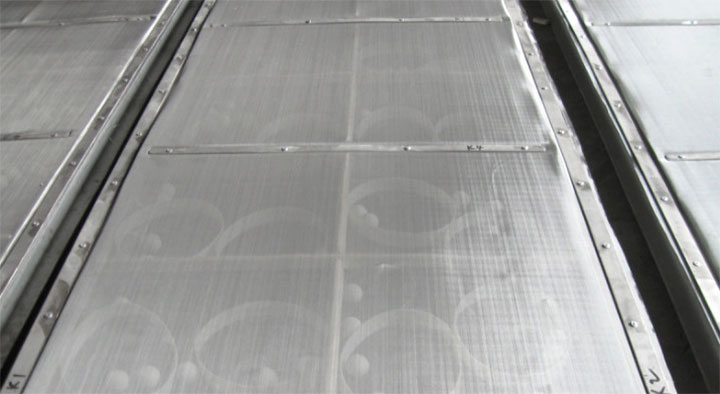
When screening fine, moisture-heavy minerals (like limestone, coal, or slag), the inherent moisture creates surface tension. This causes fine dust to stick to the wire wires, forming a paste that completely seals the screen.
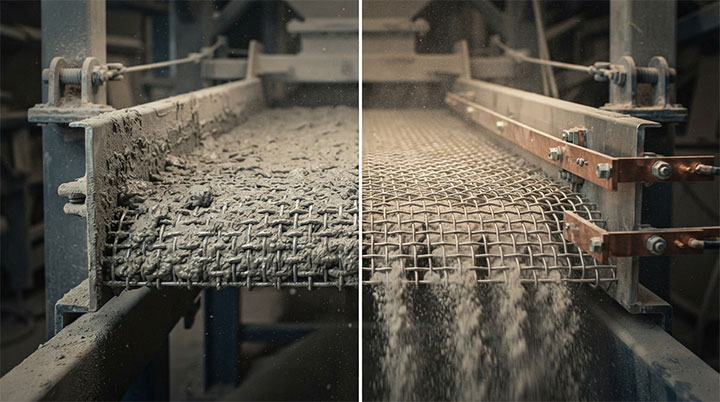
Many operators immediately blame the mesh for blinding, but the root cause is often incorrect exciter settings. If the "G-force" or stroke of the screen is too low, materials will simply slide across the deck and wedge into the openings instead of lifting off.
How to fix it: Adjust the eccentric counterweights on your vibrator motor or exciter to increase the amplitude (stroke).
Note: Ensure you do not exceed the manufacturer’s maximum G-force rating (typically 4.5G - 5.5G for standard screening applications) to prevent structural damage.
The Goal: A higher vertical throw gives near-size particles enough energy to pop out of the mesh openings before they become tightly wedged.
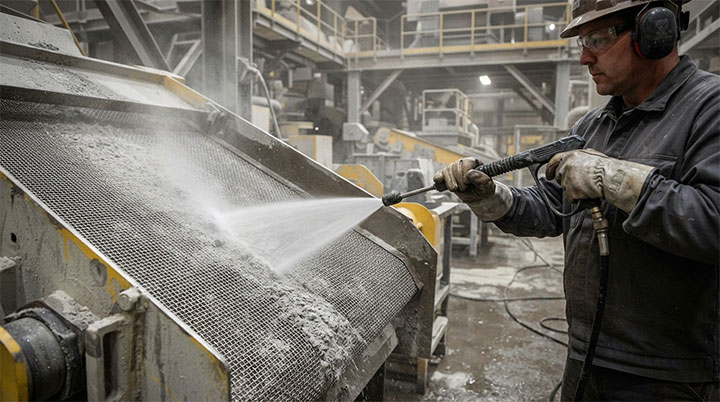
Blinding often hardens over time. If a screen deck is left uncleaned at the end of a shift, fine particles dry out and create a concrete-like cake that permanently ruins the mesh.
The Protocol: Establish a mandatory high-pressure water blasting routine at the end of every operational cycle.
Crucial Tip: Always blast at a 45-degree angle. Never allow operators to clear blinded mesh using metal scrapers, hammers, or wire brushes. Heavy manual scraping deforms the wire openings, permanently altering your cut size and accelerating future blinding.
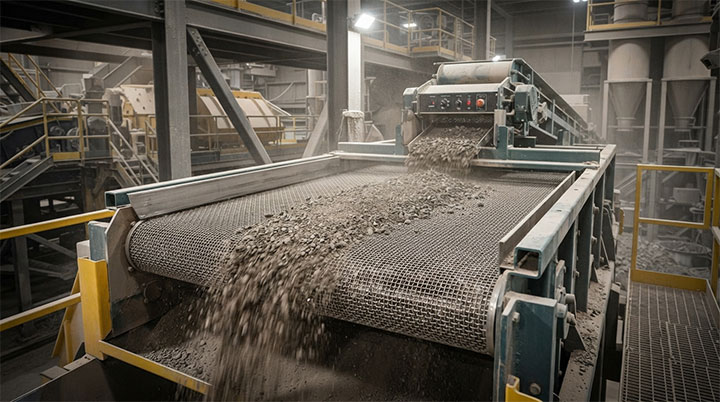
Sometimes the root cause of mesh blinding isn't the screen itself, but how the material is conditioned before it enters the vibrating sifter. Implementing proper pre-treatment steps can drastically reduce the burden on your screening decks.
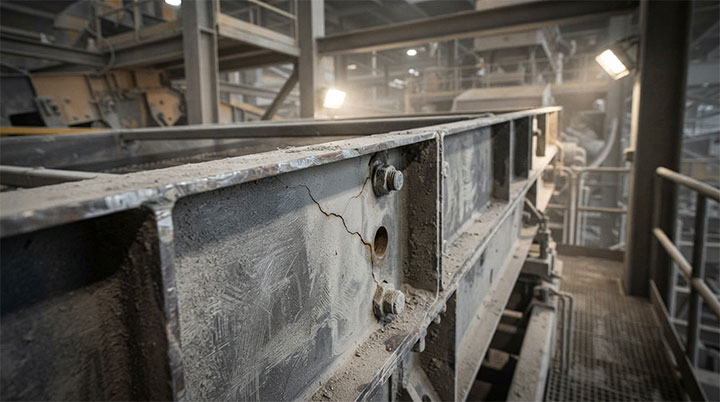
Plant operators often rely on trial-and-error methods that can inadvertently damage the equipment or worsen the clogging issue. Understanding what not to do is just as important as applying the right fixes.
| Main Cause of Blinding | Recommended Solution | Cost Level | Expected Efficiency Boost |
|---|---|---|---|
| Sticky / Wet Aggregates | Self-Cleaning Mesh / Polyurethane | Medium | 60% - 80% Run-time Increase |
| Near-Size Pegging (Dry) | Ball Tray System | Low | 50% - 70% Downtime Reduction |
| Fine Powder + Moisture | Electrical Deck Heating | High | 85%+ Clogging Elimination |
| Low Material Throw | Adjust Counterweights (Amplitude) | Zero Cost | 30% - 50% Throughput Recovery |
This troubleshooting guide was curated and verified by the Technical Support Team at Dahan Machinery. Our recommendations are based on 18+ years of industrial screening field data and hands-on plant optimization. For specific material testing or customized deck configurations, contact our engineering department directly.


Address:China,Yanjin county forest park gate to the west 1000 meters north road.


 Online Chat
 Email
Email