


In modern industrial manufacturing, meeting massive output demands without sacrificing sorting accuracy is a critical challenge. A high capacity grading machine is not a single generic device, but a heavy-duty, multi-deck screening system engineered specifically for continuous, high-volume material classification and particle size separation.
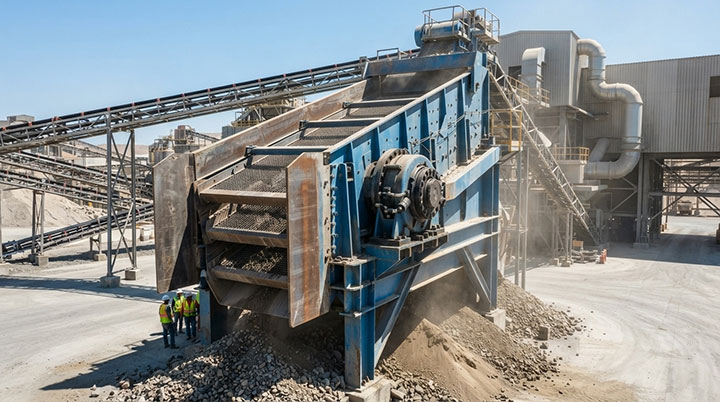
Traditional screens often choke under heavy feed rates, leading to frequent bottlenecks, production downtime, and inefficient separation.
High-capacity grading systems utilize optimized multi-layer screening decks and dynamic motion mechanics to process tons of material per hour with pinpoint precision.
Maximized Output: Handles large industrial feed volumes continuously 24/7.
Precise Multi-Level Separation: Splits raw materials into 2 to 6 distinct size fractions in a single pass.
Reduced Operating Costs: Minimizes labor intervention, energy waste, and material loss due to poor grading.
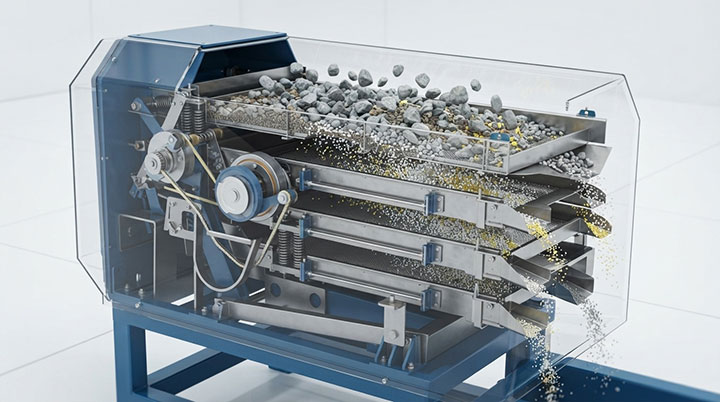
The secret behind high-capacity grading lies in engineered motion mechanics. By combining optimized kinetic energy with multi-layer screen deck configurations, these machines achieve rapid material stratification and precise particle separation.
Utilizing high-frequency vibrations, low-frequency tumbler rotation, or linear trajectory forces, the motion ensures raw materials immediately spread evenly across the entire screen surface upon feeding.
Fines and smaller particles quickly migrate downward through the material bed to contact the mesh, while coarser particles float to the top layer, eliminating choking and blinding.
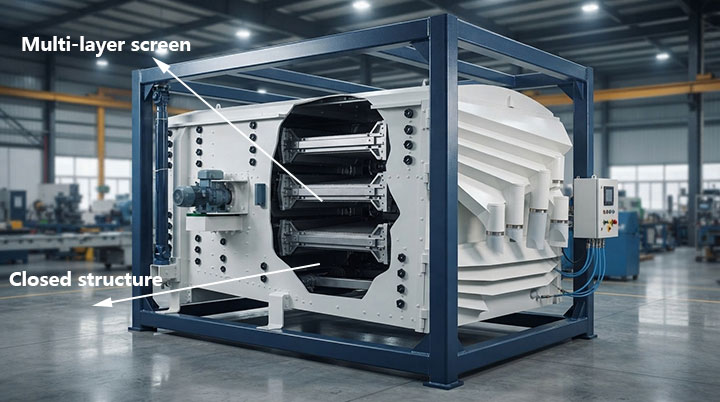
With 2 to 6 stacked screen decks of descending mesh sizes, the machine cleanly cuts a single feed stream into multiple graded fractions in one continuous pass.
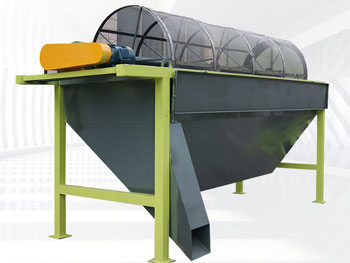
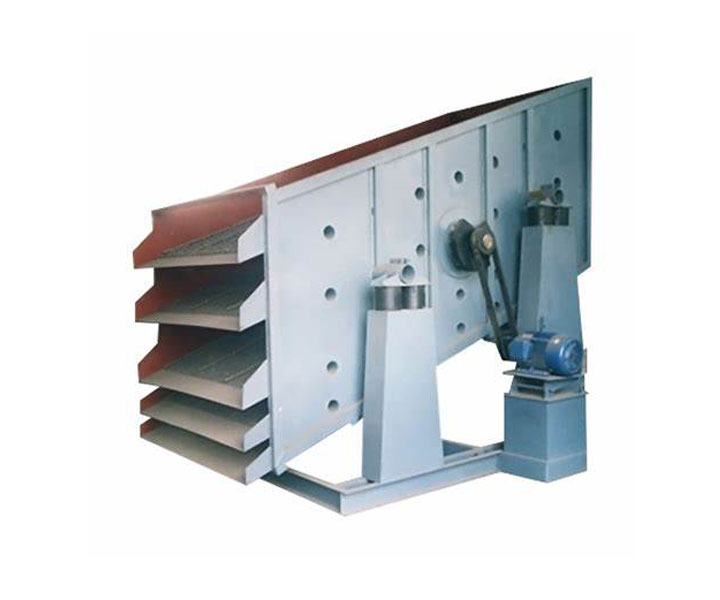
To match diverse industrial needs, our high-capacity grading systems cover both precision fine-particle sifting (Tumbler Series) and high-load aggregate separation (Circular Vibrating Series). Review the engineering specifications below:
| Model | Effective Screening Area (m²) | Motor Power (kW) | Screen Inclination (°) | Layers | Rotation Frequency (r/min) |
|---|---|---|---|---|---|
| FYBS1030 | 3.0 | 3.0 | 5 - 8 | 1 - 5 | 180 - 260 |
| FYBS1236 | 4.32 | 4.0 | 5 - 8 | 1 - 5 | 180 - 260 |
| FYBS1536 | 5.4 | 5.5 | 5 - 8 | 1 - 5 | 180 - 260 |
| FYBS1836 | 6.48 | 7.5 | 5 - 8 | 1 - 5 | 180 - 260 |
| Model | Area (m²) | Layers | Handling Capacity (t/h) | Feeding Granularity (mm) | Motor Power (kW) |
|---|---|---|---|---|---|
| YK1230 / 2YK1230 | 3.6 | 1 - 2 | Up to 220 | ≤200 | 7.5 / 11 |
| YK1530 / 2YK1530 | 4.5 | 1 - 2 | Up to 250 | ≤200 | 11 / 18 |
| YK1845 / 2YK1845 | 8.1 | 1 - 2 | Up to 350 | ≤200 | 18 / 22 |
| YK2060 / 2YK2060 | 12.0 | 1 - 2 | Up to 550 | ≤400 | 18 / 30 |
Engineering Note: Custom mesh apertures, material selections (Carbon steel or SS304/316L), and specialized drive configurations are available upon engineering consultation.
Screen blinding and clogging are the primary causes of unexpected downtime in high-capacity industrial grading. Our systems integrate advanced mechanical cleaning mechanisms to maintain uninterrupted throughput.
Utilizes food-grade bouncing elastomer balls moving beneath the screen mesh, constantly striking and clearing lodged particles during operation.
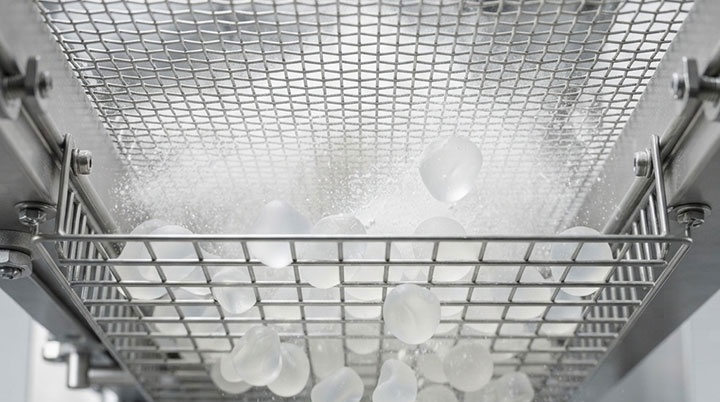
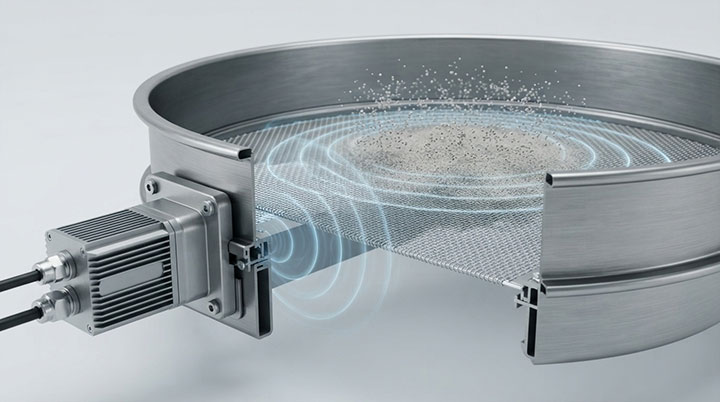
Applies high-frequency, low-amplitude ultrasonic energy directly to the mesh, ideal for ultra-fine powders prone to heavy electrostatic adhesion and blinding.
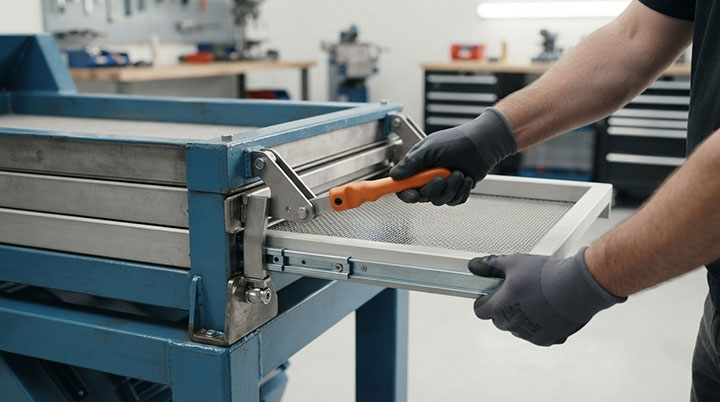
Engineered with fast-release clamping devices, allowing operators to inspect, tension, or replace individual screen decks in minutes rather than hours.
Different industrial materials behave uniquely under mechanical stress, moisture, and particle friction. Our high-capacity grading systems are engineered to adapt to diverse material characteristics across major processing industries.
Handles sticky, cohesive, or electrostatic powders with high precision, preventing clogging and ensuring uniform particle distribution.
Withstands heavy-duty impact and high feed tonnages, efficiently separating raw minerals, rocks, and sand aggregates into distinct grades.
Built with sanitary-grade stainless steel (SS304/316L) and seamless welds to meet strict hygiene and contamination-free standards.
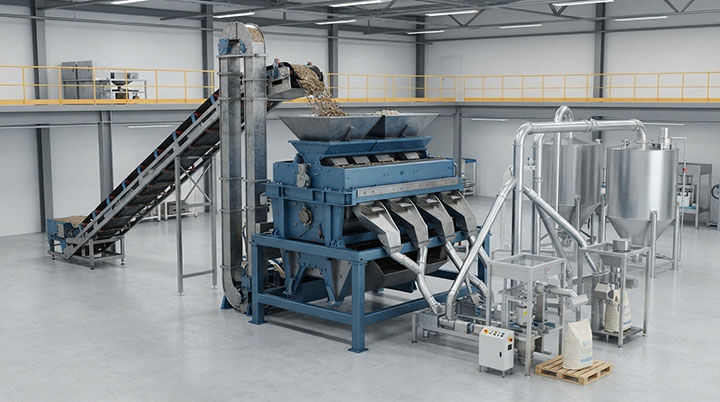
A high-capacity grading machine rarely operates in total isolation. Seamless integration into your existing or planned production line is essential to maximize overall operational efficiency and throughput continuity.
Pre-Screening & Feeding: Positioned immediately following primary crushing, grinding, or bulk feeding systems (such as screw conveyors and bucket elevators) to regulate material flow.
Core Classification Stage: Acts as the central separation hub, dividing bulk raw materials into precise fine, medium, and coarse fractions across multiple integrated decks.
Downstream Packaging & Transfer: Discharges graded fractions directly into pneumatic conveying lines, storage silos, or automated packaging systems for final processing.
Choosing the right industrial partner ensures long-term equipment reliability, minimal maintenance overhead, and expert technical support throughout your project lifecycle.
Equipped with precision CNC machining, automated cutting, and rigorous structural welding to guarantee heavy-duty durability.
Every grading machine undergoes comprehensive load testing and dynamic balancing inspections before leaving our facility.
Backed by experienced industrial engineers offering custom sizing solutions, installation guidance, and reliable spare parts supply.
Find professional answers to common technical questions regarding industrial grading and high-capacity screening operations.
For cohesive or sticky materials, we recommend equipping your grading machine with specialized anti-blinding devices such as bouncing elastomer balls or an ultrasonic screening system, which continuously agitate the mesh and prevent particle buildup.
Throughput capacity varies significantly based on material bulk density, moisture content, and particle size distribution. For instance, our tumbler series ranges from 0.5 to 15 tons per hour, while heavy-duty circular vibrating screens can handle up to 550 tons per hour.
Yes. All material-contact surfaces can be fully customized with SS304 or SS316L stainless steel, featuring polished finishes to meet stringent food, pharmaceutical, and chemical hygiene standards.
With our quick-change modular deck design, routine screen inspections take only minutes. Screen mesh lifespan depends on material abrasiveness, typically ranging from several months to over a year under normal operational conditions.
Ready to optimize your industrial screening and particle grading capacity? Tell us your material specifications, moisture content, and target output, and our senior engineers will design a customized solution tailored to your plant.


Address:China,Yanjin county forest park gate to the west 1000 meters north road.


 Online Chat
 Email