


Belt Conveyor for Construction waste Price varies greatly depending on site conditions, hardware configurations and supporting services. On construction demolition sites, renovation waste collection yards and municipal maintenance projects worldwide, material transfer still largely relies on manual labor plus small loaders. This method creates heavy dust pollution and brings significant safety risks to on-site workers.
Most buyers only focus on the bare machine price when making inquiries, ignoring the total cost over the whole project lifecycle. This article is compiled based on public design standards from the Global Industrial Conveyor Manufacturers Association, technical documents from leading equipment suppliers, and site selection records of global construction waste recycling projects. No exaggerated marketing language is used. Many project planners want to figure out a reasonable price range, avoid overpriced offers and out-of-control maintenance costs. Below we break down the pricing logic and selection guidelines to help buyers make solid purchasing decisions.
The price of a construction waste belt conveyor is not fixed. It consists of manufacturing costs, accessory costs and on-site installation expenses. By analyzing every cost item, you can spot overcharging and cost-cutting on raw materials.
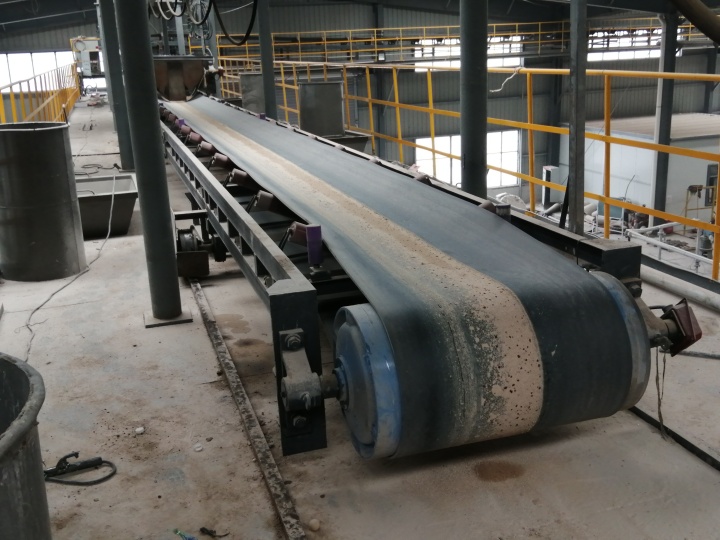
Three main factors affect the base price. First, the conveying length directly determines steel consumption for frames, idlers and drive units. Longer conveying distance means higher steel usage and a higher total price. Second is belt wear resistance. According to public wear test data from global belt suppliers, sharp rubble, concrete chunks and metal scraps will quickly wear down ordinary rubber belts. Models fitted with puncture-resistant belts cost more than standard belt versions. Third comes protective accessories. Closed dust covers and anti-spill side skirts are required to meet dust control rules, and these add extra fees to the final quotation.
Many buyers only compare bare machine prices and overlook ongoing replacement costs. They eventually find that Belt Conveyor for Construction waste Price looks low at first, yet the cumulative cost of belt replacement and motor repairs can nearly equal the original equipment cost.
Construction projects differ widely in scale, so equipment selection must match actual working conditions to get cost-effective solutions.
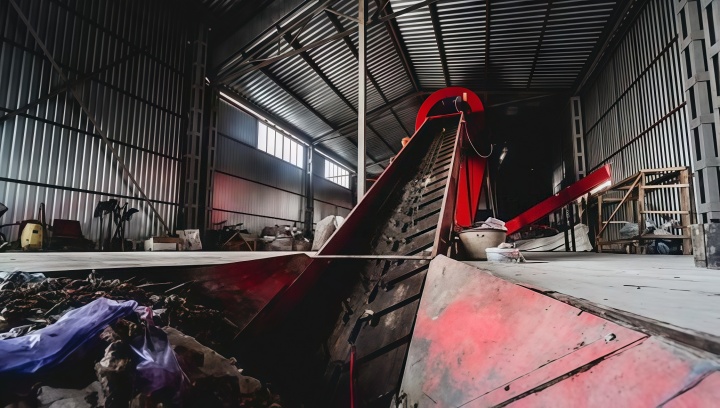
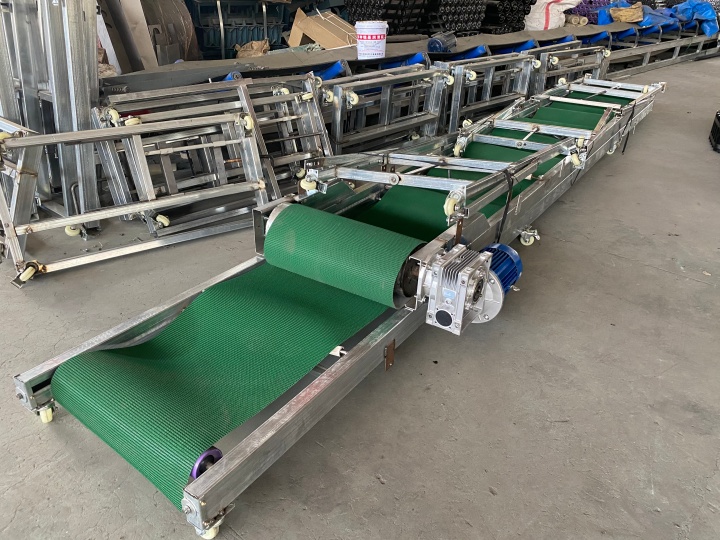
We divide application scenarios into three categories. The first category covers scattered jobs such as residential renovation waste collection and small indoor demolition. Short conveying lengths make lightweight mobile conveyors the best choice for small-scale waste treatment projects. The second category includes large demolition sites and construction waste recycling lines. The equipment runs continuously with high stability requirements, so the configuration and price are tailored for heavy-duty operation. The third category refers to short-term municipal pipeline maintenance work. Equipment rental is a better option without paying the full purchase cost upfront.
If you buy an oversized model beyond actual site needs, you will end up with idle equipment, and Belt Conveyor for Construction waste Price will exceed your project budget.
When selecting equipment, do not just pick the lowest-priced model. You need to calculate the full lifecycle cost and keep the unit material handling expense under control. Regular maintenance can effectively reduce later operating costs.
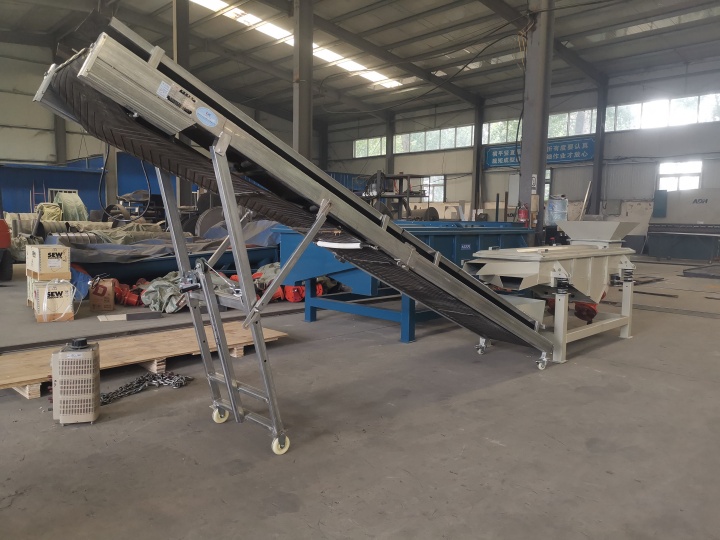
Three maintenance measures are highly recommended. First, regularly clear mortar residue stuck between idlers to prevent jamming, reduce motor load and cut power consumption. Second, adjust belt tension according to material hardness. Excessive tension speeds up belt abrasion, while insufficient tension leads to material spillage. Proper tension adjustment can greatly extend belt service life. Third, frequently check and retighten frame bolts to reduce vibration and friction loss, prolonging the overall service life.
With proper maintenance, even if the initial Belt Conveyor for Construction waste Price is slightly higher, the total expenditure including years of maintenance will be much more economical.
Most buyers only check host prices during quotation comparison. Many hidden charges that push up total project costs are often overlooked, which is the main reason for big price gaps between suppliers.
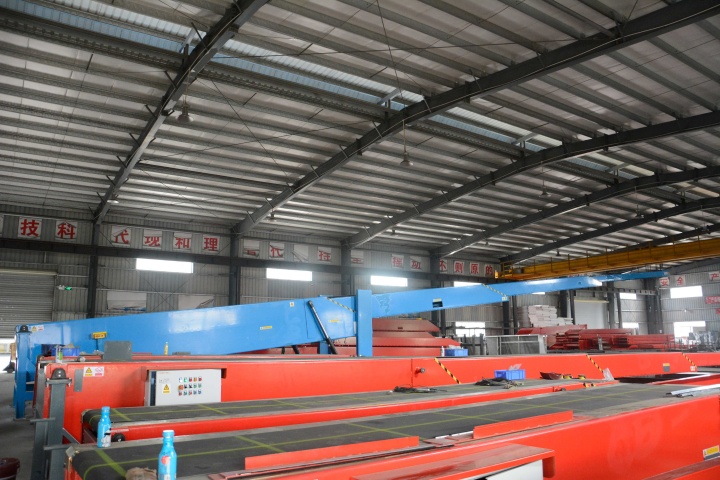
First, mismatched motor power. Per global industrial equipment energy efficiency standards, an underpowered motor running at full load consumes far more electricity than a properly sized motor. Many low-cost suppliers cut costs by installing undersized motors.
Second, idler spacing design. Following global conveyor design specifications, idler density affects overall machine weight, shipping and installation fees. Improper spacing causes belt deformation and material spillage. The idler layout for construction waste conditions comes from massive field experience across global projects.
Third, on-site installation and commissioning fees. Per standard industry practice for construction machinery, on-site service is usually charged separately. Some suppliers only quote the bare machine, and extra service fees will be charged after delivery.
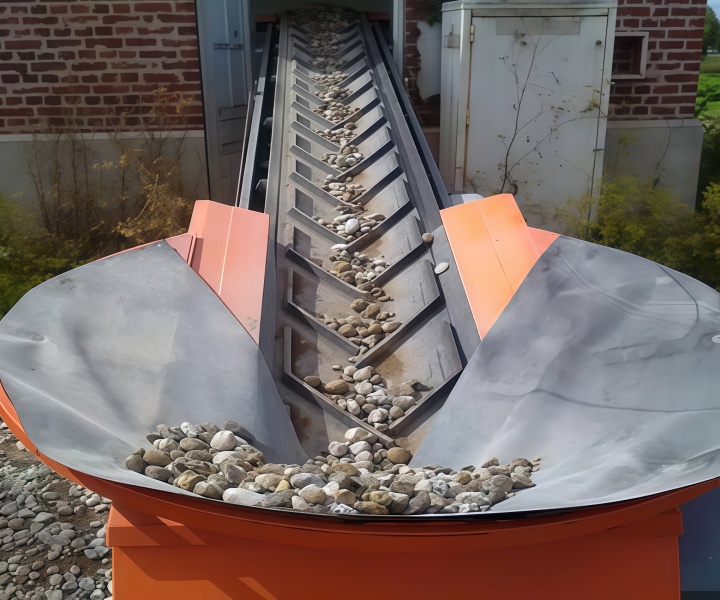
Different hardware setups correspond to different price brackets. Pre-screening by project conditions can save you plenty of invalid price inquiries.
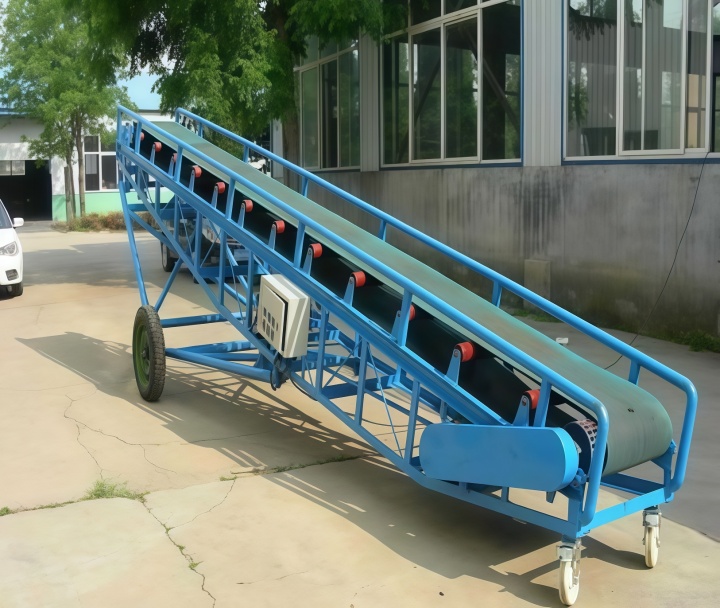
Short-distance mobile models fit scattered renovation waste collection with relatively low investment. Medium-distance fixed models with dust covers and wear-resistant belts work for regular demolition jobs. Long-distance heavy-duty models with dual drive systems are designed for continuous operation on construction waste recycling production lines.
When choosing a construction waste belt conveyor, you need to analyze cost components, match equipment with site conditions, and include long-term maintenance costs into your budget. Many buyers spend hours comparing multiple quotations but ignore condition matching and daily upkeep. Frequent breakdowns will drive up your total waste processing cost.
If you are planning a conveying system, prepare three key pieces of information first to simplify model selection: horizontal conveying distance, daily waste handling capacity and site dust control requirements. With these data, you can quickly filter suitable models and avoid unnecessary inquiries.
Below are frequently asked questions to solve common selection problems.
A: According to technical documents from global equipment manufacturers, standard conveyors are not recommended for construction waste. Sharp debris will easily puncture ordinary belts and cause unplanned downtime.
A: Most mobile models support angle adjustment. In line with global conveyor design standards, the tilt angle must stay within the repose angle of bulk materials. Too steep an angle will lead to material backsliding and block normal conveying.
A: Standard in-stock machines ship quickly. Custom frames and special wear-resistant accessories will extend the production cycle. Always confirm production schedules with suppliers before placing orders.
A: Following common industry practice in construction machinery, consumables such as idlers and belts can be bought separately. You do not need to buy all spare parts along with the main machine. Keeping common spare parts in stock can greatly shorten downtime.


Address:China,Yanjin county forest park gate to the west 1000 meters north road.


 Online Chat



 Email