


Gold Ore Belt Conveyors serve the continuous process chain of crushing, grinding, CIL leaching, heap leaching and tailings transportation. Their conveyed materials and environmental constraints differ from ordinary quarry and iron ore projects. Attachment of leaching reagents, adhesion of wet fine slime and foundation settlement at heap leaching pads are unique failure triggers for gold ore conveying systems.
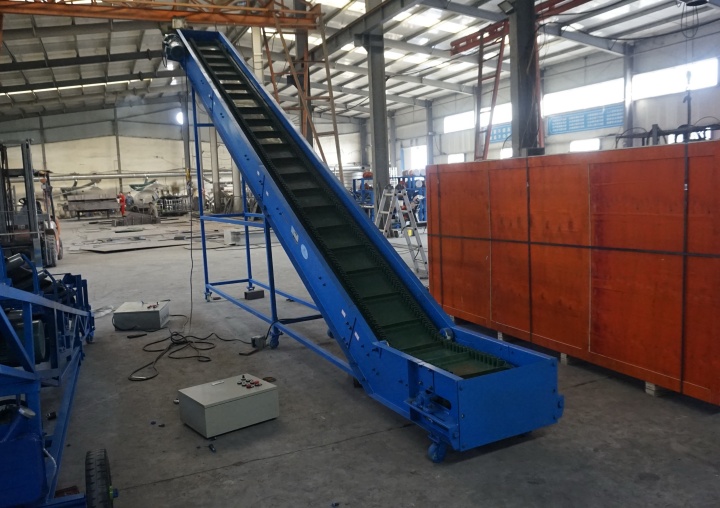
Many mines experience frequent belt damage, deviation and spillage after commissioning, which stem from inadequate Gold Ore Belt Conveyor Selection without adaptation to the distinctive operating conditions of gold processing. Thoughtful Gold Ore Belt Conveyor Selection focuses on corrosion and adhesion risks of gold-bearing materials, process downtime losses and overall lifecycle expenditure, instead of only comparing upfront purchase prices. All selection references can follow design specifications issued by CEMA, with final schemes aligned to local mine safety regulations.
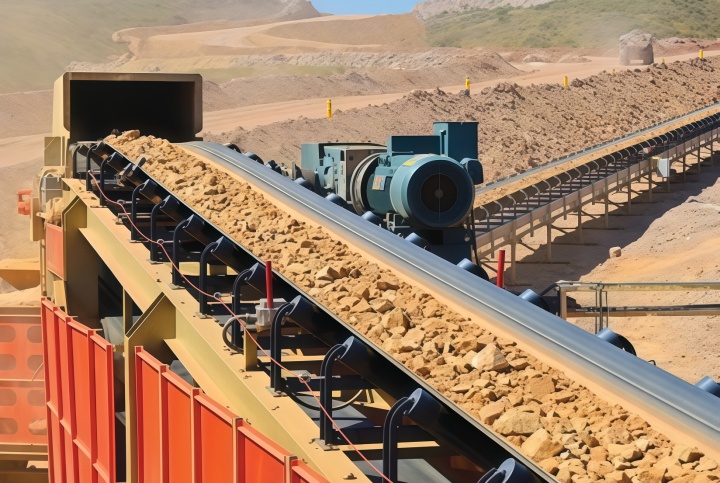
Most gangue associated with gold ore is high-hardness quartz. Materials in leaching sections carry leaching reagents and free moisture, bringing combined abrasion, chemical attack and material adhesion that affect belt compound formulation, idler layout and frame anti-corrosion grades.
At the early design stage, practitioners need to collect maximum lump size, surface moisture content, reagent type, hourly throughput, conveying elevation difference and route layout. These field parameters form core references for Gold Ore Belt Conveyor Selection and should not be estimated merely from experience gained at other mine sites.
Three condition-specific hazards for gold operations deserve attention. Impact abrasion from coarse quartz particles in crushing sections acts as a primary cause of belt tearing at feed points. Plain belts tend to slip above 15–18 degrees, and wet slime from gold ore creates higher slip tendency than dry rock. Anti-slip structures should be adopted for inclined heap leaching routes. Underground installations require flame-retardant and anti-static properties. Exposed heap leaching sections stay in prolonged contact with reagents and rainwater, so belts and frame protection suited to chemical surroundings are required for leaching zones.
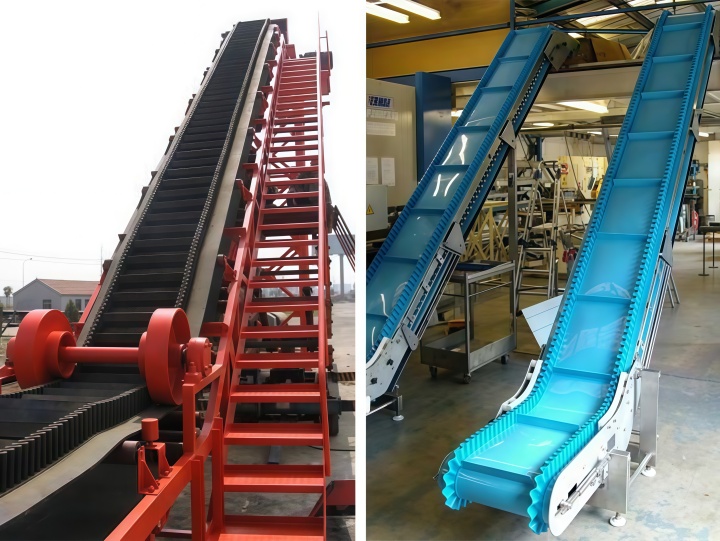
Material states and site limits vary greatly across different gold process stages. Equipment matching follows the logic of Gold Ore Belt Conveyor Selection to accommodate inherent limitations of gold metallurgical workflows.
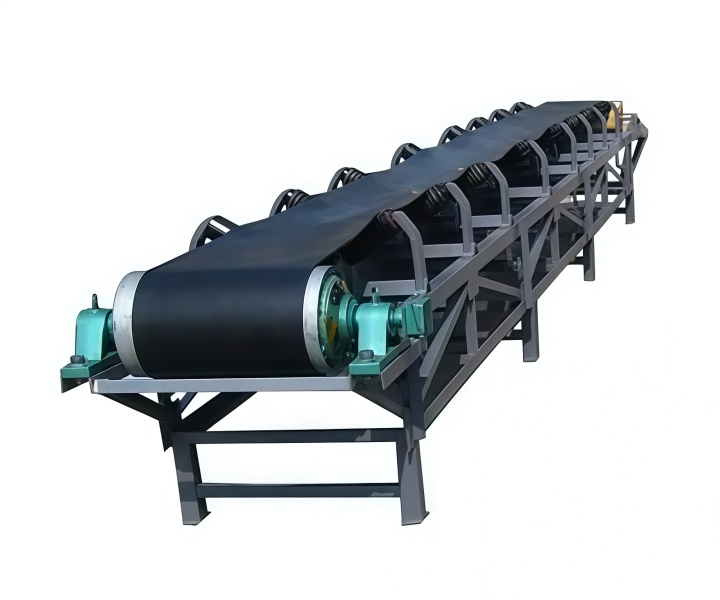
Trough belt conveyors apply to horizontal or gently inclined transfer between crushing and grinding circuits for dry coarse ore. They tend to trap slime in CIL leaching environments and require continuous cleaning arrangements. Steep incline sidewall belts work for heap leaching lifting routes and can handle gradients above 60 degrees. Since heap leaching foundations settle gradually as ore piles build up, adjustable frame space should be reserved for this type of conveyor.
Pipe conveyors suit dusty, reagent-laden fine leach material and tailings to limit reagent mist dispersion, though associated maintenance outlays are relatively high. Mobile conveyors fit temporary waste stockpiling and phased heap leaching stacking and are not suitable for stable long-distance transfer of leach residues. Equipment selection balances reagent exposure risks, heap settlement patterns and dust management requirements.
Many conveying failures at gold mines arise from copying layouts used at quarries or iron ore sites, ignoring extra deterioration brought by leaching reagents and sticky slime, and deviating from condition evaluation logic adopted in Gold Ore Belt Conveyor Selection.
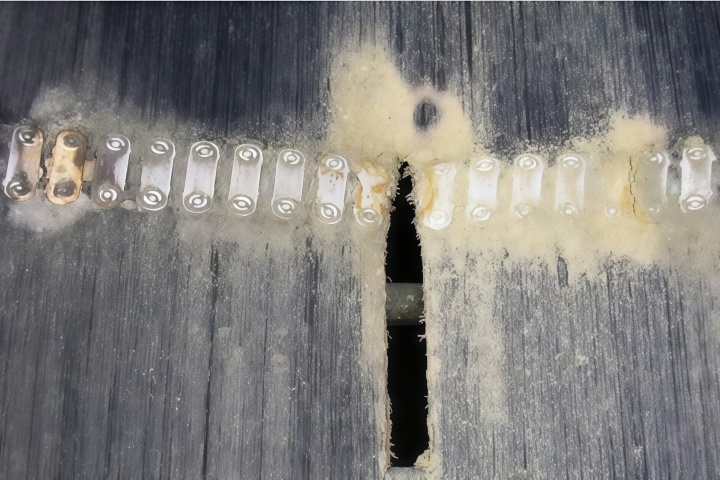
First, general-purpose wear-resistant belts are chosen directly. Angular quartz particles combined with slow chemical attack from leaching reagents change degradation patterns compared with dry quarry applications. Field engineering observations show heavy-duty mine belts exhibit a range of usable states under standard conditions. When gold leaching and heap leaching environments lack chemically resistant cover rubber and impact buffering, belt condition shifts rapidly. Adding chemically resistant top cover rubber paired with impact beds offers a practical mitigation approach for gold sites.
Second, heap leaching transfer routes are calculated only for static lengths. Gradual settlement alters foundation elevations, and layouts without alignment adjustment allowance develop deviation and tearing after a running period.
Third, narrow access inside leaching galleries exposes bearings to persistent reagent vapor. Limited service access raises difficulty in repairing idlers and pulleys and may trigger cascading shutdowns.
This checklist targets crushing, CIL leaching and heap leaching circuits at gold operations. It focuses on unique material and environmental hazards, balances initial investment and ongoing upkeep expenditure in reagent-exposed environments and supports the lifecycle thinking embedded in Gold Ore Belt Conveyor Selection.
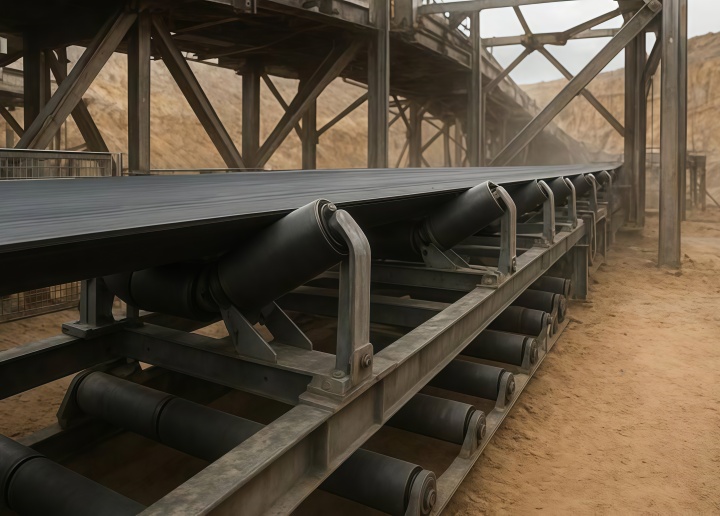
Review teams verify each item:
whether belt cover rubber is compatible with local leaching reagents
whether impact zones are fitted with buffering assemblies
whether heap foundations reserve adjustment allowance for settlement
whether scraper styles match sticky leach slime
whether take-up travel accounts for thermal variation and elongation caused by accumulated slime
Any mismatch with gold-site conditions leads to frequent unplanned stops. Documenting these criteria in technical agreements brings better outcomes than retrofitting after equipment faults emerge.
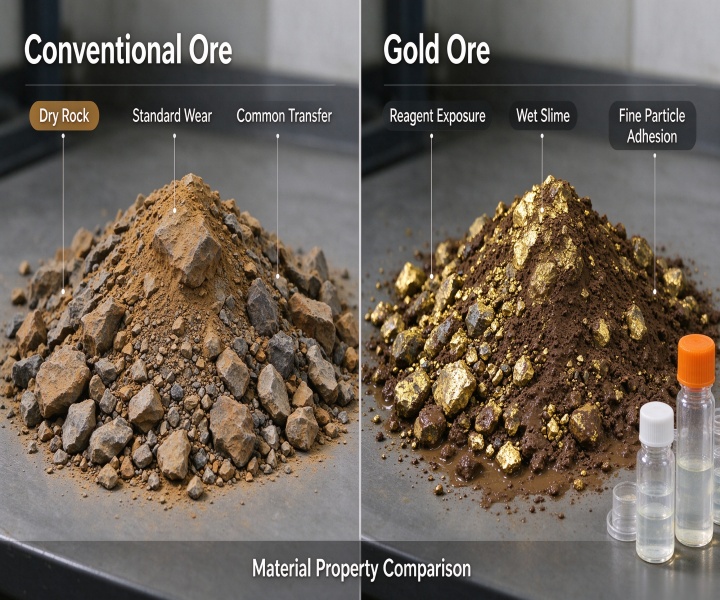
Most sand and iron ore transfer systems handle single dry feeds. Gold ore conveying circuits cover four distinct material streams: dry crushed quartz ore, reagent-bearing wet fine ore, heap-lift ore and reagent-contaminated tailings.
Crushing zones prioritize impact abrasion control. CIL leaching zones focus on chemical attack and slime adhesion. Heap leaching slopes address foundation settlement and ultraviolet exposure. Tailings sections contain reagent seepage. Generic conveyor layouts fail to distinguish these four material categories. Direct replication can trigger recurring issues and push up overall running expenditure.
Configurations listed below serve as preliminary benchmarks for early-stage gold project planning and cannot be applied without further review.
| Throughput | Belt Width | Belt Speed | Trough Angle | Application Scenarios |
| Below 50 t/h | 500 mm | 1.2 m/s | 30° | Underground branch routes, short-distance transfer, feed to leaching buildings |
| 50 – 150 t/h | 650 – 800 mm | 1.6 m/s | 35° | Main transfer routes between crushing and grinding sections |
| Above 150 t/h | 1000 mm | 2.0 m/s | 35° | Long-distance heap leaching pads, primary underground haulage |
Values are calculated using CEMA capacity formulas with quartz bulk density set to 1.6 t/m³. Bulk density and flow characteristics shift for wet and leached gold materials, requiring separate calculation.
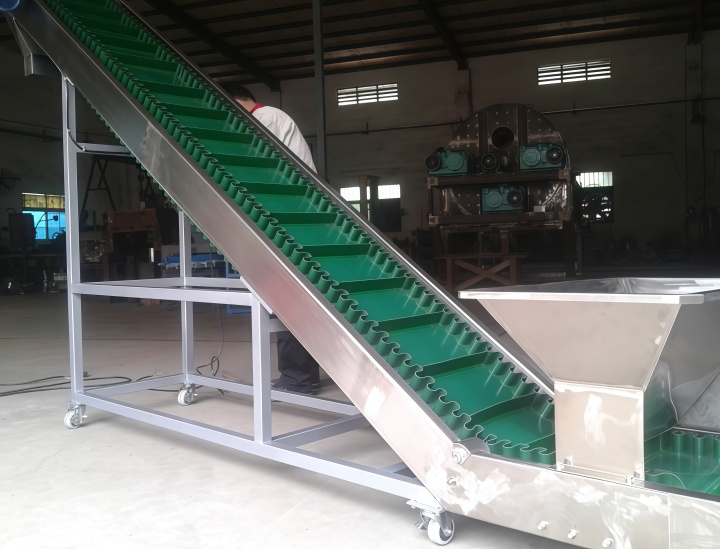
Gold mine conveyors are not standard off-the-shelf transfer machinery. Leaching reagents, sticky wet slime and heap settlement set them apart from other mineral sites. Condition-aligned selection reduces unplanned shutdowns and curbs spending tied to reagent containment and belt renewal.
This guide encourages practitioners to prioritize material traits of gold metallurgical processes instead of merely comparing price quotations. Where feed or reagent properties are unusual, material testing prior to final design lowers the chance of recurring operational disruptions after commissioning.
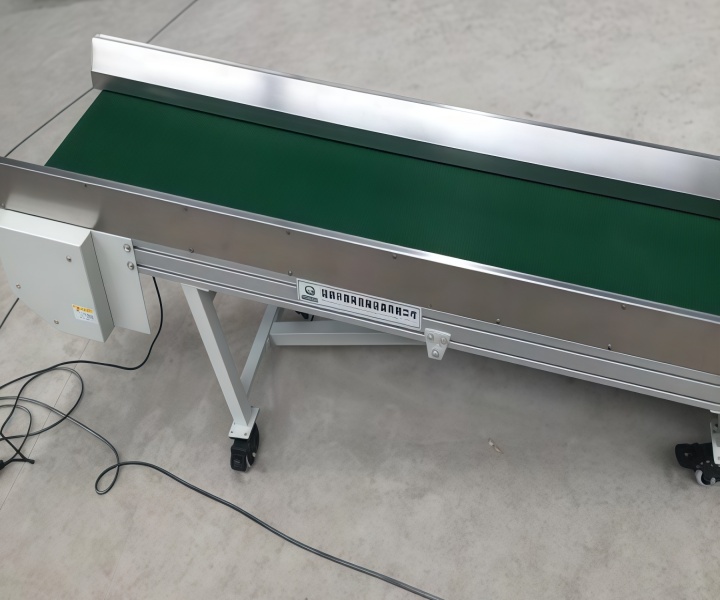
A. Open heap leaching locations receive continuous solar radiation that accelerates rubber aging. Ultraviolet light also speeds chemical interactions between leaching reagents and belt compounds. Formulations with UV resistance and chemical tolerance can be adopted. Sunshade structures slow the rate of compound deterioration.
A. Flame retardancy specifications for underground belts must comply with local mine safety codes and should not follow surface heap leaching standards directly. Some underground gold workings contain trace hazardous vapors, so fume emission characteristics of rubber compounds can also be assessed. Test documentation can be prepared for compliance checks.
A. Impact beds suit concentrated drop zones of coarse quartz ore, while impact idlers fit dispersed feed points. Components deployed in wet leach areas should also tolerate reagent exposure. Combined arrangements balance protective performance and ongoing outlay.
A. Sticky slime in leaching and heap leaching areas hardens over time and accelerates blade wear. Regular scraper inspections every two weeks are recommended. Adjusting blade gaps reduces slime carry-back onto pulleys, which limits deviation and concentrated reagent corrosion.


Address:China,Yanjin county forest park gate to the west 1000 meters north road.


 Online Chat


 Email