


Screen blinding is a persistent challenge in food processing. This case study details how we implemented a tailored anti-clogging vibrating screen solution for a flour milling client, combining rubber ball cleaners, ultrasonic systems, and scrapers to eliminate production bottlenecks. An Anti-Clogging Vibrating Screen uses specialized devices to prevent mesh blockage, ensuring continuous throughput and reducing downtime.
The Problem That Was Costing Us Production Time
Every food processing plant knows the frustration. You start a production run, the vibrating screen is working perfectly, and then—gradually or suddenly—throughput drops. The screen is blinding.
We experienced this firsthand while working with a mid-sized flour milling facility. Their production line was running at capacity, but they were losing nearly 20% of their output to screen blinding issues. Operators were stopping the line every 2-3 hours to manually clean clogged mesh. The downtime was costing them thousands per week.
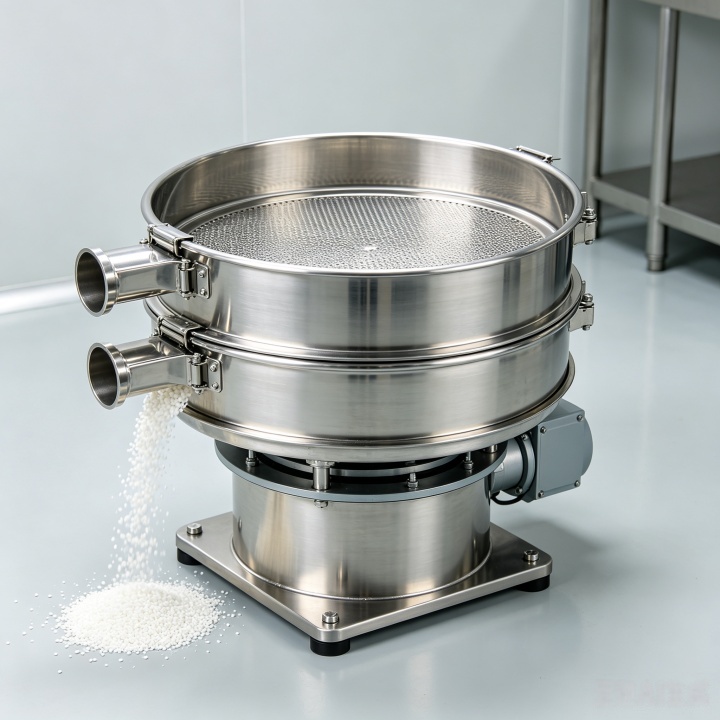
This article documents our approach to solving their screen blinding problem using food-grade vibrating screens equipped with anti-clogging devices. It's a real case study of what worked, what didn't, and the measurable results we achieved.
Screen blinding occurs when particles become lodged in the openings of a screen mesh, blocking material from passing through. In our client's flour mill, we identified two primary causes:
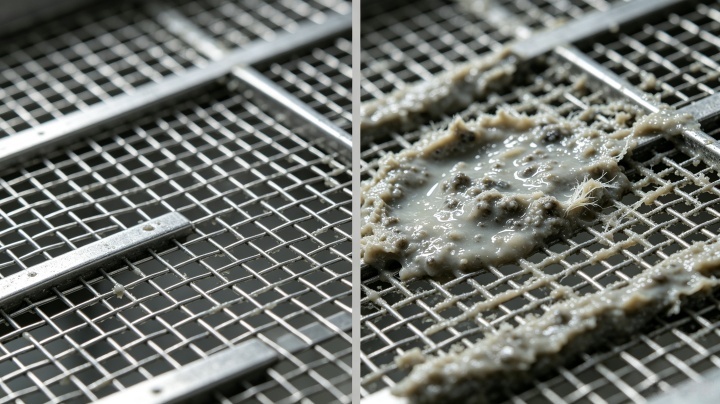
For our client, the problem was compounded by the fact they were processing multiple product types. Fine flour one day, protein powder the next, and occasionally sticky seasoning blends. Each material presented unique blinding challenges.
An anti-clogging vibrating screen is a screening machine equipped with self-cleaning mechanisms designed to prevent material from adhering to or wedging into the screen mesh. Unlike standard vibrating screens, these systems actively dislodge particles to maintain open area and screening efficiency. Common anti-clogging technologies include:
Choosing the right anti-clogging vibrating screen depends on material characteristics, mesh size, and production volume. Our case study below demonstrates how we matched these technologies to specific challenges.
Before implementing a solution, we analyzed the facility's existing screening setup. Here's what we found:
The existing vibrating screens had no self-cleaning devices. Operators were relying solely on manual cleaning between batches—an inefficient and labor-intensive approach.
When processing dry, lightweight powders, static electricity caused particles to cling to the mesh and frame. This was particularly problematic during the winter months when ambient air was drier.
The constant manual cleaning was physically damaging the fine mesh screens. The facility was replacing screens every 2-3 weeks instead of the expected 12-18 months.
Instead of a single "magic bullet," we implemented a comprehensive solution tailored to the facility's diverse product portfolio.
For their dry, coarse-screening applications (flour and grains), we installed self-cleaning ball trays beneath the screen mesh. As the vibratory screen operates, FDA-compliant silicone rubber balls bounce continuously against the screen's underside, creating high-frequency taps that dislodge stuck particles.
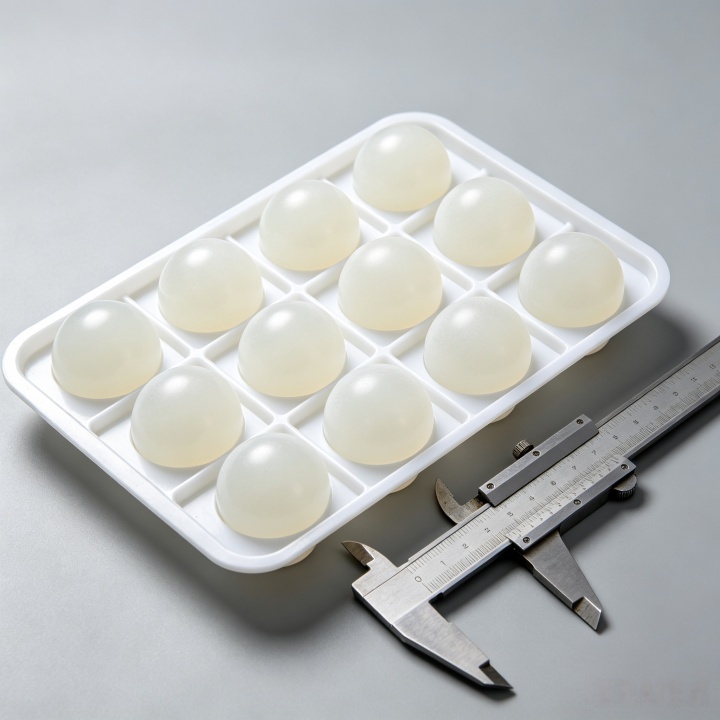
Key specifications we selected:
For their high-precision screening (200+ mesh for specialty flours), the ball system wasn't enough. The balls were too heavy for delicate screens and couldn't effectively clear sub-100-micron particles.
We installed ultrasonic screening systems that create a high-frequency secondary vibration (up to 20,000 Hz) on the screen surface.
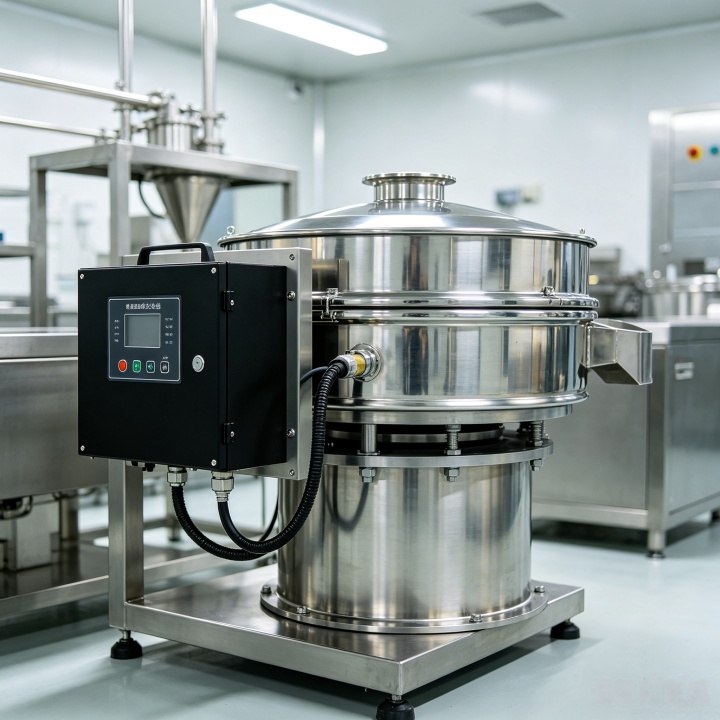
The ultrasonic waves:
For their seasoning blend line—which contained oils and sugars—even the ultrasonic system struggled. We integrated scraper mechanisms that physically sweep the screen surface, removing adherent material continuously
This solution was specifically effective for:
Duration: 2 days per machine
Operator training: 4 hours
No production downtime (staged during scheduled maintenance)
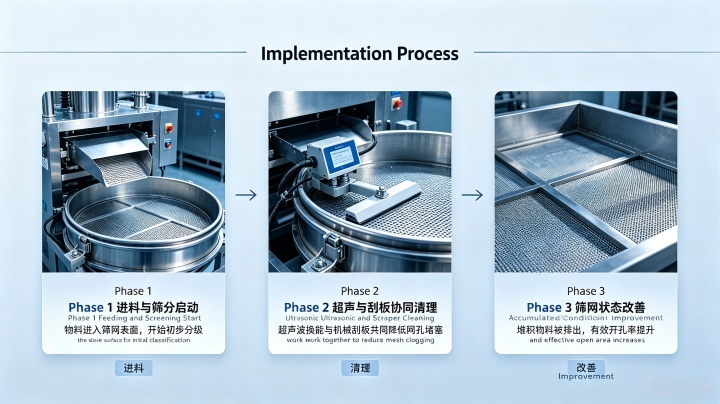
Duration: 1 day per machine
Calibration of generator settings for each product type
Verification of FDA compliance on all contact surfaces
Custom engineering to match existing screen frames
Food-grade silicone scraper material
3-5 minute screen changeover time maintained
Before: 20% production loss, 2-3 hours of daily cleaning downtime, 20+ screen replacements annually
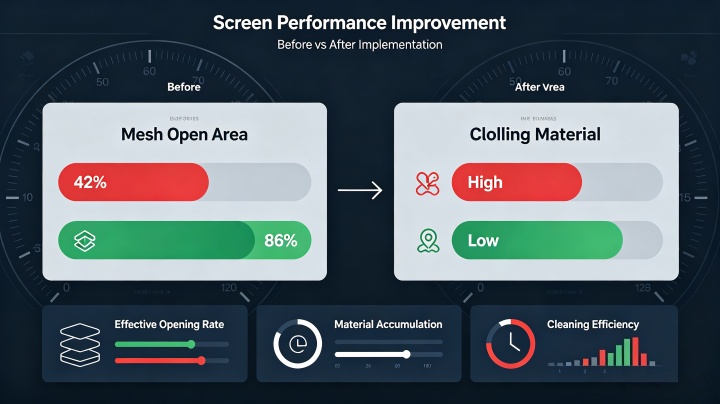
After:
| Metric | Before | After | Improvement |
| Screen blinding incidents (per week) | 12-15 | 1-2 | 87% reduction |
| Daily cleaning time | 2-3 hours | 15 minutes | 90% reduction |
| Screen lifespan | 2-3 weeks | 8-10 months | 300% increase |
| Throughput efficiency | 80% | 96% | 16% gain |
| Operator intervention | Constant | Minimal | Labor savings of 8-10 hrs/week |
Annual savings: Approximately $47,000 in reduced downtime, fewer screen replacements, and labor optimization.
Based on our experience, here's what we learned:
Not every solution works for every product. This was our matching framework:
In food processing, material safety is paramount. All cleaning devices we used were:
Even the best anti-clogging systems require maintenance. The rubber balls in our installation need replacement when they wear down below a certain diameter. We trained the client's maintenance team to:
Instead of a single "magic bullet," we implemented a comprehensive anti-clogging vibrating screen strategy tailored to the facility's diverse product portfolio.
Screen blinding in food processing isn't just a nuisance—it's a direct hit to your bottom line. Through this case study, we demonstrated how a targeted anti-clogging strategy can transform a struggling operation into an efficient, high-throughput facility.
The key is matching the technology to the material. What works for flour won't necessarily work for protein powder or seasoning blends. By analyzing the specific blinding mechanisms—near-size particles, adhesion, static charge, or moisture—you can select the right solution.
If you're experiencing screen blinding in your food processing operation, we're happy to share more insights from our experience. The right anti-clogging system doesn't just solve the problem—it pays for itself in reduced downtime and longer screen life.
Contact our engineering team to discuss your anti-clogging vibrating screen requirements.
Q: What is screen blinding?
A: Screen blinding occurs when particles become lodged in the openings of a screen mesh, blocking material from passing through. It's commonly caused by near-size particles or sticky/adhesive materials.
Q: What are the most common anti-clogging devices for food-grade vibrating screens?
A: Rubber ball cleaning systems, ultrasonic systems, and scraper mechanisms—each suited for different material types.
Q: Are anti-clogging devices FDA-approved for food contact?
A: Yes, provided they use FDA-compliant materials. White silicone and specially formulated natural rubber are common choices.
Q: Can I retrofit an ultrasonic system to my existing vibrating screen?
A: Yes. Many ultrasonic screening systems can be retrofitted to existing equipment


Address:China,Yanjin county forest park gate to the west 1000 meters north road.


 Online Chat
 Email
Email