


Herbal powder processing requires stable particle size control, impurity removal, dust-free conveying, and continuous production performance. In industrial production lines, herbal powders such as ginseng powder, turmeric powder, licorice powder, moringa powder, mushroom extract powder, tea powder, and traditional medicinal plant powders often contain fibers, agglomerates, and fine dust that can affect product quality and downstream packaging efficiency. Industrial sieving systems are therefore widely used to classify powder particles, remove oversized materials, and improve final powder uniformity.
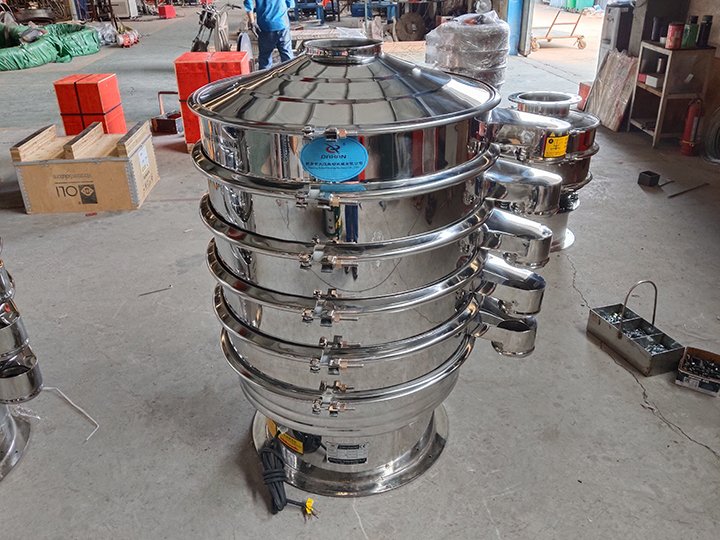
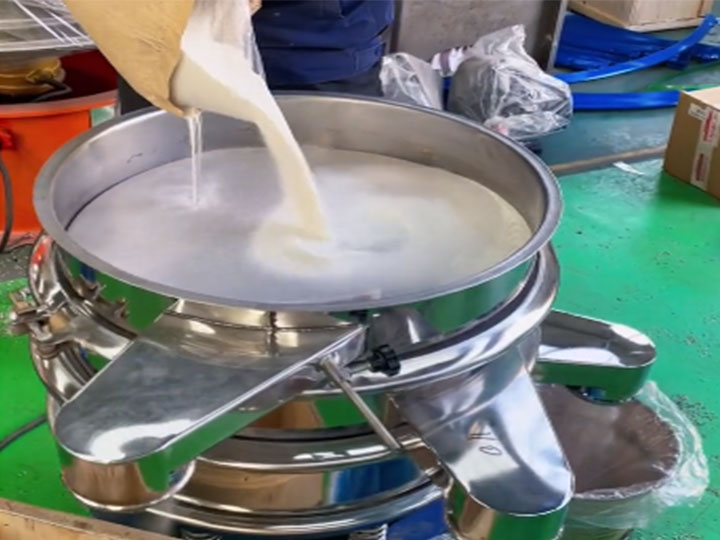
During the grinding and pulverizing process, herbal materials usually produce powders with inconsistent particle sizes. Some herbal roots, leaves, and botanical extracts contain fibers, moisture, or oily substances that can easily form agglomerates during storage or processing. If these oversized particles and impurities are not removed before mixing or packaging, they may affect product uniformity, reduce powder flowability, and even cause blockage in downstream conveying or filling equipment.
Powders with stable particle size distribution flow more evenly into mixers, packaging machines, and storage systems, helping reduce production interruptions and improve packaging accuracy.
Common powders processed by industrial sieving systems include ginseng powder, turmeric powder, ginger powder, moringa leaf powder, spirulina powder, reishi mushroom powder, licorice powder, matcha tea powder, herbal extract powder, and various traditional medicinal plant powders.
Vibro Sifter
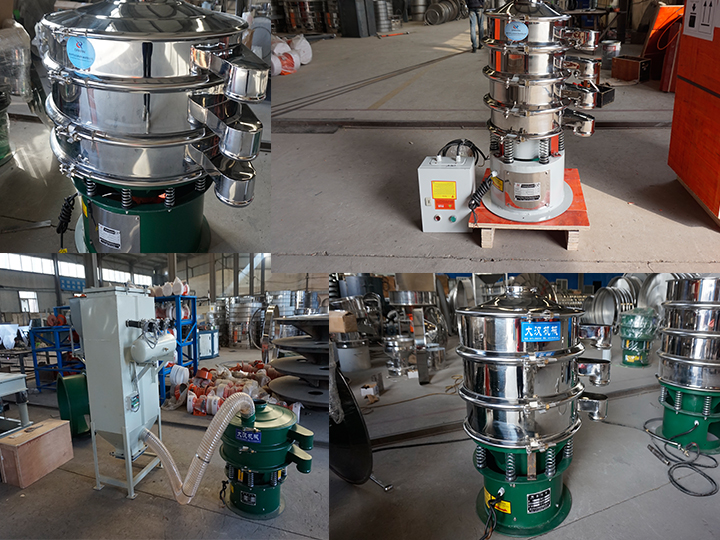
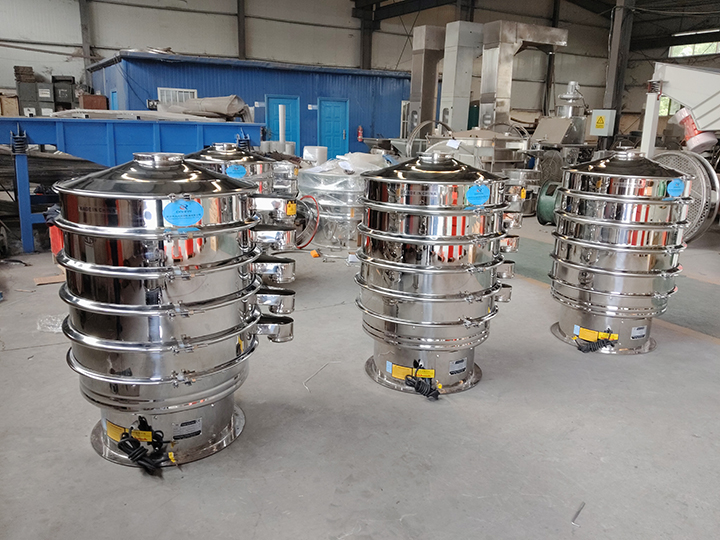
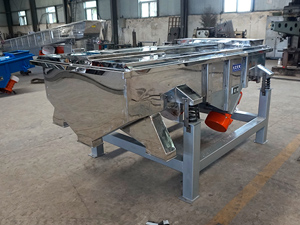
Vibro sifters are one of the most commonly used screening machines for herbal powder processing. These machines use vibration motors to generate three-dimensional motion, allowing powders to spread evenly across the screen surface for efficient separation. Because of their relatively simple structure and flexible design, vibro sifters are widely used in food, pharmaceutical, and nutraceutical industries.
Most industrial vibro sifters support multi-layer screening configurations, allowing manufacturers to separate powders into several particle size grades in a single operation. The equipment is usually manufactured from stainless steel to improve corrosion resistance and hygienic performance. Enclosed structures also help reduce dust leakage during screening.
For herbal powder applications, vibro sifters are commonly installed before mixing systems, automatic packaging machines, or storage silos. They help remove oversized particles, agglomerates, and fibrous residues that may affect downstream production efficiency. Depending on production requirements, machines can be configured with different diameters, mesh sizes, and discharge outlet designs.
Ultrasonic Sieving Machine
Some herbal extract powders are extremely fine and difficult to screen using conventional vibration equipment. Powders with high oil content, low bulk density, or strong static electricity tendencies can easily block fine mesh screens during operation. Ultrasonic sieving machines are designed to solve these problems by adding high-frequency ultrasonic vibration to the screen surface.
The ultrasonic system continuously transmits microscopic vibrations to the mesh, helping powders pass through fine openings more efficiently while reducing screen blinding. This technology is particularly useful for ultra-fine herbal extract powders above 200 mesh, lightweight botanical powders, and sticky materials that are difficult to separate under standard vibration conditions.
Compared with ordinary screening systems, ultrasonic sieving machines can improve screening precision and maintain stable throughput during continuous operation. Some fine powder applications can achieve screening accuracy down to approximately 20 microns depending on powder characteristics and mesh configuration.
| Powder Type | Common Mesh Size |
|---|---|
| Turmeric powder | 40-80 mesh |
| Matcha powder | 100-300 mesh |
| Herbal extract powder | 150-400 mesh |
| Ginger powder | 30-80 mesh |
| Botanical powder | 60-200 mesh |
Fine herbal extract powders usually require ultrasonic sieving systems to reduce mesh blockage and improve screening efficiency during high mesh separation.
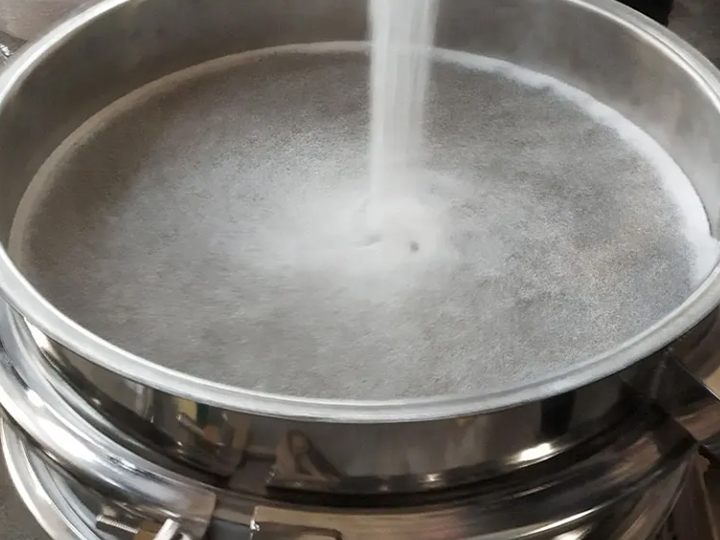
Material Requirements. Most industrial sieving equipment uses SUS304 or SUS316L stainless steel for all powder contact surfaces to improve hygiene, corrosion resistance, and cleaning efficiency.
Surface and Structural Design. Smooth, polished inner surfaces help reduce powder residue buildup during production. Furthermore, quick-disassembly structures allow operators to more easily clean the screens and internal components between different batches of product. This is especially important when handling different herbal powders, helping to reduce the risk of cross-contamination.
Sealing and Corrosion Protection. Fully enclosed dustproof designs are also commonly used in herbal powder sieving systems. These structures help minimize airborne powder leakage and maintain a cleaner production environment. For certain corrosive herbal extract powders, some manufacturers may choose special corrosion-resistant materials or custom surface treatments to extend the equipment's lifespan.
A standard herbal powder processing line usually begins with crushing or pulverizing raw herbal materials into smaller particles. After grinding, powders may pass through drying equipment to reduce moisture content before entering the conveying and screening stage.
The powder is then transferred into an industrial sieving machine where oversized particles, fibers, and impurities are separated from qualified fine powder. Depending on the production requirements, screening equipment may perform single-stage impurity removal or multi-stage particle classification.
After screening, qualified powder is typically conveyed into mixing systems, storage silos, or automatic packaging machines for final processing. Fully enclosed conveying and screening systems help reduce dust leakage and improve production cleanliness throughout the entire operation.
Stable Sieving Performance. Stable sieving performance helps improve product consistency while reducing the content of oversized particles and contaminants in the final product.
Operating Efficiency. Continuous feed and discharge structures enable smoother operation of powder processing production lines and reduce interruptions. The dustproof enclosed design helps maintain a cleaner working environment and reduces airborne powder contamination.
Production Flexibility. Multi-layer sieving systems allow manufacturers to classify powders into different particle sizes in a single operation, thus increasing production flexibility. The easy-to-clean structure and stainless steel construction also help simplify equipment maintenance and improve hygiene.
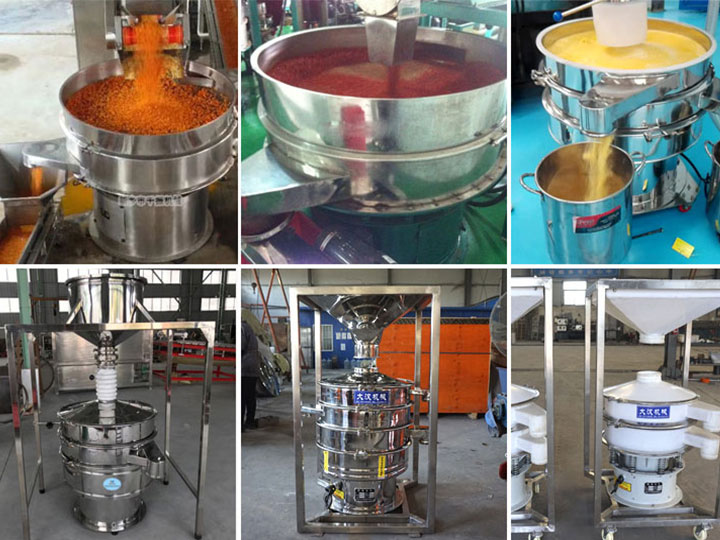
Industrial scale sieving sets play an important role in herbal powder processing by improving particle consistency, removing impurities, and supporting automated production. Different screening technologies such as vibro sifters and ultrasonic sieving machines can be selected according to powder characteristics, mesh requirements, and production capacity.


Address:China,Yanjin county forest park gate to the west 1000 meters north road.


 Online Chat
 Email
Email