


Polypropylene for auger conveyor refers to the use of polypropylene (PP) material in the manufacturing of auger conveyor components or complete conveyor systems. Polypropylene is a thermoplastic polymer known for its chemical resistance, light weight, low moisture absorption and cost efficiency. Because of these properties, it is often selected for screw conveyors used in corrosive, humid or chemically aggressive environments.
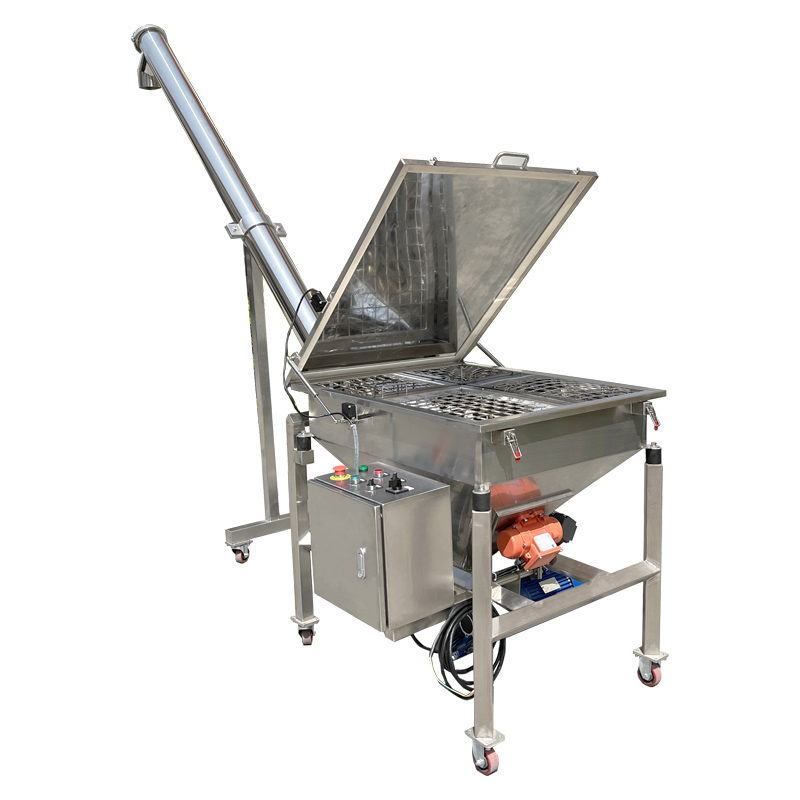
Compared with traditional carbon steel or stainless steel structures, polypropylene auger conveyors are suitable for applications where metal corrosion may occur or where lighter equipment is preferred. They are commonly used in chemical plants, fertilizer processing, wastewater treatment systems and powder handling lines.
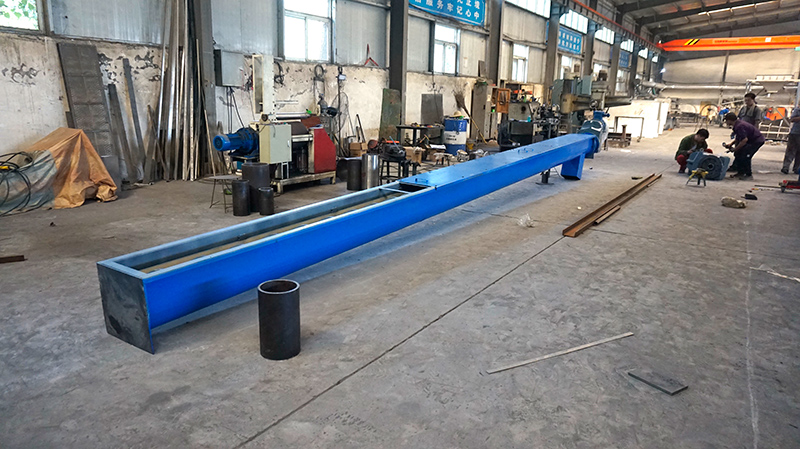
Polypropylene auger conveyor has a wide range of applications in various industries. In the chemical industry, it is often used to transport powdery materials, granular materials and granular materials, such as fertilizers, plastic granules, etc. In the metallurgical industry, it can be used to transport materials such as ore and coal. In the building materials industry, it can be used to transport cement, limestone and other materials. In addition, polypropylene screw conveyors are also widely used in food, environmental protection and other industries.
Polypropylene auger conveyors offer many advantages that make them ideal for material handling. First of all, polypropylene material has good corrosion resistance and can operate stably in an environment with a variety of chemical substances. This makes the conveyor very reliable when handling corrosive materials. Secondly, polypropylene screw conveyor has a low friction coefficient, which can reduce energy loss, improve transportation efficiency and save energy. In addition, it has a simple structure, easy operation, simple maintenance, and easy cleaning, which reduces labor and time costs. In addition, the lightweight and durable characteristics of polypropylene screw conveyors enable them to have a long service life and can operate continuously for a long time without being prone to failure.
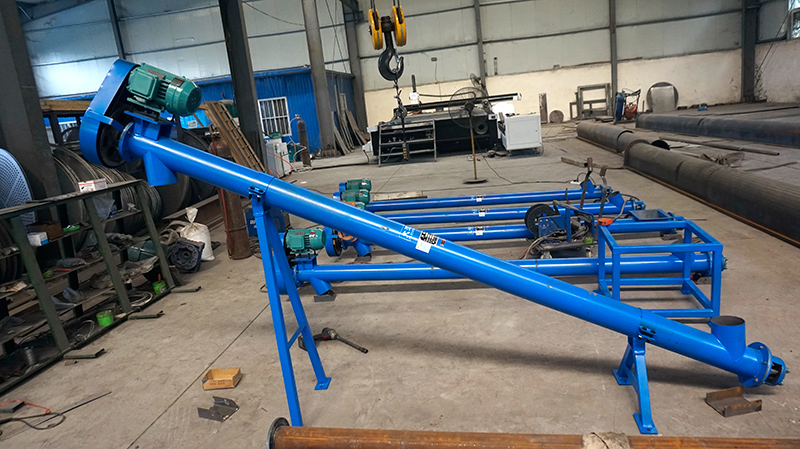
Polypropylene auger conveyor also offers some other advantages. First of all, it has strong conveying capacity and can adapt to the conveying needs of different materials. Secondly, its conveying distance and angle can be adjusted according to the actual situation, and is suitable for horizontal, inclined and vertical conveying. In addition, polypropylene screw conveyors are less noisy and have less impact on the working environment. Additionally, it has a smaller footprint, making it suitable for locations with limited space.
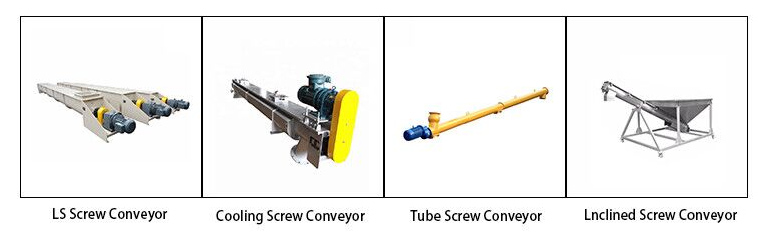
Excellent Chemical Resistance. Polypropylene has strong resistance to many acids, alkalis and chemical solutions. This makes it suitable for conveyor systems working in chemical processing environments.
Lightweight Construction. Compared with steel structures, polypropylene components are much lighter, making installation and relocation easier.
Moisture Resistance. PP material has low water absorption and performs well in humid workshops or outdoor covered areas.
Smooth Surface. Its smooth internal surface helps reduce material sticking for certain powders and granules.
Lower Maintenance. Because polypropylene does not rust, maintenance requirements may be reduced in some applications.
The working principle is the same as a standard screw conveyor. A motor drives the screw shaft through a gearbox. As the spiral blade rotates, bulk materials move forward along the trough or tube until reaching the discharge point.
The difference is that some machine components are manufactured from polypropylene rather than metal, improving chemical resistance and reducing total weight.
Polypropylene vs Stainless Steel Auger Conveyor
If the conveyor operates under high temperature, heavy load or abrasive materials, stainless steel may be more suitable. If corrosion resistance and light weight are priorities, polypropylene can be a practical option.
| Item | Polypropylene | Stainless Steel |
| Weight | Lighter | Heavier |
| Corrosion Resistance | Good for many chemicals | Good overall |
| Temperature Resistance | Moderate | Higher |
| Mechanical Strength | Medium | Higher |
| Cost | Often Lower | Higher |
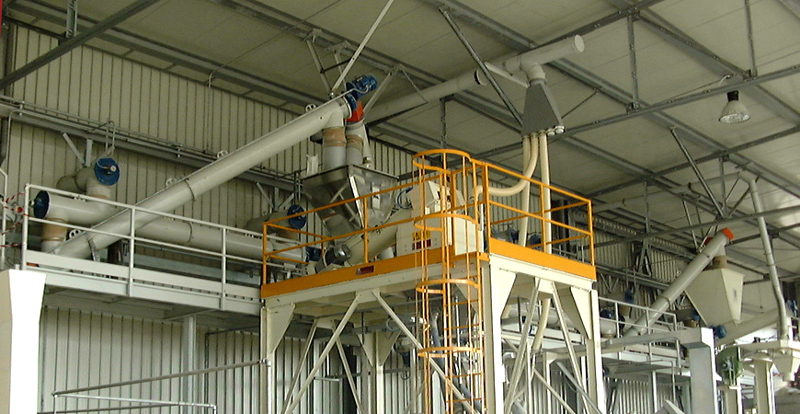
Polypropylene itself has excellent corrosion resistance, allowing the equipment to operate stably even in environments containing various chemical media, making it highly reliable for conveying corrosive materials. Simultaneously, this material has a low coefficient of friction, resulting in lower energy consumption, higher conveying efficiency, and greater energy savings.
In addition, polypropylene screw conveyors possess several practical features. They have a strong conveying capacity, adaptable to the conveying needs of various materials; the conveying distance and inclination angle are adjustable as needed, supporting horizontal, inclined, and vertical conveying methods. The equipment operates with low noise, minimizing interference with the production environment; and its compact footprint makes it particularly suitable for work environments with limited space.
In the chemical industry, they are commonly used to convey powdery and granular materials, such as fertilizers and plastic granules; in the metallurgical industry, they can be used to convey ores and coal; in the building materials industry, they can be used to convey cement and limestone. Furthermore, polypropylene screw conveyors are also widely used in the food and environmental protection industries.
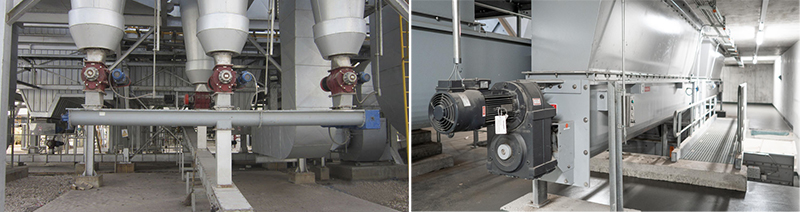
Polypropylene for auger conveyor is widely used where corrosion resistance, light weight and low maintenance are important. Compared with metal systems, PP material can provide practical advantages in chemical and humid environments. Choosing the correct design helps improve conveying efficiency and long-term reliability.
Q: Is polypropylene better than stainless steel for auger conveyors?
A: It depends on the application. Polypropylene can be suitable for corrosive and humid environments, while stainless steel is often preferred for higher temperatures, heavy loads or abrasive materials.
Q: Where are polypropylene auger conveyors commonly used?
A: They are commonly used in chemical plants, fertilizer processing, wastewater treatment systems, powder handling lines and other environments where corrosion resistance is important.
Q: Can a polypropylene auger conveyor be customized?
A: Yes. Diameter, length, inclination angle, motor power, inlet and outlet size, and support frame design can usually be customized according to process requirements.


Address:China,Yanjin county forest park gate to the west 1000 meters north road.


 Online Chat
 Email
Email