


A Metal Chip Screw Conveyor is designed to collect and transport metal chips, turnings, and machining scrap generated by CNC machining centers and other metalworking operations. It moves collected scrap from machine outlets or collection points to designated discharge locations, storage bins, or downstream processing equipment.
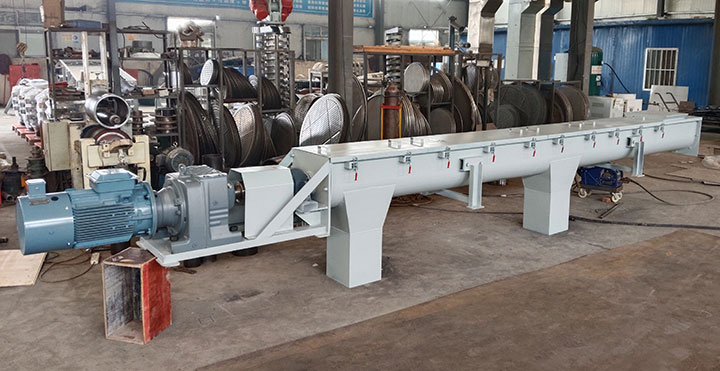
Dahan can assess metal chip conveying requirements according to the material type, chip shape, cutting-fluid content, required throughput, conveying distance, and installation layout. These details help determine a suitable conveyor configuration for the intended application.
Metal chips enter the conveyor through a feed opening connected to a machine outlet, collection hopper, or other designated loading point. As the screw rotates inside the trough or casing, the screw flights move the material along the conveying route toward the discharge point.
At the discharge end, the conveyed chips can be directed into a collection bin or transferred to compatible downstream equipment. Depending on the production layout, the conveyor may form part of a metal scrap handling line that includes chip collection, size reduction, liquid separation, or briquetting equipment.
The actual conveying arrangement depends on the conveyor design, chip shape, cutting-fluid content, required throughput, and installation direction. Long or tangled metal turnings may require particular attention when selecting the screw design and checking the risk of wrapping or material accumulation.

Metal chip screw conveyor specifications are selected according to the type of machining scrap, required throughput, conveying distance, installation layout, and operating conditions. The following ranges should be confirmed against the available equipment configurations.
| Conveying Capacity | 2–30 tons/hour, depending on material and configuration |
|---|---|
| Conveying Length | 1–40 m, subject to layout and conveyor design |
| Conveying Direction | Horizontal or inclined; vertical conveying requires a specifically designed configuration |
| Construction Material | Carbon steel or stainless steel, subject to operating conditions and availability |
Actual capacity and configuration depend on chip shape, metal type, cutting-fluid content, conveying distance, elevation change, and feed and discharge requirements. Contact Dahan with your operating details to confirm the suitable specifications for your metal chip handling application.
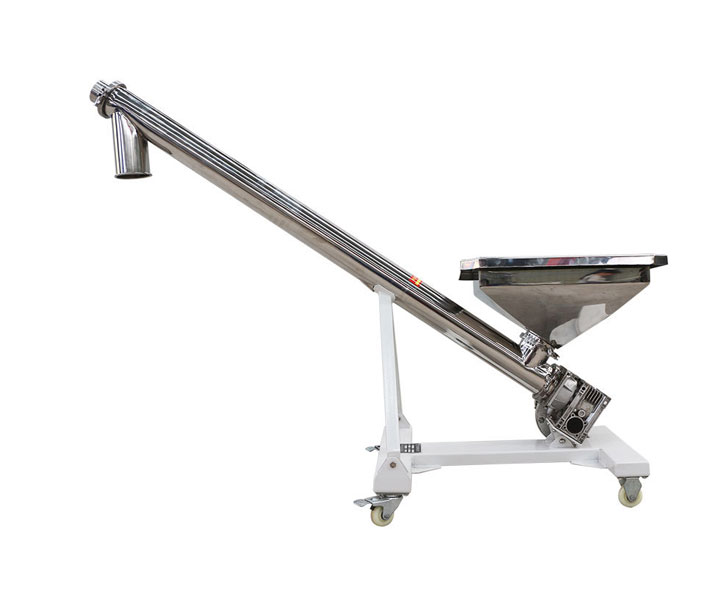
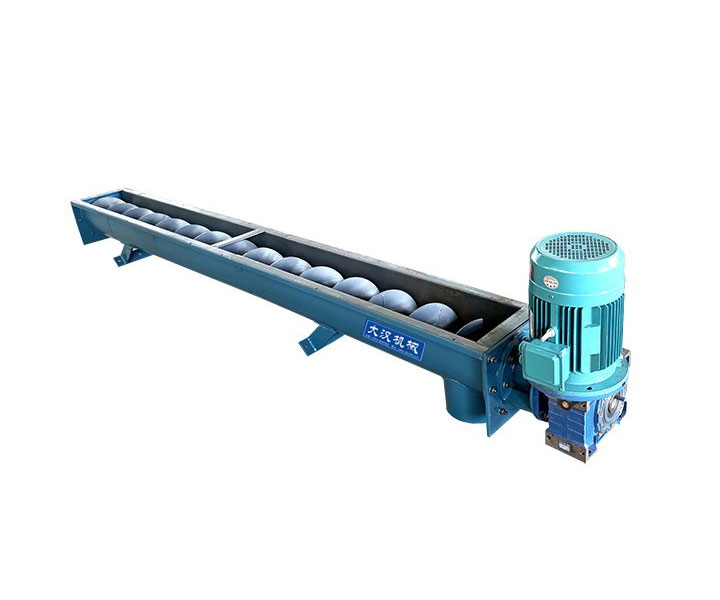
Metal chip screw conveyors can be configured in different ways according to the chip characteristics, required conveying route, available installation space, and discharge arrangement. Common options include U-shaped trough conveyors, tubular screw conveyors, shafted or shaftless designs, and inclined or vertical configurations where the selected equipment supports them. These features describe different aspects of the conveyor, so the final design may combine a suitable structure with the required installation direction.

U-shaped trough conveyors provide access for inspection and maintenance, making them an option for suitable horizontal conveying applications. Tubular screw conveyors use an enclosed casing that can help contain chips during transfer. Shafted and shaftless designs should be selected according to the chip shape, material flow characteristics, and risk of wrapping or accumulation; long or tangled metal turnings may require additional evaluation before a configuration is selected.
For inclined or vertical conveying, the conveyor must be designed for the required elevation change and the characteristics of the metal chips being handled. The appropriate arrangement depends on the conveying capacity, chip condition, available space, feed and discharge positions, and downstream equipment. Dahan can assess these requirements to determine a suitable configuration for the application.
A Metal Chip Screw Conveyor helps move machining chips and metal turnings from collection points to designated storage areas or downstream processing equipment. By integrating chip collection with mechanical conveying, manufacturers can reduce the need for manual material transfer and create a more organized metal scrap handling process.

The conveyor can be configured for the chip type, required conveying route, and available installation space. An enclosed conveying arrangement can help contain chips during transfer, while the screw design and trough structure should be selected according to chip size, shape, moisture or cutting-fluid content, and the risk of material wrapping or accumulation.
For CNC machining lines and other metalworking operations, a properly selected screw conveyor can support a more consistent transfer of collected scrap to a central bin, chip processing unit, or other designated discharge point. The appropriate configuration depends on the required throughput, conveying distance, elevation change, and connection with existing equipment.
To evaluate a suitablemetal chip conveying solution, provide the metal type, chip condition, estimated hourly output, conveying distance, and feed and discharge positions. These details help determine the appropriate conveyor structure and configuration for your application.
Metal Chip Screw Conveyors are used in CNC machining centers, metalworking workshops, and other manufacturing facilities to transfer metal chips and machining turnings from machine outlets or collection points to designated discharge locations. They can help organize scrap movement between machining operations and centralized collection areas.

epending on the production process, a conveyor may be arranged to discharge into a collection bin or connect with compatible downstream equipment for further chip handling. Where chip crushing, cutting-fluid separation, or briquetting is required, the transfer points and equipment compatibility should be assessed as part of the overall system layout.
Choosing a suitable screw conveyor for metal chips depends on the chip characteristics, required throughput, conveying route, and downstream processing requirements. Consider the following factors before selecting a configuration.
Chip Shape and Material Condition
Identify whether the material consists of short chips, curled turnings, or long, tangled scrap. Also specify the metal type, chip size, and whether cutting fluid or oil is present, as these conditions can affect screw design and material flow.
Required Conveying Capacity
Estimate the amount of scrap generated per hour and whether feeding is continuous or intermittent. The required throughput should be evaluated alongside chip characteristics and material condition; actual capacity depends on the selected conveyor design and operating conditions.
Conveying Route and Equipment Layout
Provide the conveying distance, elevation change, installation space, and feed and discharge positions. Also identify any connected equipment, such as collection hoppers, chip crushers, liquid separation units, or briquetting machines. These details help determine a suitable conveying arrangement.
Construction and Operating Environment
Specify the working environment, cleaning requirements, and material-contact conditions to help determine whether carbon steel or stainless steel construction is appropriate. Available materials and conveying configurations should be confirmed for the specific application.
To request a Metal Chip Screw Conveyor quotation, provide the metal type, chip shape, wet or dry condition, estimated hourly output, conveying distance, elevation change, and feed and discharge positions. Dahan can assess these details to identify a suitable configuration.
It transfers metal chips and machining turnings from machine tools or collection points to designated storage areas or downstream processing equipment.
It may be suitable for wet or oil-contaminated chips, depending on chip shape, cutting-fluid content, and conveyor design. The material condition should be confirmed before selecting a configuration.
Provide the metal type, chip shape, wet or dry condition, required throughput, conveying distance, elevation change, and feed and discharge positions. These details help determine a suitable conveyor configuration.
Looking for a conveyor for CNC machining chips or metal turnings? Send Dahan your material details, estimated hourly output, conveying distance, elevation change, and feed and discharge requirements. Our team can assess your application and discuss a suitable conveyor configuration.
Contact Dahan to discuss your metal chip conveying requirements.


Address:China,Yanjin county forest park gate to the west 1000 meters north road.


 Online Chat

 Email