Conical Screw Mixer Price Guide: How to Get the Best Value for Your Investment
When sourcing industrial mixing equipment, the question of price is almost always the first consideration
However, for a capital investment like a conical screw mixer, the "price tag" alone tells only a fraction of the story. The real question is: how do you get the best value for your investment?
This guide breaks down what determines the cost of a conical screw mixer, provides realistic price ranges, and helps you make a smart purchasing decision that balances upfront cost with long‑term performance and reliability.
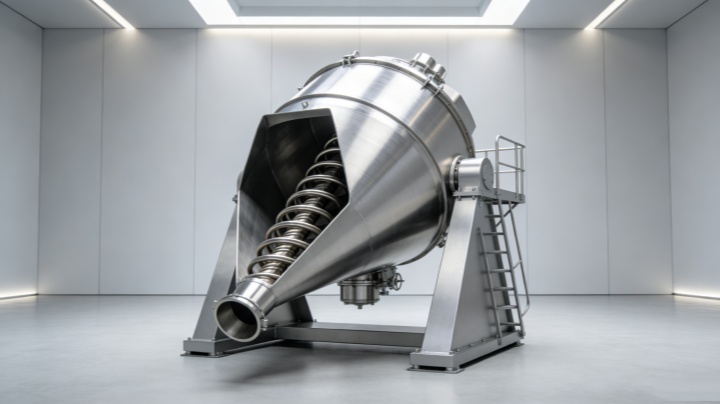
What Determines the Price of a Conical Screw Mixer?
Conical screw mixers are not off‑the‑shelf commodities. They are engineered equipment with configurations that vary widely based on application requirements. The final price is driven by several key factors:
Material of Construction
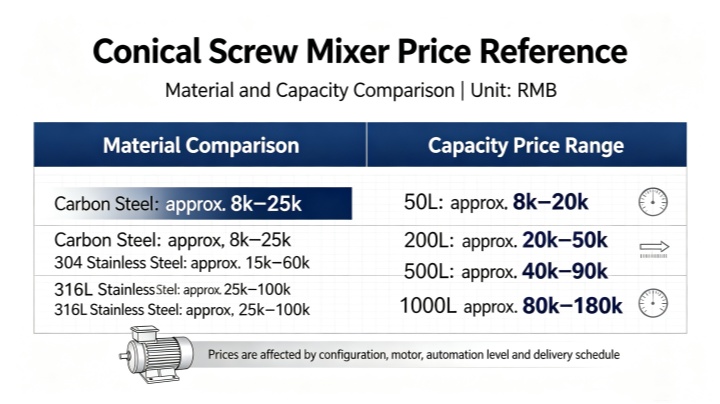
The contact parts—the components that physically touch your materials—are the biggest cost driver. Manufacturers typically offer three main options:
-
Carbon Steel: The most economical choice, suitable for non‑corrosive, general‑purpose applications. A 1000L carbon steel unit typically ranges from $3,000 to $5,000.
-
Stainless Steel 304: A popular upgrade offering good corrosion resistance and hygiene, commonly used in food and chemical industries. The same 1000L capacity in 304 stainless steel will cost approximately $5,000 to $8,000.
-
Stainless Steel 316/316L: The premium option for highly corrosive environments or pharmaceutical and food applications requiring strict hygiene standards. This can push the price to $8,000 to $12,000 for a 1000L unit.
Your choice should be based on the chemical properties of your materials and the required cleanliness standards of your industry.
Capacity and Size
The working volume is a straightforward cost factor. Smaller units are naturally more affordable, while larger production‑scale models command higher prices.
|
Capacity Range |
Typical Application |
Approximate Price Range (USD) |
|
Lab / Pilot Scale (5L – 200L) |
R&D, small‑batch testing |
$2,000 – $12,000 |
|
Small Production (300L – 500L) |
Small‑scale manufacturing |
$3,800 – $15,000 |
|
Mid Production (1000L – 3000L) |
Standard production lines |
$15,000 – $55,000 |
|
Large Production (4000L – 10,000L+) |
High‑volume industrial processing |
$60,000 – $150,000+ |
Keep in mind that these are general estimates. A 300L double‑screw unit, for example, can be found in the $3,800–$4,000 range, while smaller stainless steel models for feed mixing can be as low as $200–$620.
Key Configurations and Features
This is where costs can escalate, but also where you pay for critical functionality:
-
Screw Configuration: The number of screws impacts mixing efficiency. While single‑screw mixers are available, twin‑screw (double‑screw) designs are more common and effective for a wider range of materials. The additional screw and complex gearing naturally increase the cost.
-
Heating/Cooling Jackets: Essential for temperature‑sensitive processes or drying applications. Adding a jacket typically adds 15%–30% to the base price.
-
Vacuum Systems: Crucial for vacuum drying or mixing under inert atmospheres to prevent oxidation. This can increase costs by 20%–40%.
-
PLC Control and Automation: Fully automated systems with programmable logic controllers (PLC) allow for precise, repeatable processes and data logging. Expect a premium of 30%–50% over manual controls.
-
Explosion‑Proof Design (ATEX): Mandatory for many chemical and powder‑handling applications in classified hazardous areas. ATEX‑certified models come with a significant cost increase, often 30% or more.
-
Surface Finish: Pharmaceutical and food applications often require high‑polish finishes (mirror or sanitary) to facilitate cleaning and prevent contamination, adding to manufacturing time and cost.
Manufacturing Origin and Brand
The manufacturer's location and reputation are also reflected in the price. Equipment from established brands with long histories and proven engineering—such as those with Israeli or European design roots—often commands a higher price point due to perceived quality, reliability, and after‑sales support. As one industry source notes, "PerMix's strong advantages over other competitors are 60 years of Designed‑in‑Israel know‑how along with competitive Made‑in‑China prices," offering a balance of advanced engineering and cost‑effectiveness.
General Price Range Summary
To help you quickly calibrate your budget, here is a consolidated view of typical price brackets for new conical screw mixers:
-
Entry‑Level / Basic Models (Carbon Steel, Small Capacities): $2,000 – $8,000. Suitable for simple, non‑critical applications with dry, non‑abrasive materials.
-
Mid‑Range Workhorses (304 Stainless Steel, 300L – 1500L): $10,000 – $55,000. The sweet spot for most chemical, food, and cosmetic manufacturers. Offers a good balance of performance, durability, and cost.
-
High‑End / Custom Solutions (316L Stainless Steel, Large Capacities, Full Automation, ATEX): $60,000 – $150,000+. Designed for demanding pharmaceutical, battery material, and fine chemical processes that require strict control, documentation, and purity.
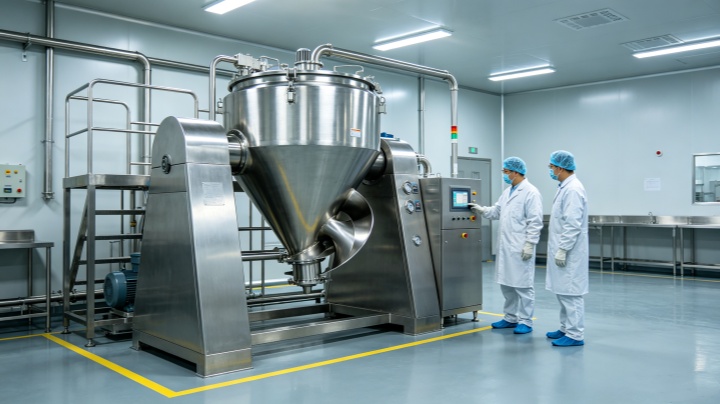
How to Get the Best Value for Your Investment
Value is not about finding the cheapest unit; it's about finding the unit that best fits your operational needs over its entire lifecycle. Here's how to achieve that:
Focus on Total Cost of Ownership (TCO)
A lower upfront price can be deceptive. Consider these long‑term costs:
-
Energy Consumption: Conical screw mixers are inherently energy‑efficient due to their low‑speed operation. However, a poorly engineered drive system can waste electricity.
-
Maintenance and Downtime: Cheap mixers often use inferior seals, bearings, and motors that fail prematurely, leading to costly downtime and repairs. Investing in a reliable brand with accessible spare parts minimizes these risks.
-
Product Yield: A mixer with poor design or inferior finish can leave up to 5%–10% of your valuable product behind as residual material. A high‑quality unit with a well‑designed discharge valve and polished internals can reduce residue to as low as 0.001%, directly saving you money on every batch.
Match the Mixer to Your Material
Don't over‑specify or under‑specify.
-
If you have delicate, heat‑sensitive or friable materials (like pharmaceutical APIs or flavors), a gentle mixing action is non‑negotiable. You'll need a high‑quality unit with precise speed control, likely in the mid‑to‑high price range.
-
If you're mixing durable, free‑flowing powders (like some fertilizers or simple pigments), a well‑constructed carbon steel or 304 stainless model will provide excellent value without the need for premium features.
Insist on a Clear Quote
When requesting quotations, ask for a detailed breakdown that includes:
-
Base price per capacity and material.
-
Price of each option (jacket, vacuum, PLC, ATEX).
-
Spare parts kit cost (recommended).
-
Delivery terms (Incoterms).
This transparency allows you to compare "apples to apples" and understand exactly what you are paying for.
Verify the Supplier's Engineering Capability
A supplier that understands your process is more valuable than a simple order‑taker. Look for manufacturers that offer:
-
Customization: Ability to tailor the mixer's design, materials, and features to your specific application.
-
After‑Sales Support: Clear warranty terms, availability of technical support, and a proven track record of export experience.
Conclusion
The price of a conical screw mixer can range from a few thousand dollars for a basic lab unit to over a hundred thousand for a high‑spec industrial system. The key to success is to view this not as a commodity purchase, but as a strategic investment.
By understanding the factors that influence cost—from materials and capacity to critical features like automation and certification—you can make an informed decision that delivers the best performance, reliability, and return on investment for your specific needs.


 Online Chat
 Email
Email