


Choosing a mobile conveyor for truck loading starts with the loading job, not the machine dimensions. If you are looking to choose a mobile conveyor for truck loading, consider the material being handled, the required loading rate, the distance to the truck and the height of its bed. The frequency of repositioning also matters when one conveyor must serve several loading bays or truck sizes.
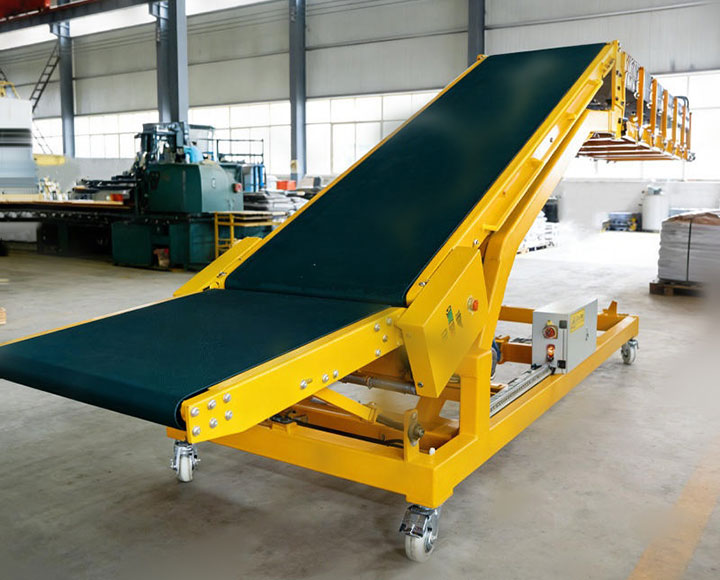
Before selecting a model, check how the material will be fed onto the belt, where it needs to discharge and how much room is available around the vehicle. These details help determine the required conveyor length, belt width, incline and mobility. This guide explains the key selection factors and the information to prepare when requesting a suitable truck loading conveyor.
Before choosing a mobile conveyor, look at the entire loading process rather than the truck alone. Four factors help narrow down the right configuration.
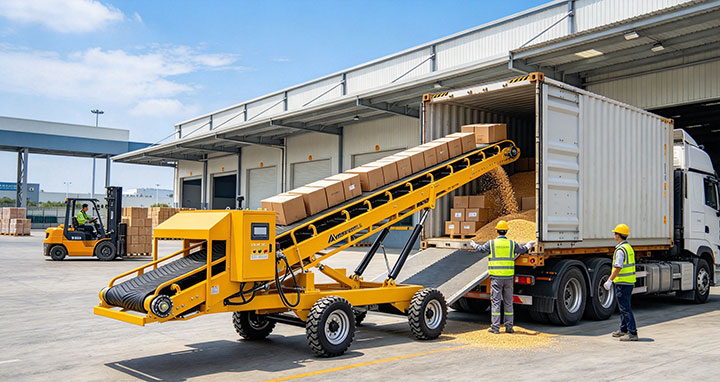
Material characteristics: Grain, sand, aggregates and bagged products place different demands on the conveyor belt. Consider particle size, bulk density, moisture content and whether the material can roll, slip or spill during transfer.
Loading demand: Estimate how much material must be loaded within a given period and whether the feed will be continuous or intermittent. A conveyor that handles the average workload may still struggle during peak loading periods.
Truck dimensions and access: Check the height of the truck bed, the distance from the feeding point to the vehicle and the space available for positioning the conveyor. These measurements determine whether the conveyor can reach the loading area without awkward repositioning.
Mobility and working conditions: Consider how often the conveyor must move, whether several trucks share the same loading area and what power supply is available. Frequent changes between loading positions may call for a different arrangement from a conveyor that stays in one location for most of the shift.
Choose conveyor specifications based on the material, required loading rate and truck dimensions. Four factors help determine the right configuration:
Provide these details, along with the material type, when requesting a conveyor recommendation from the supplier.
The right conveyor design depends on how trucks are positioned and where the material needs to be discharged. Consider these common configurations:
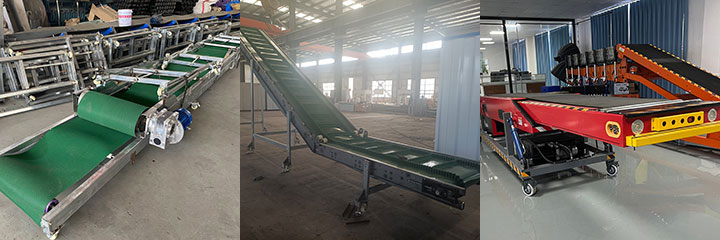
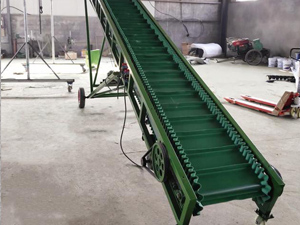
Wheel-Mounted Mobile Belt Conveyor: Suitable for loading areas where the conveyor needs to be moved between trucks or loading positions. Check the available floor space and whether the conveyor can be positioned safely during operation.
Height-Adjustable Mobile Conveyor: Useful when truck bed heights or discharge points vary. Confirm the required adjustment range and whether the conveyor can maintain a suitable conveying angle at different heights.
Telescopic Conveyor: Worth considering when the discharge point needs to move farther into the truck or reach different positions without repeatedly moving the entire machine. The required extension length and available installation space should be checked before selection.
These designs address different loading requirements and may have overlapping features. Choose according to the actual truck layout, required reach and frequency of repositioning rather than mobility alone.
Different materials behave differently on a conveyor belt, so belt selection and loading conditions should match the material being handled.
Grain, sand and aggregates: Free-flowing bulk materials need a belt and feed arrangement suited to their particle size and loading rate. Damp sand or fine particles may increase the risk of buildup and spillage, while heavy aggregates require the conveyor to be sized for the expected load.
Bags and packaged products: Package dimensions, weight and bottom surface affect how products move along the belt. The belt should provide adequate support and width to prevent packages from slipping, tipping or colliding during transfer.
Materials prone to slipping or spilling: For inclined conveying or irregular loads, check whether the belt surface provides sufficient grip under actual operating conditions. The feeding point and conveying angle should also be considered to keep material transfer stable.
Before ordering, check whether the proposed conveyor will work with the actual loading layout and daily operating routine. A mismatch can lead to delays, extra handling or avoidable material loss.
Insufficient reach or loading height: Confirm that the conveyor can reach the intended discharge position inside the truck. Allow for differences in truck dimensions and the space needed to position the equipment.
Belt slippage and material spillage: Loose, damp or irregular material may spill if the belt surface, loading angle or feed arrangement is unsuitable. Review these conditions using the actual material rather than relying on general specifications alone.
Difficult repositioning: If one conveyor serves several loading bays, check turning clearance, ground conditions and access around parked trucks. The moving arrangement should fit the available site space.
Capacity mismatch: Make sure the conveyor can keep pace with the upstream feeding equipment and the required truck-loading schedule. The effective loading rate depends on both the conveyor configuration and how consistently material is supplied.
The cost of a mobile conveyor for truck loading depends on the configuration required for the job. Conveyor length, belt width, lifting mechanisms and telescopic features can all affect the final price.Other cost factors include the drive system, belt specifications, mobility requirements and modifications for the working environment. A conveyor used along a straightforward loading route may require a different configuration from one that serves trucks of varying sizes.
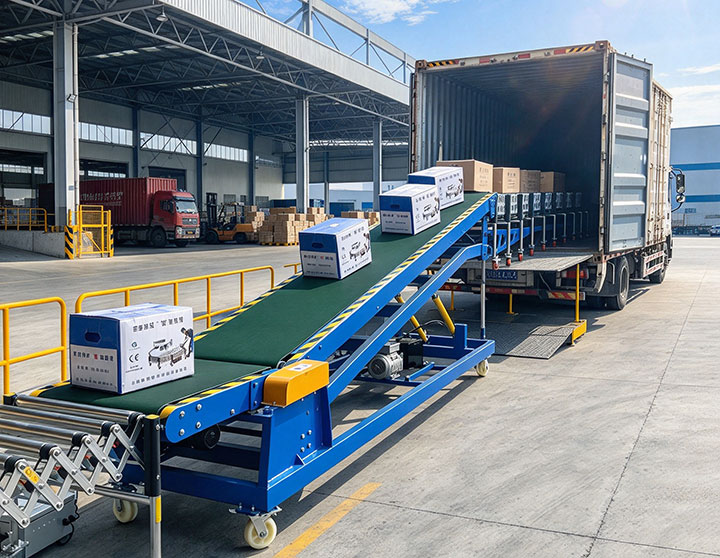
For a more accurate quotation, provide the material type, required capacity, truck bed height, loading distance and operating conditions. These details help the supplier assess the application and recommend a suitable configuration.
To receive a suitable conveyor recommendation, prepare the following details before contacting the supplier:
With these details, Dahan can assess your loading requirements and recommend a suitable mobile conveyor configuration. Explore our mobile conveyor for truck loading to discuss a solution for your application.
Measure the distance from the feeding point to the required discharge position, taking the truck's position and available operating space into account. The conveyor length and incline should allow it to reach the loading area without interfering with vehicle movement.
Yes, if its working length, discharge height and positioning range suit the trucks being handled. If truck bed heights vary significantly, consider a height-adjustable configuration and confirm its adjustment range before ordering.
Loading capacity depends on belt width, belt speed, material characteristics and how consistently material is fed onto the belt. Provide the required throughput and material details so the conveyor can be sized for the actual loading conditions.
Need a mobile conveyor for loading grain, sand, aggregates or other bulk materials into trucks? Share your material type, required capacity, truck bed height and loading distance with Dahan. Our team can review your requirements and help identify a suitable conveyor configuration.
View our mobile conveyor for truck loading or contact us with your application details to request a solution and quotation.


Address:China,Yanjin county forest park gate to the west 1000 meters north road.


 Online Chat


 Email