


Choosing an elliptical vibrating screen model requires more than matching a machine to a target hourly output. Two screening jobs with similar capacities may need different deck dimensions or configurations because their feed sizes, separation targets, and material flow rates differ. Before settling on a model, it is worth checking these operating details against the available specifications. This helps narrow the options to a machine that fits the actual screening task and production line.
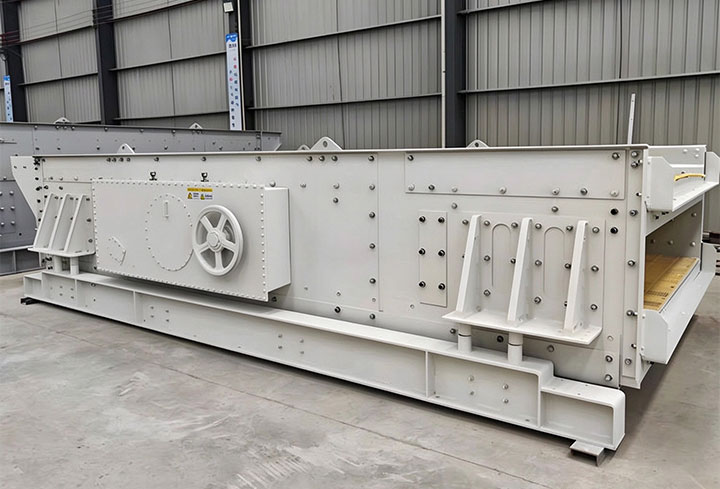
Before comparing elliptical vibrating screen models, define the screening task in terms of five key parameters:
Required capacity: Specify the target throughput in tons per hour, including any expected peak feed rate.
Feed material: Identify the material and provide its bulk density, moisture content, and particle characteristics.
Feed particle size: State the maximum feed size and, where available, the particle size distribution.
Separation requirements: Define the target particle sizes and the number of product fractions required.
Installation constraints: Confirm the available footprint, overall height, and connection points in the existing production line.
These details help narrow the model options before comparing technical specifications. A model that meets the required throughput on paper may still need a different configuration if the feed conditions or separation targets are not the same.
Screen dimensions should be selected according to the required throughput and the material passing across the deck. A wider screen provides more space for material distribution, while a longer screening surface gives particles more time to pass through the openings. The right balance depends on the feed condition and the required separation result.
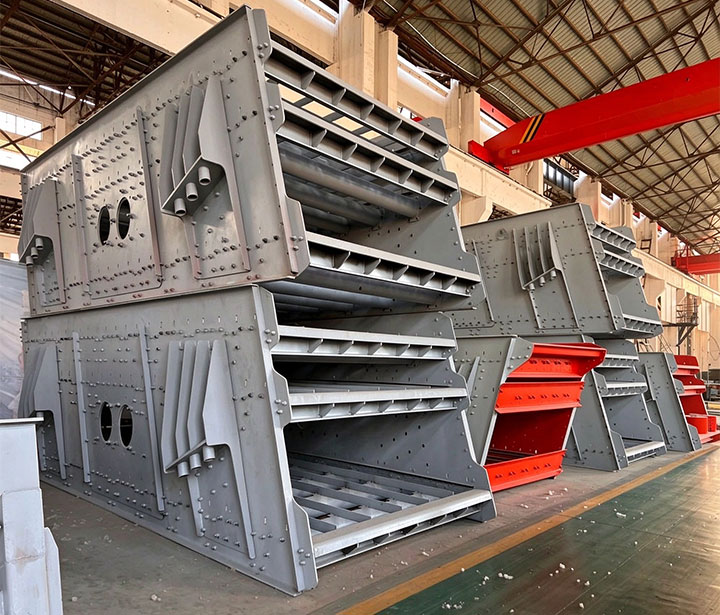
When comparing elliptical vibrating screen sizes, consider these factors:
Feed distribution: Material should spread across the deck rather than accumulate in a narrow section.
Screening area: The effective screening surface must suit the target output and separation requirements.
Material flow: A high feed rate or uneven loading may reduce screening efficiency even when the nominal capacity appears sufficient.
Use the required hourly output as a starting point, then confirm the screen dimensions against the actual material and screening conditions. The final model should be selected from verified capacity data for the intended application, not from deck size alone.
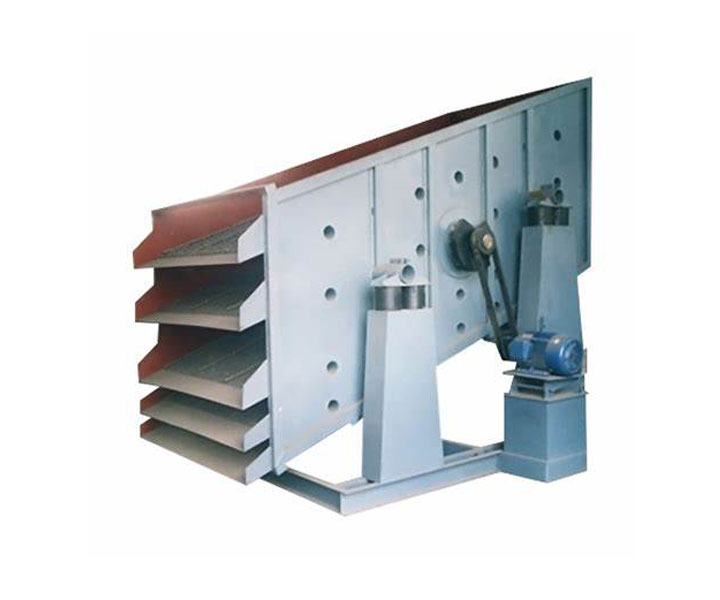
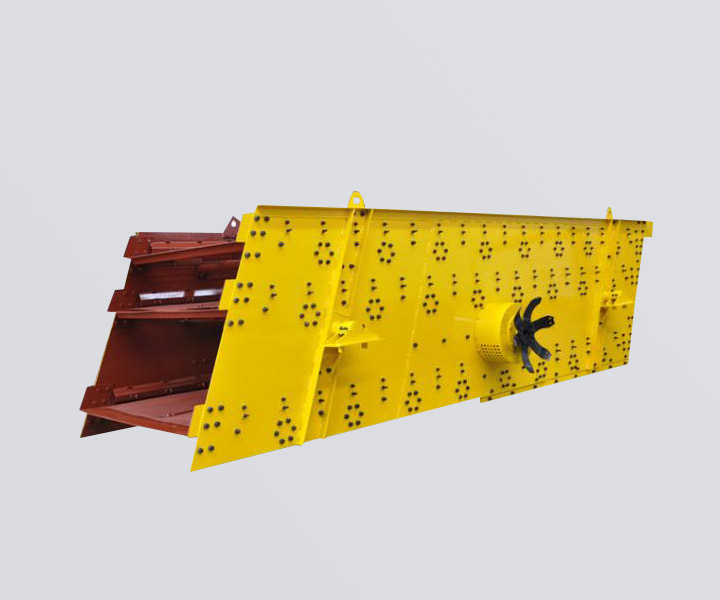
The number of screen decks depends on how many particle size fractions the production line needs to separate. A single deck typically separates the feed into two fractions, while two decks can produce three fractions when fitted with suitable screen openings.
Single deck: Suitable when one screening cut is required to separate oversize material from undersize material.
Double deck: Suitable for separating material into three size fractions using two different screen openings.
Multiple decks: Worth considering when the process requires several graded products from one screening stage.
Before choosing a multi-deck elliptical vibrating screen, confirm the required cut sizes and the output expected from each deck. More decks do not automatically mean better screening; the configuration must match the actual grading task and the machine's available specifications.
Feed particle size and screen aperture serve different purposes in model selection. The feed size describes the material entering the machine, while the aperture determines which particles can pass through the screen under actual operating conditions.
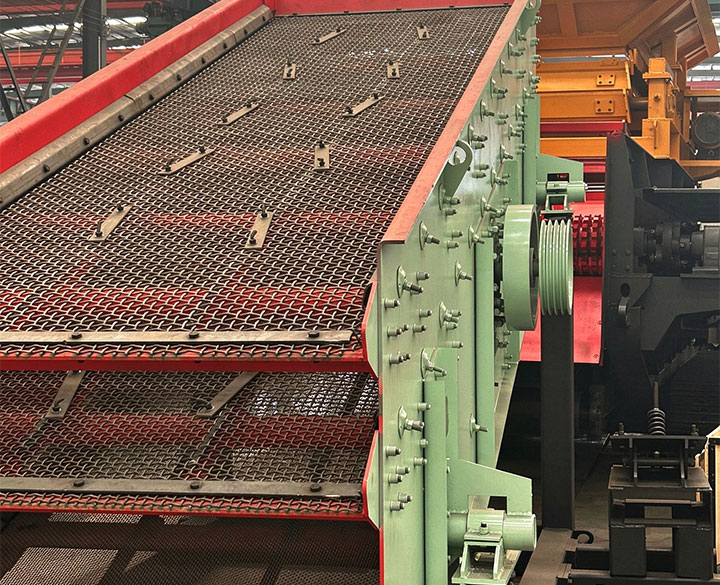
Before confirming an elliptical vibrating screen model, check three details:
Maximum feed size: Make sure the incoming material is within the machine's specified feed-size limits.
Target cut size: Select the screen aperture according to the required separation point, allowing for the actual particle size distribution.
Screen media: Confirm that the selected mesh or perforated plate provides the required openings and suits the material being screened.
When the target cut size is close to the dominant particle size in the feed, separation can become more demanding. Providing a representative particle size distribution helps the manufacturer assess the screen aperture and configuration more accurately.
Even when the screening specifications are clear, operating conditions can affect the final elliptical vibrating screen configuration. Material that flows freely under dry conditions may behave differently when moisture causes particles to stick together or accumulate on the screen.
These conditions should be reviewed before the configuration is finalized. If the material's behavior is uncertain, a representative sample can help the manufacturer assess the screening requirements before recommending a model.
Use the following checklist to organize the information needed for model selection. Confirm as many details as possible before requesting a quotation.
| Selection Item | Information to Prepare |
|---|---|
| Required capacity | Target throughput and peak feed rate (t/h) |
| Feed material | Material name, moisture content, and bulk density |
| Feed size | Maximum particle size and size distribution |
| Screening target | Required cut sizes and final product fractions |
| Screen configuration | Number of decks and required screen apertures |
| Installation conditions | Available space and connection requirements |
| Operating schedule | Hours per day and expected feed fluctuations |
If some parameters are not yet available, identify the missing information rather than estimating it. The manufacturer can then determine whether further material testing or technical confirmation is needed before selecting a suitable model.
Yes. A screen can separate different particle size fractions when its screen apertures and deck configuration match the required cut sizes. The suitable setup depends on the feed material and the grading targets.
Not necessarily. Capacity also depends on material properties, feed distribution, screen openings, and separation requirements. The model should be selected using verified capacity data for the actual operating conditions.
Preliminary selection is possible when reliable material and process data are available. For difficult-to-screen materials or demanding separation targets, a representative material test may help verify the proposed configuration before purchase.


Address:China,Yanjin county forest park gate to the west 1000 meters north road.


 Online Chat
 Email