


In chemical powder processing, selecting a sub-optimal screening machine creates a ripple effect of hidden expenses that quickly eclipses the initial equipment price. When a separator fails to match the specific physical and chemical demands of a formulation, processing lines routinely encounter costly production bottlenecks.
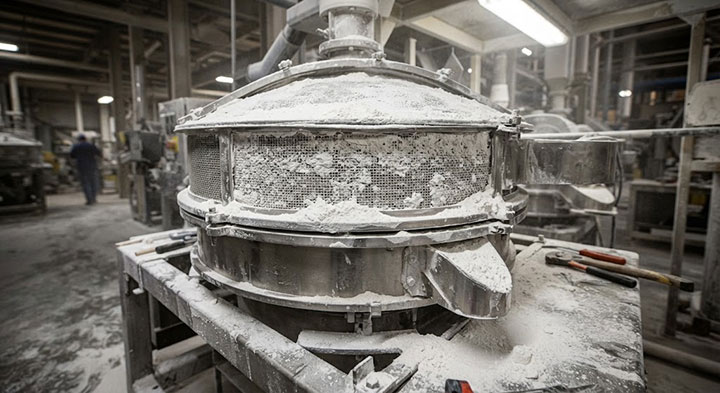
The most immediate impact is unplanned downtime driven by severe mesh blinding and frequent manual cleaning cycles. For chemical manufacturers handling fine or cohesive powders, constant interruptions destroy operational efficiency. Furthermore, inefficient separation leads to off-spec product batches, resulting in material waste or expensive reprocessing cycles. Overlooking critical factors like dust containment or explosion safety can also trigger regulatory compliance risks and severe workplace hazards.
Choosing the right screening technology from the outset protects your throughput, safeguards product purity, and protects your bottom line against recurring operational failures.
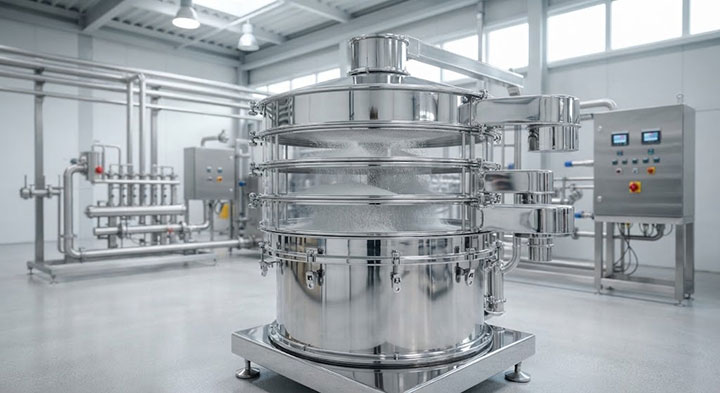
No two chemical powders behave identically on a screening surface. Matching machinery performance to your specific material properties is the foundation of a stable production run. Before choosing a separator, evaluate these four critical parameters:
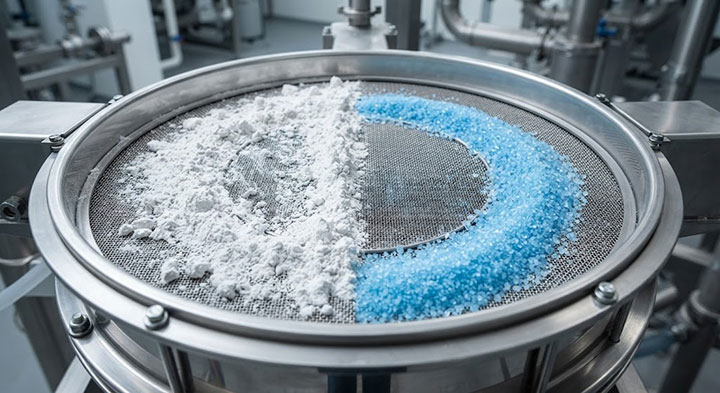
Different chemical formulations require distinct mechanical actions. Aligning your production goals with the correct equipment type eliminates trial-and-error costs:
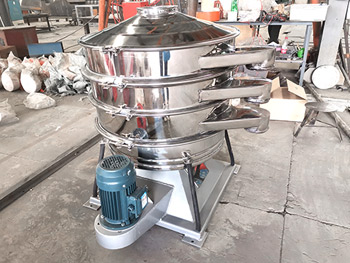
| Equipment Type | Equipment Image | Primary Mechanical Action | Best Suited For Chemical Application |
|---|---|---|---|
| Vibro Sifter |
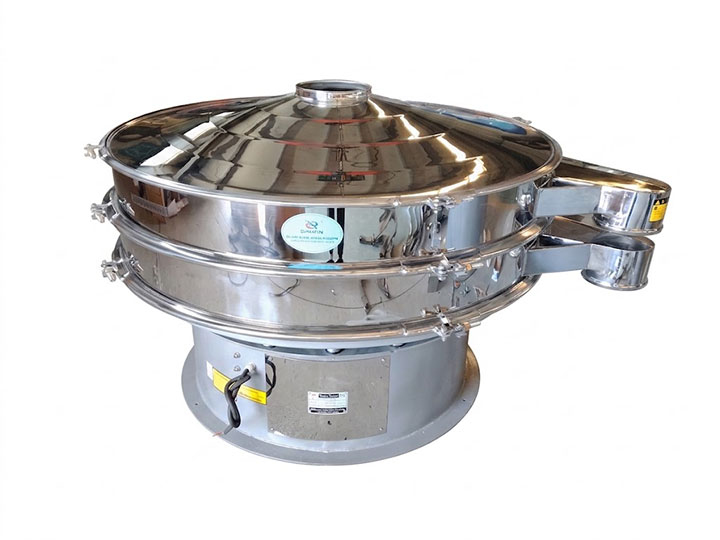 |
Multi-frequency 3D vibration | General powder grading, impurity removal, and liquid-solid filtration. |
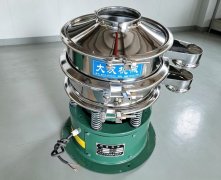
| Ultrasonic Vibrating Screen |
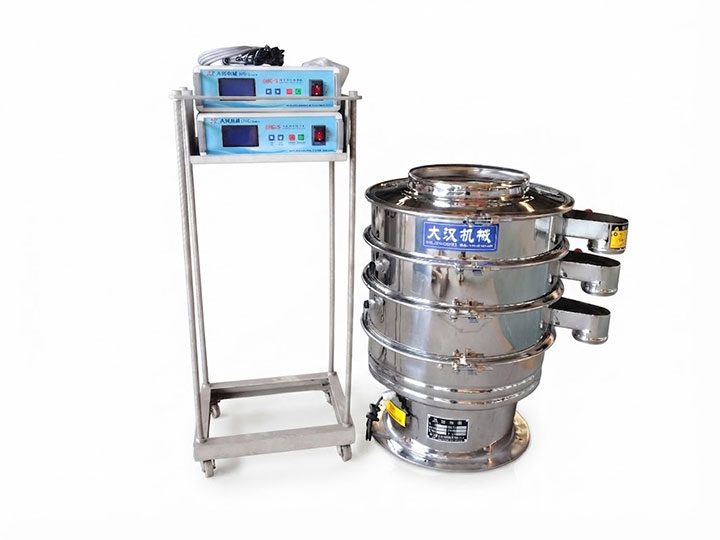 |
Vibration + High-frequency ultrasonic waves | Ultra-fine powders (200-630 mesh) prone to severe blinding and static. |
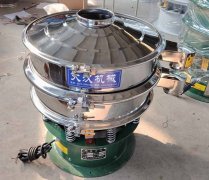
| Tumbler Screen |
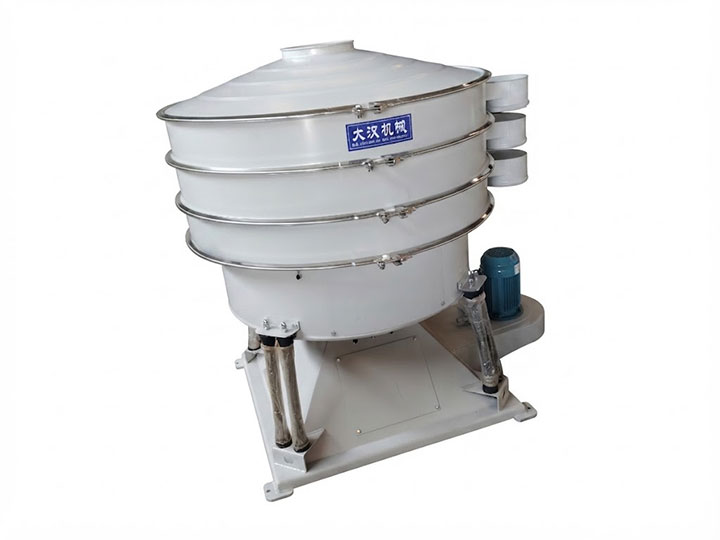 |
Gentle orbital rocking motion | High-capacity, multi-deck classification of fragile or abrasive particles. |
Selecting based on process demands rather than generic categories ensures maximum separation accuracy and long-term equipment durability.
Watch in Action: Dahan Powder Vibro Sifter running smoothly in chemical screening.
When purchasing screening machinery for chemical processing lines, standard commercial specifications are insufficient. Engineers and procurement teams must evaluate four non-negotiable engineering factors:
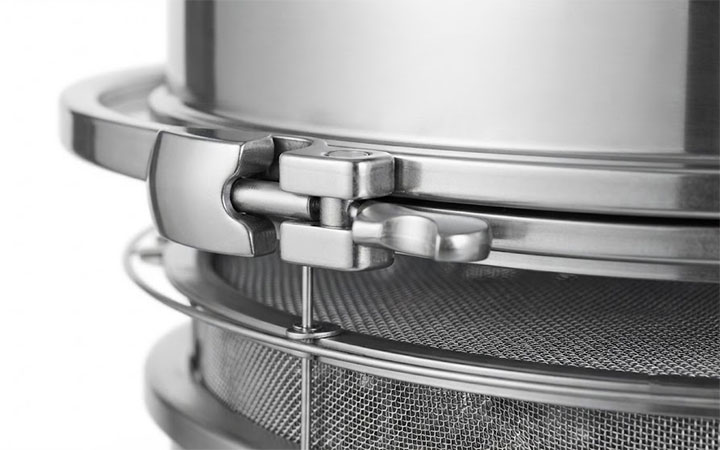
A screening machine rarely operates as an isolated island; its performance relies entirely on seamless integration with upstream feeding systems and downstream packaging loops.
Evaluating your plant’s spatial layout, headroom limitations, and discharge angles during the initial design phase ensures that the new screening unit slots smoothly into your current workflow without disruptive architectural modifications.
Even with proper equipment selection, chemical plant operators frequently encounter operational roadblocks. Addressing these hurdles quickly prevents major throughput losses:
Watch in Action: High-Accuracy Ultrasonic Vibrating Screen preventing mesh blinding for fine powders.
Watch in Action: Tumbler Screening Machine operating for high-capacity, gentle particle separation.
For fine or adhesive powders, standard mechanical vibration is often insufficient. Integrating an ultrasonic deblinding system converts electrical energy into high-frequency, low-amplitude mechanical vibrations on the mesh, effectively breaking surface tension and preventing particle buildup.
Yes. For combustible or flammable chemical applications, we equip our separators with explosion-proof motors, specialized grounding components, and sealed electrical control cabinets to align with industry safety requirements.
To resist chemical corrosion and prevent batch contamination, we typically use high-grade SUS304 or SUS316L stainless steel with finely polished internal surfaces, ensuring compliance with strict manufacturing hygiene standards.
Absolutely. Our engineering team can adjust overall heights, modify inlet/discharge outlet angles, and design compact configurations to match your exact spatial limitations and upstream-downstream integration requirements.
Choosing the right manufacturing partner is just as critical as selecting the correct machine. At Dahan Machinery, we focus on de-risking your capital investment by combining deep engineering expertise with rigorous material testing protocols.
With over 18 years of dedicated experience in industrial sieving and separation, we understand the stringent demands of chemical processing environments. Every unit we manufacture undergoes strict quality supervision—from raw material selection using premium stainless steel to precise dynamic balancing and pressure testing.
Whether you require custom-engineered explosion-proof configurations or specialized ultrasonic deblinding systems, our technical team works closely with your plant engineers to deliver reliable, repeatable performance from day one.
Choosing the correct screening equipment doesn't have to be a guessing game. If you are facing throughput bottlenecks, mesh blinding, or planning a new chemical powder line expansion, our engineering team is ready to assist.
Contact Dahan Machinery today to discuss your material specifications, request a free material testing report, or get a tailored layout proposal designed specifically for your processing plant.


Address:China,Yanjin county forest park gate to the west 1000 meters north road.


 Online Chat

 Email
Email