


In food processing, an industrial screening machine is a critical safeguard for product safety and brand reputation, operating under strict zero-tolerance policies for contamination and microbial risks. Achieving high material purity eliminates oversized particles and impurities prior to packaging while ensuring compliance with FDA and HACCP standards to prevent costly product recalls and regulatory fines.
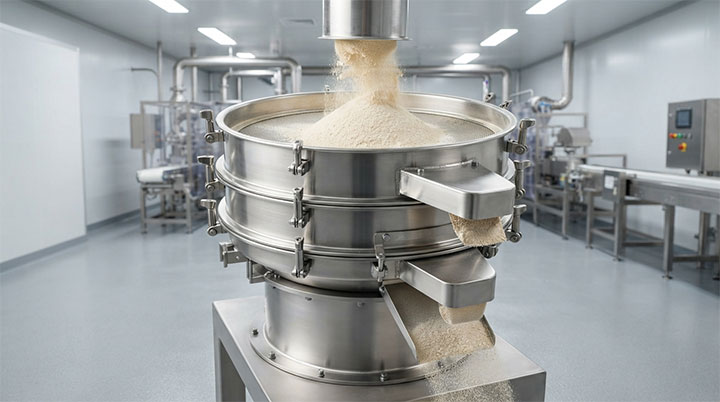
The baseline for a food-grade industrial screening machine starts with its metallurgy and structural integrity. To prevent batch contamination and resist corrosion from food acids, organic residues, or harsh sanitizing chemicals, all product-contact parts should be fabricated from premium Stainless Steel 304 or 316L.
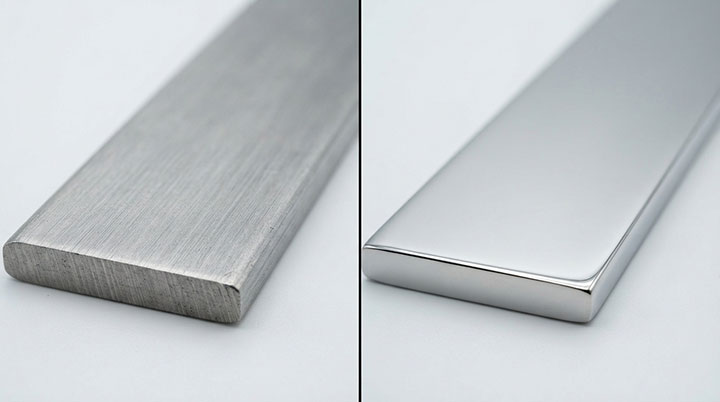
However, material grade alone does not guarantee hygienic performance. When evaluating equipment for your processing line, our engineering team recommends verifying the following sanitary execution details:
Mirror-Polished, Burr-Free Surfaces: All internal contact surfaces must be ultra-smooth and seamlessly polished to eliminate microscopic crevices or burrs where bacteria and organic residues can accumulate.
Hygienic Structure (Dead-Zone-Free Design): An optimized internal geometry minimizes residual material traps and facilitates complete, self-draining evacuation during sanitation cycles.
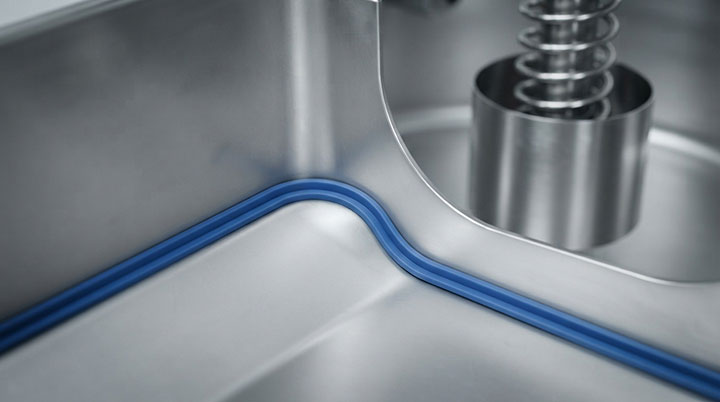
Food-Grade Seals: Gaskets and sealing rings should utilize FDA-compliant silicone or PTFE rather than standard industrial rubber, preventing chemical leaching and degradation.
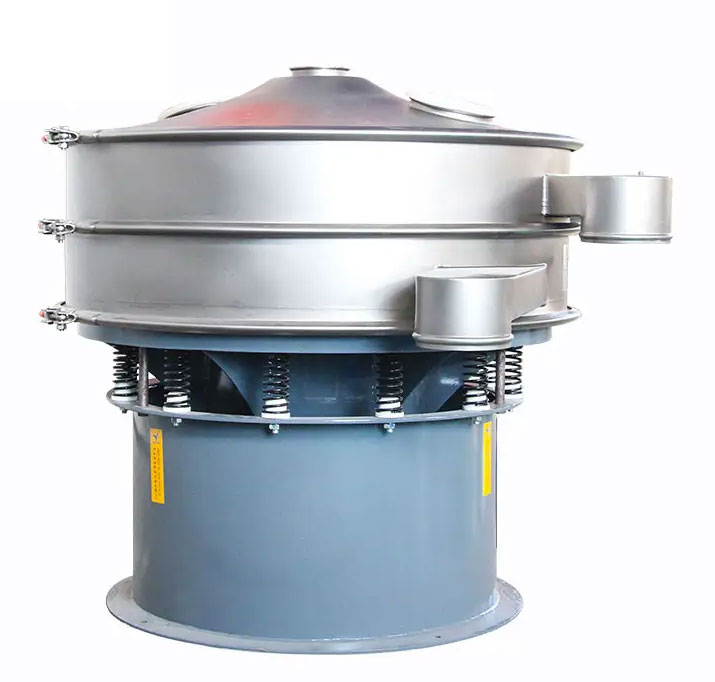
Protected Mechanical Components: High-grade food sifters incorporate protective SUS304 stainless steel shrouds around suspension springs, isolating the mechanical wear zone from the clean processing environment and making daily washdowns straightforward.
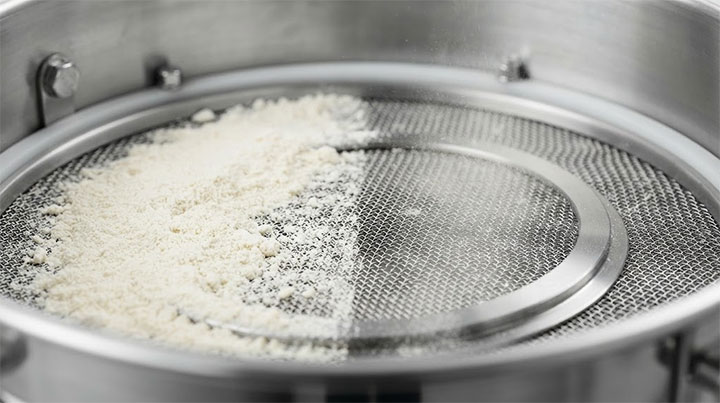
Sticky or ultra-fine food powders (such as cocoa powder, starch, milk powder, or fine sugar) frequently cause mesh blinding, severely dropping throughput. For standard free-flowing granules, mechanical bouncing balls provide adequate cleaning action; however, for electrostatic, cohesive micro-powders, integrating an ultrasonic de-blinding system is essential to maintain continuous, stable operation without damaging delicate mesh wires.
An effective screening solution must balance separation precision with peak hourly capacity. Aligning motor centrifugal force, screen deck diameter, and aperture size with your specific product volume prevents material backup, reduces over-grinding, and ensures consistent grading quality across shifts.
Food processing lines frequently experience rapid recipe changes and mandatory daily sanitization. Prioritize screening equipment equipped with quick-release toggle clamps, allowing operators to disassemble, inspect, and sanitize internal decks within minutes without specialized tools, thereby minimizing costly downtime.
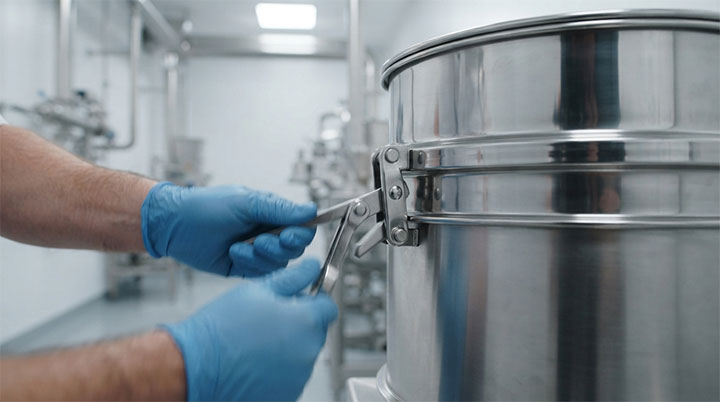
Evaluate your facility's vertical clearance and floor space constraints. A compact, low-profile industrial screening machine is typically required for gravity-fed processing lines or installations directly beneath bag-dump stations and mixing tanks.
Different food ingredients and moisture levels require distinct separation dynamics. The three most efficient machine configurations include:
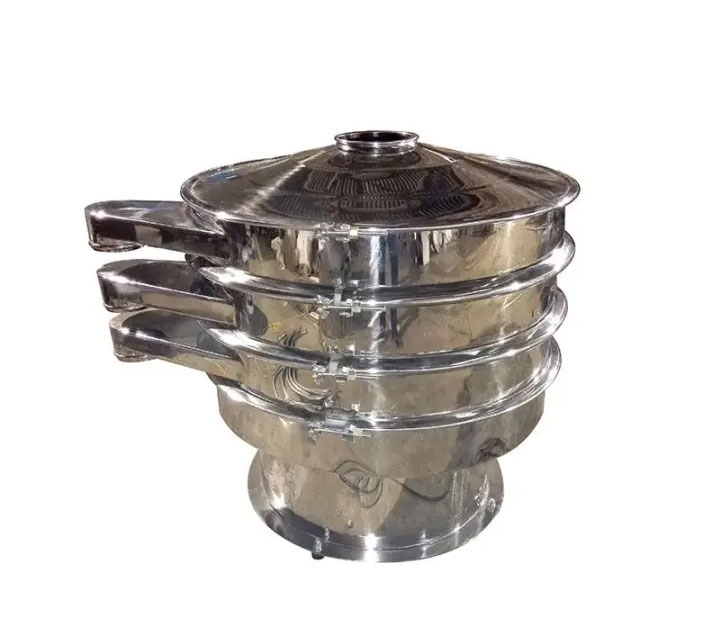
Standard Rotary Vibrating Sieves: The universal workhorse for food grading, safety screening, and impurity removal. Excellent for general spices, flour, grains, and food additives requiring multi-deck separation within a compact footprint.
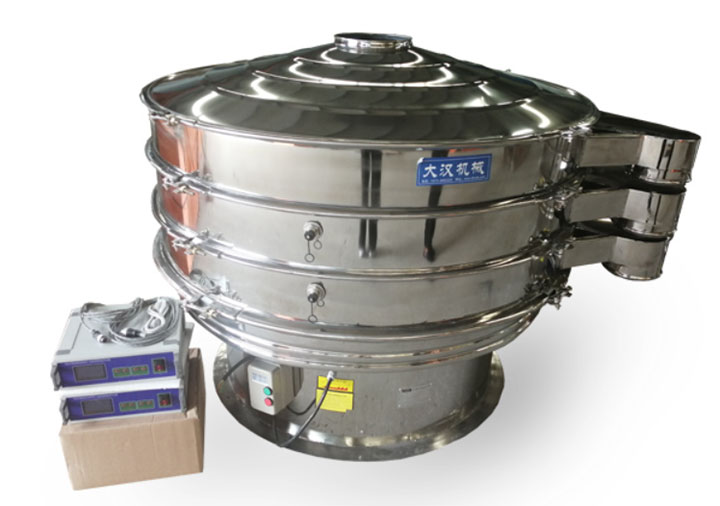
Ultrasonic Rotary Vibrating Sieves: Specially engineered for ultra-fine, static-prone, or sticky powders (e.g., dairy powders, modified starch, matcha, protein powder). The high-frequency ultrasonic wave disrupts surface tension and eliminates mesh blinding, significantly enhancing the pass rate of micro-powders.
Linear Vibrating Screens: The preferred choice for high-capacity, inline automated production. Ideal for processing large granules, dehydrated vegetables, breakfast cereals, nuts, and pellets that require a continuous, high-speed straight-line conveying and sorting flow.
Proactive maintenance protects food safety compliance and minimizes unexpected production downtime. Implement these three essential operational practices:
Daily Mesh Inspection: Check screen meshes for wire wear, micro-tears, or tension loss before starting each shift. In food processing, a compromised mesh compromises the entire batch.
Seal and Gasket Audits: Regularly inspect FDA-compliant silicone seals for cracking or degradation. Worn seals cause material leakage and create breeding zones for bacteria.
Motor and Clamp Checks: Verify that quick-release clamps are properly locked and vibration motors are maintained per schedule to prevent mechanical fatigue during heavy-duty cycles.
Food-grade screening machines primarily use premium Stainless Steel 304 or 316L for all product-contact parts. This ensures superior corrosion resistance against food acids, prevents chemical leaching, and supports strict FDA and HACCP hygiene compliance.
For electrostatic and cohesive micro-powders that frequently cause mesh blinding, integrating an ultrasonic de-blinding system is essential. It applies high-frequency vibrations directly to the mesh, fluidizing the powder and keeping apertures clear without damaging delicate wires.
Yes. Modern food-grade industrial sifters are equipped with quick-release toggle clamps, allowing operators to disassemble, inspect, and sanitize internal decks within minutes without requiring specialized tools, ensuring full CIP/COP compatibility.
Selecting the ideal industrial screening machine for food processing requires balancing hygiene, precision, and throughput efficiency. By focusing on sanitary material standards and matching the correct sifter technology to your specific ingredient properties, you protect both your consumers and your profit margins.
As an experienced industrial separation manufacturer, we specialize in food-grade screening solutions built in strict compliance with global hygiene standards. Whether you need an advanced ultrasonic rotary sieve for fine dairy powders or a high-capacity linear vibrating screen for continuous food lines, our engineering team can tailor a system to your exact specifications.
Talk directly with our technical specialists to discuss your material specs, capacity requirements, and factory layout for a free application consultation and custom quotation.


Address:China,Yanjin county forest park gate to the west 1000 meters north road.


 Online Chat
 Email
Email