


Dealing with fine, sticky, or electrostatic powders often turns standard screening into a daily headache. Mesh blinding halts production, forces frequent manual cleaning, and cuts output drastically. When plant managers face this bottleneck, the immediate instinct is often to source a brand-new, high-end screening machine.
However, replacing functional capital equipment is rarely cost-effective. Retrofitting your existing vibrating screen with an ultrasonic deblinding system provides a direct technical bypass. By converting high-frequency electrical energy into micro-mechanical vibrations on the mesh surface, it drastically reduces particle adhesion without altering your current production line layout or requiring heavy capital investment.
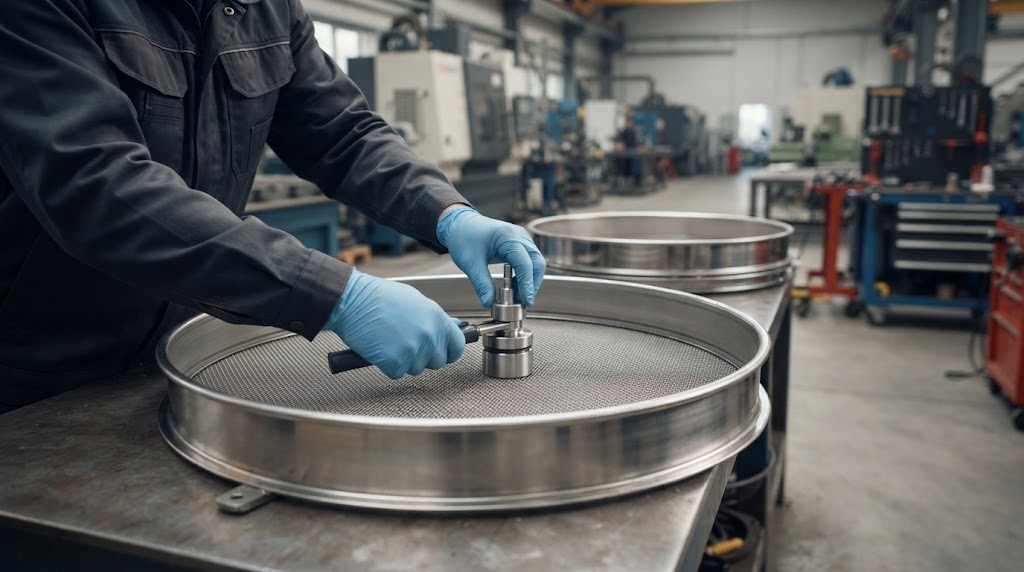
Not all screening equipment handles ultrasonic integration the same way. The mechanical architecture of your existing machine dictates how the ultrasonic converter and resonant ring interface with the screen frame.
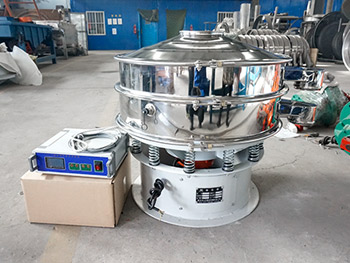
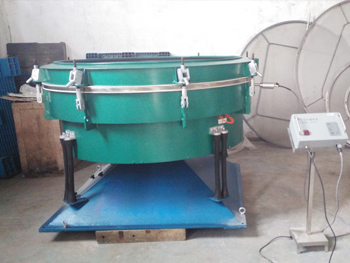
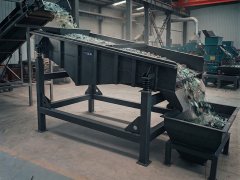
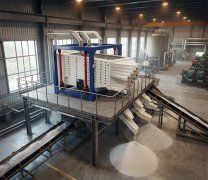
For standard rotary sieves and compact stainless steel screening units, the retrofit involves mounting the transducer externally while routing the high-frequency oscillation directly through a specialized frame design. In contrast, linear vibrating screens require dual-axis or multi-transducer placements to evenly distribute ultrasonic energy across a larger rectangular deck, ensuring uniform deblinding without dampening the primary throwing motion of the machine.
Explore the robust 304 stainless steel design of our ultrasonic sieving systems, ideal for food and pharmaceutical applications.
See how upgrading your existing screening equipment compares across key operational metrics:
| Performance Metrics | Traditional Screening | Ultrasonic Retrofit |
|---|---|---|
| Screening Efficiency | 60% - 75% (Prone to blinding) | 95%+ (High-frequency deblinding) |
| Maintenance Frequency | Daily manual cleaning / frequent stops | Minimal / Continuous automatic cleaning |
| Mesh Lifespan | Short (Damaged by aggressive brushing) | Extended by 2–3 times |
| Material Loss / Waste | High due to agglomeration and clumping | Extremely low, precise particle separation |
Table: Key operational improvements after integrating DAHAN ultrasonic deblinding technology.
A successful installation relies heavily on precision during the setup phase. Rushing through mechanical adjustments often leads to poor energy transmission or premature mesh failure. Keep these three critical checkpoints in mind on the factory floor:
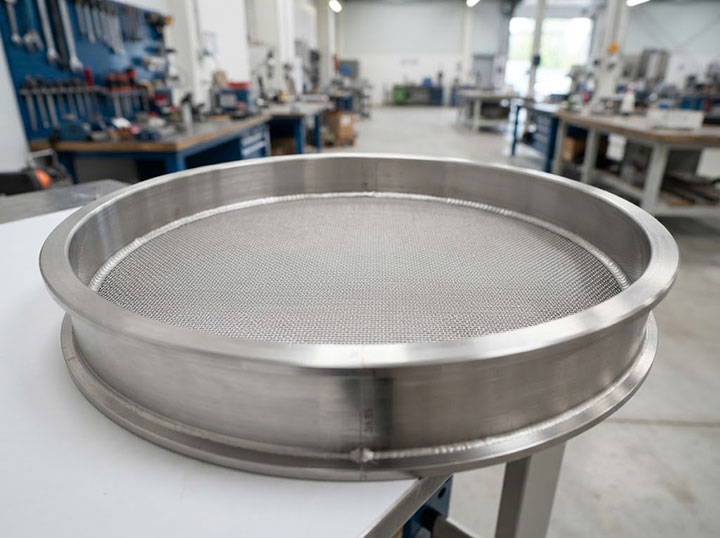
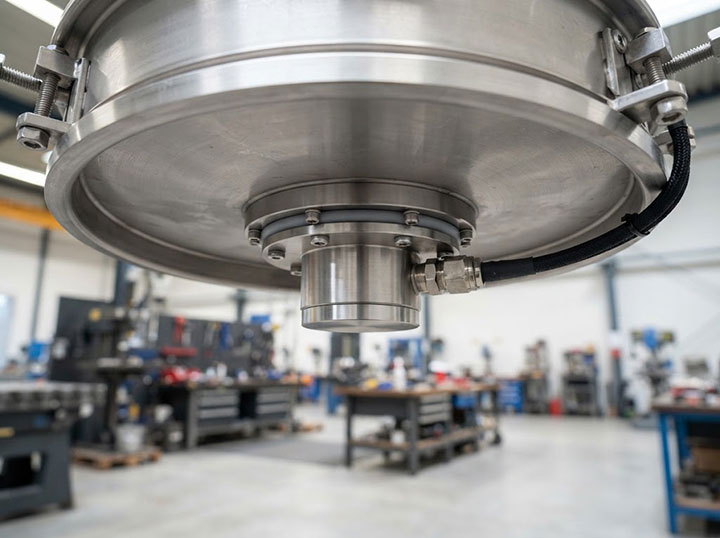
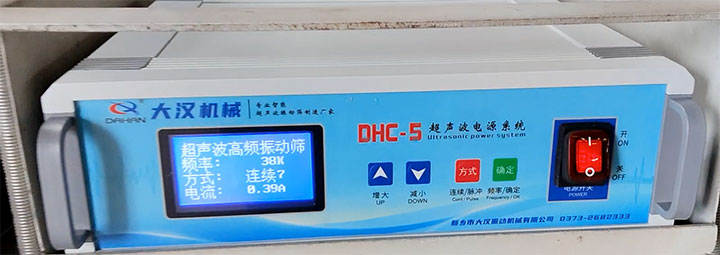
Evaluating a technical upgrade always comes down to bottom-line impact. Traditional screening of fine powders often demands constant operator intervention—manual brushing, mechanical tapping, or frequent line shutdowns to clear blinded meshes. These interruptions drain both time and labor resources.
Integrating an ultrasonic system transforms operational efficiency. By continuously breaking molecular bonds and surface tension on the mesh, it allows fine particles to pass freely. This results in a substantial surge in hourly throughput, extended mesh lifespan, and a dramatic drop in maintenance downtime, ensuring a rapid return on your upgrade investment.
Watch how the ultrasonic system enables smooth, high-precision screening of fine powders.
Every powder behaves differently under vibration, whether it is high-purity pharmaceutical fine dust, abrasive metal powders, or cohesive chemical compounds. A one-size-fits-all approach rarely delivers optimal screening results.
Successful ultrasonic retrofitting depends on precise frequency matching tailored to your specific material mesh size and machine specs. If you are looking to prevent mesh blinding and boost your existing production line capacity without full equipment replacement, talk to our engineering team today to get a customized retrofit solution.

In most cases, yes. Standard round rotary sieves, tumbler screens, and certain linear configurations can be retrofitted. The key factor is evaluating your current frame structure and mesh mounting method to ensure proper energy transmission.
No. The ultrasonic system utilizes high-frequency, low-amplitude micro-vibrations specifically designed to prevent particle agglomeration without placing excessive mechanical stress on the wire mesh. In fact, it often extends mesh lifespan by **minimizing** aggressive manual cleaning.
To match the correct ultrasonic generator and transducer configuration, you should provide our engineers with your machine type, deck diameter or size, mesh size (mesh count), and the specific characteristics of the material you are processing.
Don't let mesh blinding continue to drain your production efficiency. Get a professional consultation from our expert engineering team today. Provide us with your machine type, deck diameter, mesh count, and material characteristics, and we will tailor a precise ultrasonic retrofit solution for you.


Address:China,Yanjin county forest park gate to the west 1000 meters north road.


 Online Chat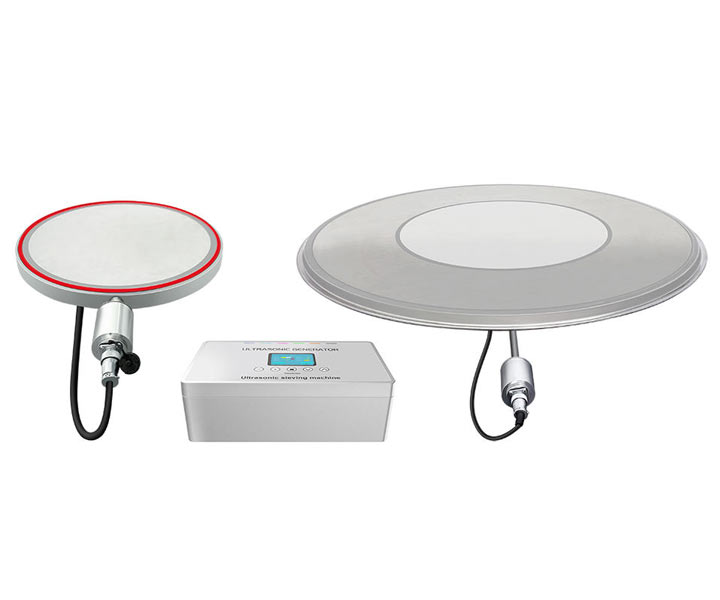
 Email
Email