


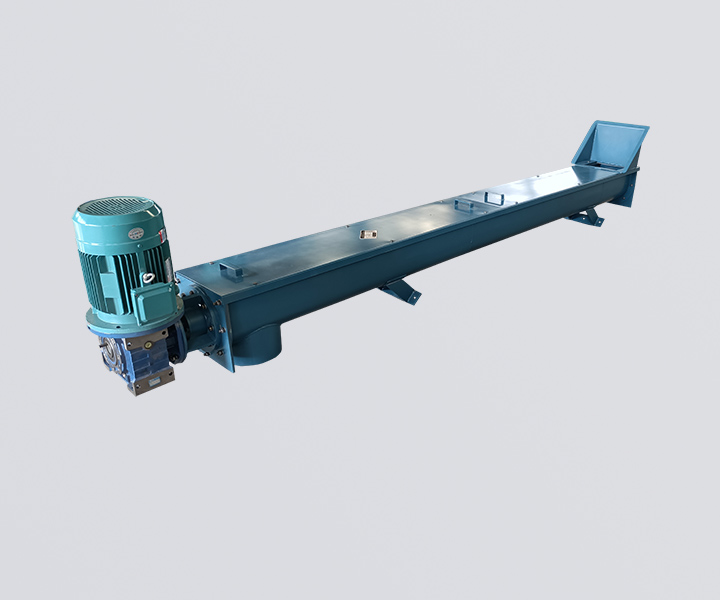
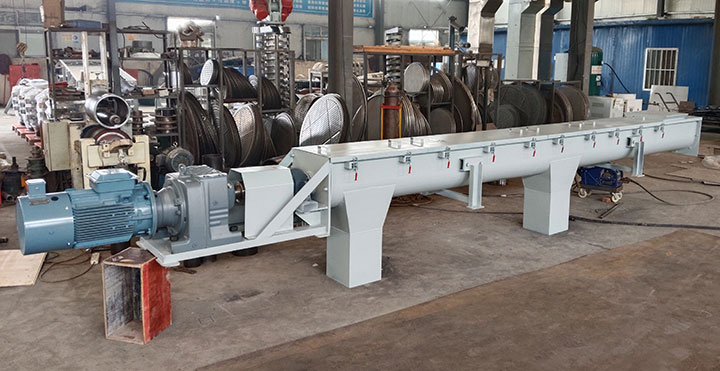
A Tubular Screw Conveyor for Metal Scrap is designed to transfer metal chips, small metal scrap, and other suitable metal waste through an enclosed conveying tube. The shafted or shaftless design can be selected according to scrap shape, entanglement risk, and conveying conditions. Horizontal, inclined, or vertical layouts can be evaluated based on the material and installation requirements. Dahan provides customized conveyor configurations based on material characteristics, conveying distance, required capacity, and site layout.
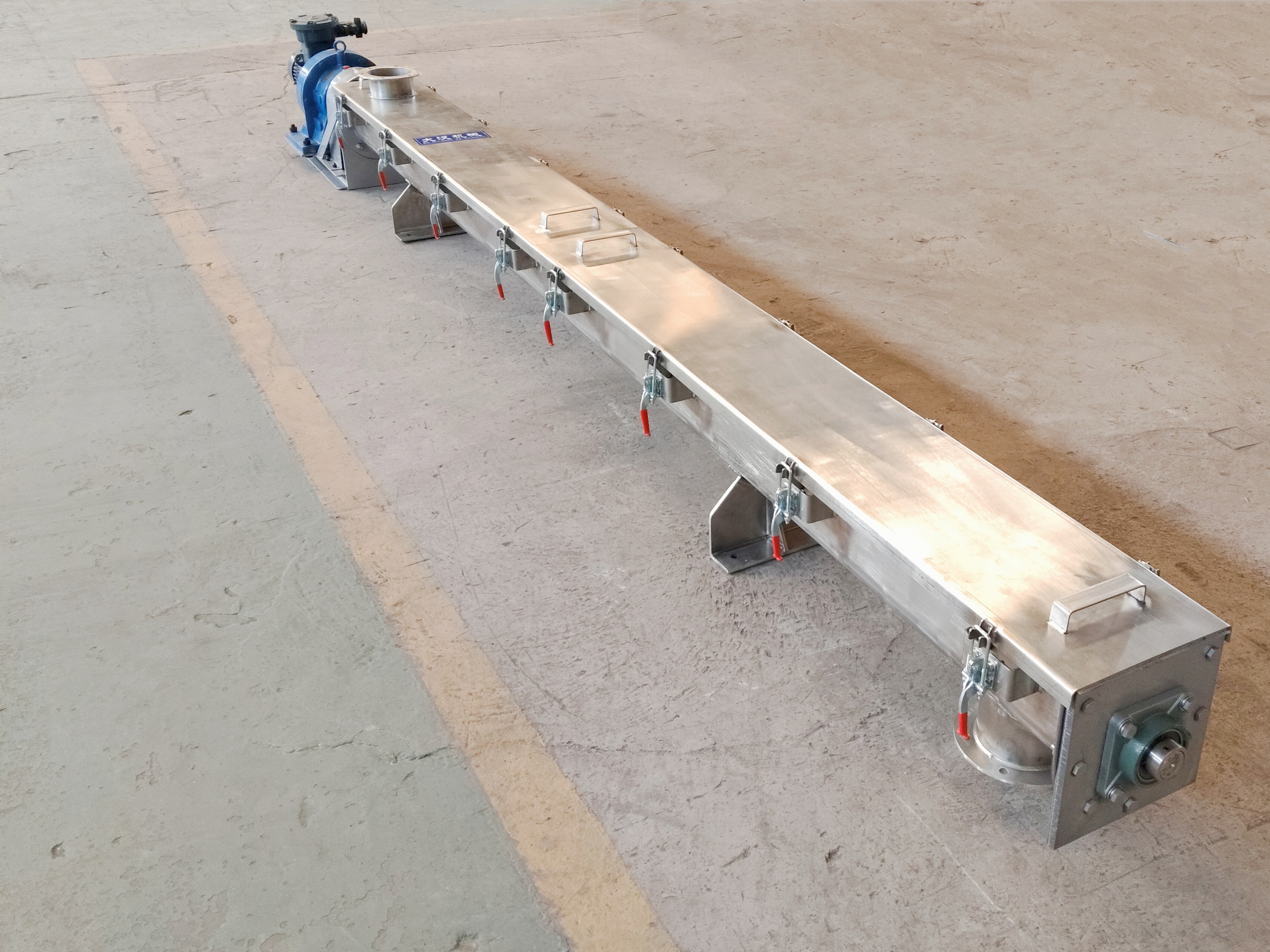
Tubular screw conveyors for metal scrap are available in shafted and shaftless designs. The right configuration depends on scrap shape, particle size, entanglement risk, material buildup, and conveying conditions.
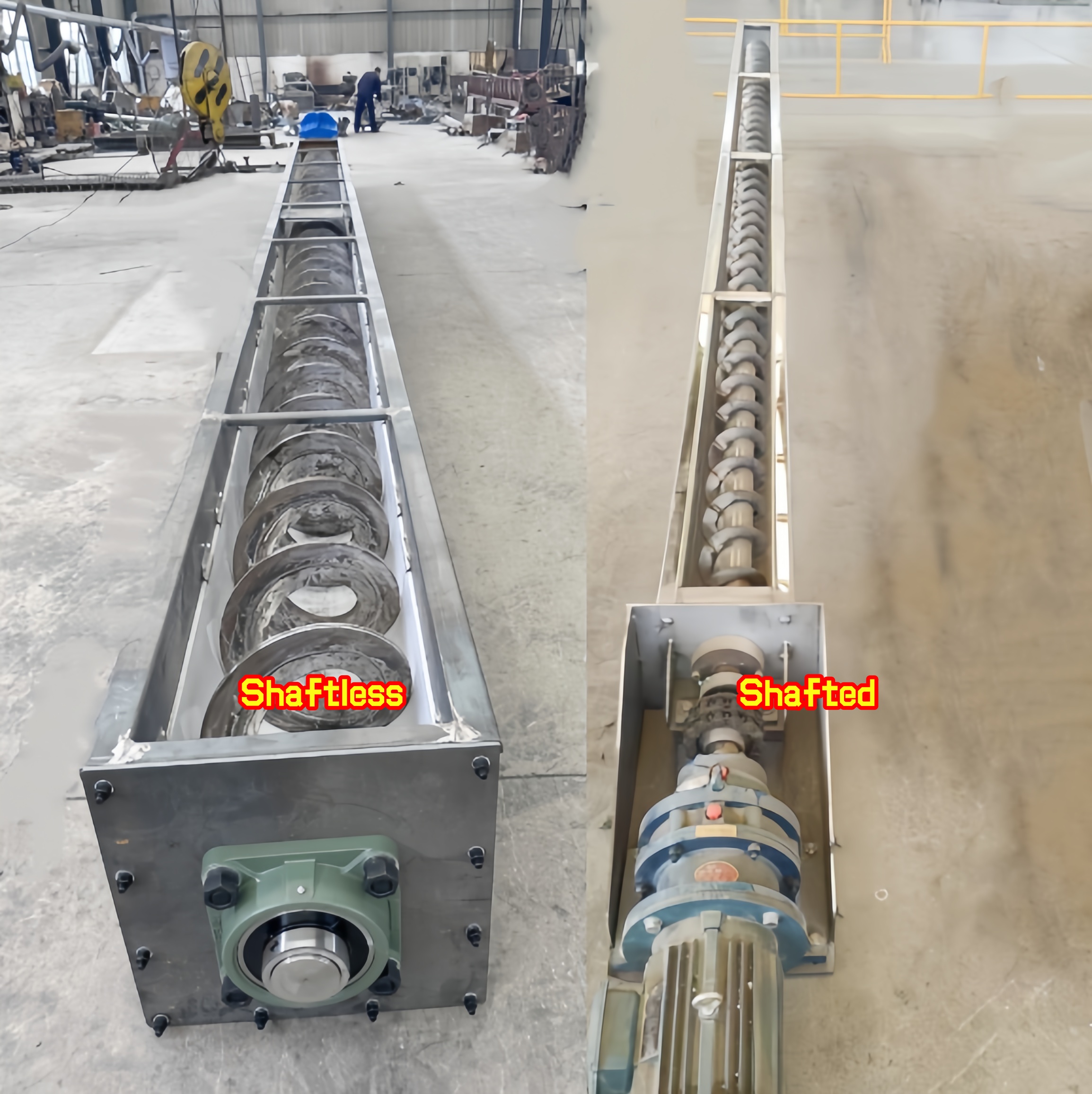
Shafted Tubular Screw Conveyor: This design uses a central shaft with attached screw flights to move material through the enclosed tube. It can be considered for short metal chips, small metal fragments, and relatively free-flowing scrap that presents a low risk of wrapping around the screw. Shaft diameter, flight design, and operating speed should be selected according to the material and required capacity.
Shaftless Tubular Screw Conveyor: This design uses a rotating shaftless spiral without a central shaft. It can be considered for long, flexible, or entangled metal chips that may wrap around a conventional shaft. The spiral configuration, drive torque, tube clearance, and maintenance requirements need to be evaluated for the specific scrap type.
For oily chips, mixed scrap, or materials containing long and sharp pieces, the selection should also account for material buildup, wear, cleaning access, and the risk of blockage. Providing sample photos, scrap dimensions, moisture or cutting-fluid conditions, conveying distance, and target capacity helps determine the appropriate conveyor configuration.
A tubular screw conveyor provides an enclosed solution for transferring metal scrap between collection points, processing equipment, and recycling systems. Its suitability depends on the scrap dimensions, shape, bulk density, and conveying conditions.
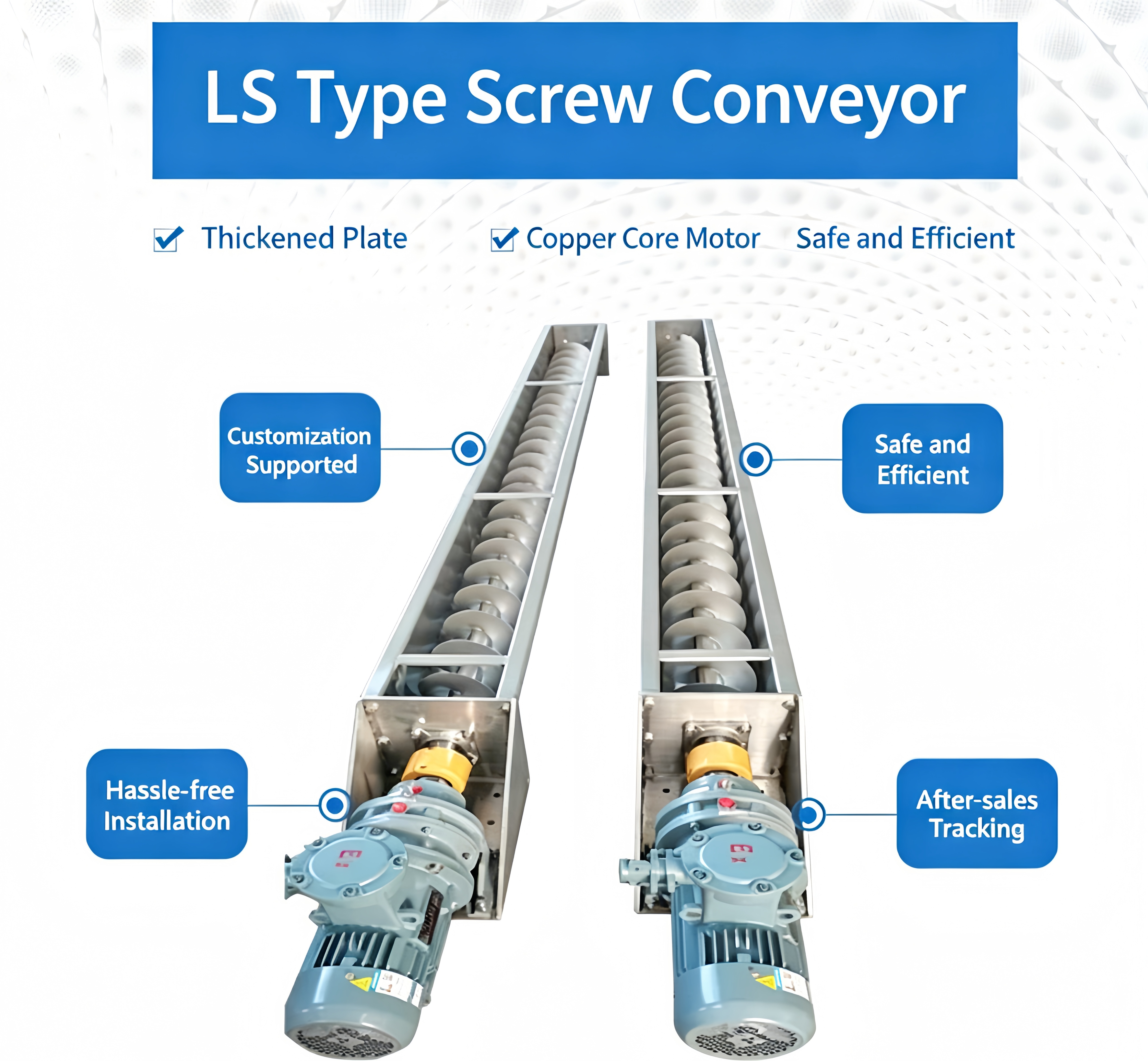
Before selecting a conveyor, confirm the scrap dimensions, maximum piece length, conveying distance, required capacity, and whether the material contains oil or cutting fluid. These details help determine a suitable design and reduce the risk of blockages or excessive wear.
A tubular screw conveyor moves metal scrap through an enclosed tube using a rotating screw. As the screw flights rotate, they push the material along the conveying path toward the discharge outlet.
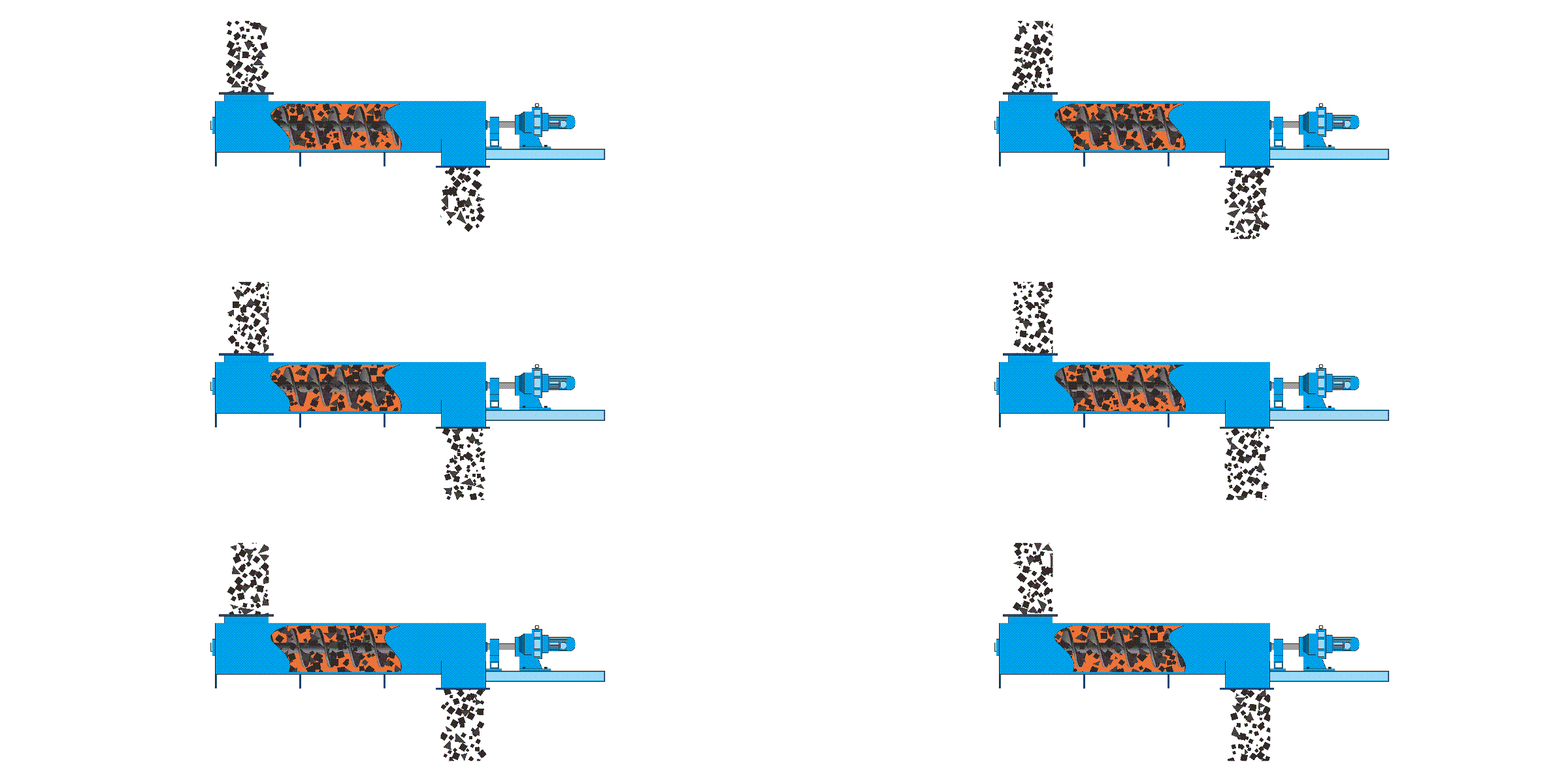
Metal scrap enters through the feed inlet and comes into contact with the rotating screw flights. The screw geometry, rotational speed, tube dimensions, and material characteristics determine how consistently the scrap moves through the conveyor. The material is then discharged at the designated outlet for collection or further processing.
For metal scrap containing long chips or flexible strands, the screw configuration and available clearance require particular attention because the material may wrap around the screw or accumulate inside the tube. Proper selection should consider the scrap shape, maximum piece length, conveying distance, required throughput, and the possibility of material buildup.
For customized equipment, provide the scrap type, representative material photos, conveying direction, horizontal or inclined distance, and target capacity. These details help the manufacturer evaluate the conveyor structure and drive requirements.
| Model |
Diameter (mm) |
Pitch (mm) |
Rotating speed (r/min) |
Capacity (m³/h) |
Rotating speed (r/min) |
Capacity (m³/h) |
Rotating speed (r/min) |
Capacity (m³/h) |
Rotating speed (r/min) |
Capacity (m³/h) |
|
| Small | 100 | 100 | 100 | 140 | 2.2 | 112 | 1.7 | 90 | 1.4 | 71 | 1.1 |
| 125 | 125 | 125 | 125 | 3.8 | 100 | 3 | 80 | 2.4 | 63 | 1.9 | |
| 160 | 160 | 160 | 112 | 7.1 | 90 | 5.7 | 71 | 4.5 | 56 | 3.6 | |
| 200 | 200 | 200 | 100 | 12.4 | 80 | 9.9 | 63 | 7.8 | 50 | 6.2 | |
| Small | 250 | 250 | 250 | 90 | 21.8 | 71 | 17.2 | 56 | 13.6 | 45 | 10.9 |
| 315 | 315 | 315 | 80 | 38.8 | 63 | 30.5 | 50 | 24.2 | 40 | 13.4 | |
| 400 | 400 | 355 | 71 | 62.5 | 56 | 49.3 | 45 | 38.6 | 36 | 31.7 | |
| Large | 500 | 500 | 400 | 63 | 97.7 | 50 | 77.6 | 40 | 62 | 32 | 49.6 |
| 630 | 630 | 450 | 50 | 138.5 | 40 | 110.8 | 32 | 88.6 | 25 | 69.3 | |
| 800 | 800 | 500 | 40 | 198.5 | 32 | 158.8 | 25 | 124.1 | 20 | 99.3 | |
Need Help Selecting the Right Model?
Send us your scrap type, maximum piece dimensions, target capacity, and conveying distance. We can evaluate the required specifications for your project.
Metal scrap comes in various forms and has diverse conveying conditions. Different companies have different requirements for output, conveying distance, and layout. We customize suitable screw conveyors based on the customer's usage scenario.
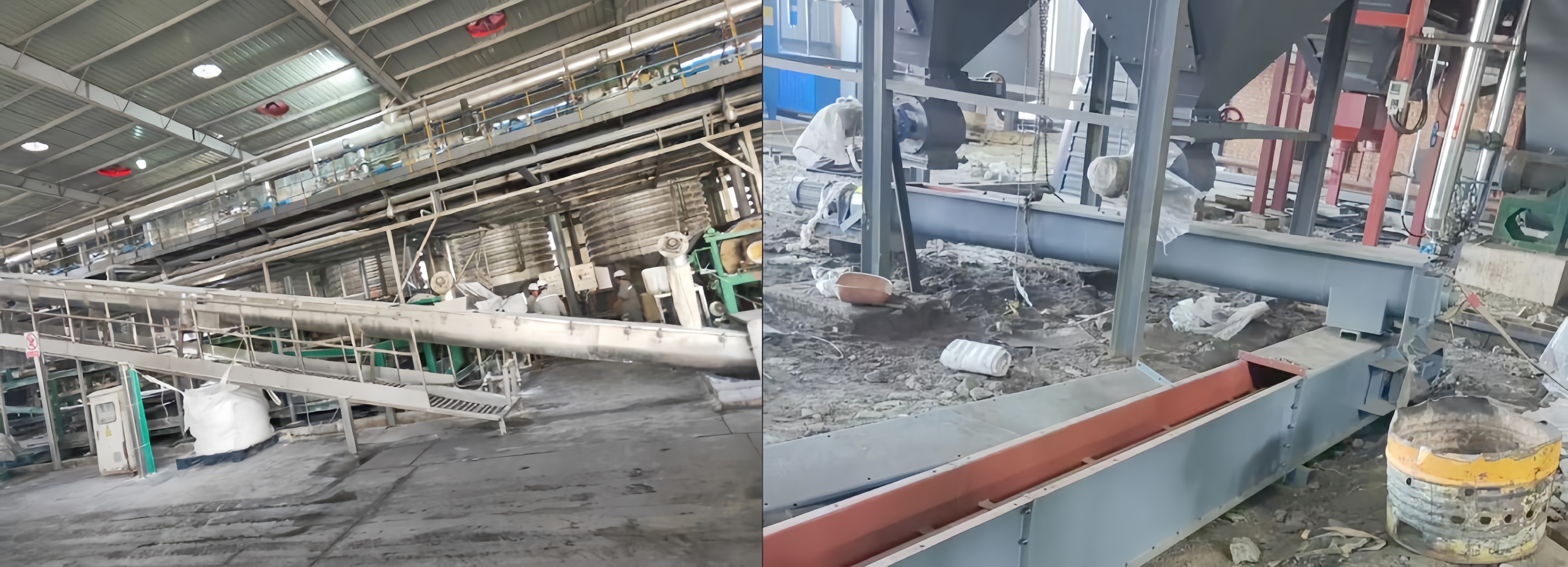
Machinery Manufacturing Plant: Primarily produces engineering machinery parts, generating a large amount of iron filings and steel cutting waste during production. A carbon steel shaft-tube screw conveyor is selected, with a horizontal conveying length of 28 meters. The equipment adopts a horizontal layout, with a designed conveying capacity of 8t/h, connecting to the machine tool scrap collection bin and centralized scrap storage area.
Scrap Metal Recycling Plant: Needs to transfer crushed copper and small metal granules after recycling and sorting. A non-standard customized carbon steel shaft-tube screw conveyor is purchased, using a combination of horizontal and small-angle inclined conveying. The horizontal section of a single unit is 12 meters long, with an overall designed conveying capacity of 12t/h.
Dahan Machinery boasts standardized production workshops, CNC machining equipment, and a professional R&D team, possessing comprehensive capabilities in equipment design, customization, production, installation, commissioning, and after-sales service. We strictly control raw material selection, using compliant profiles for both carbon steel and stainless steel.
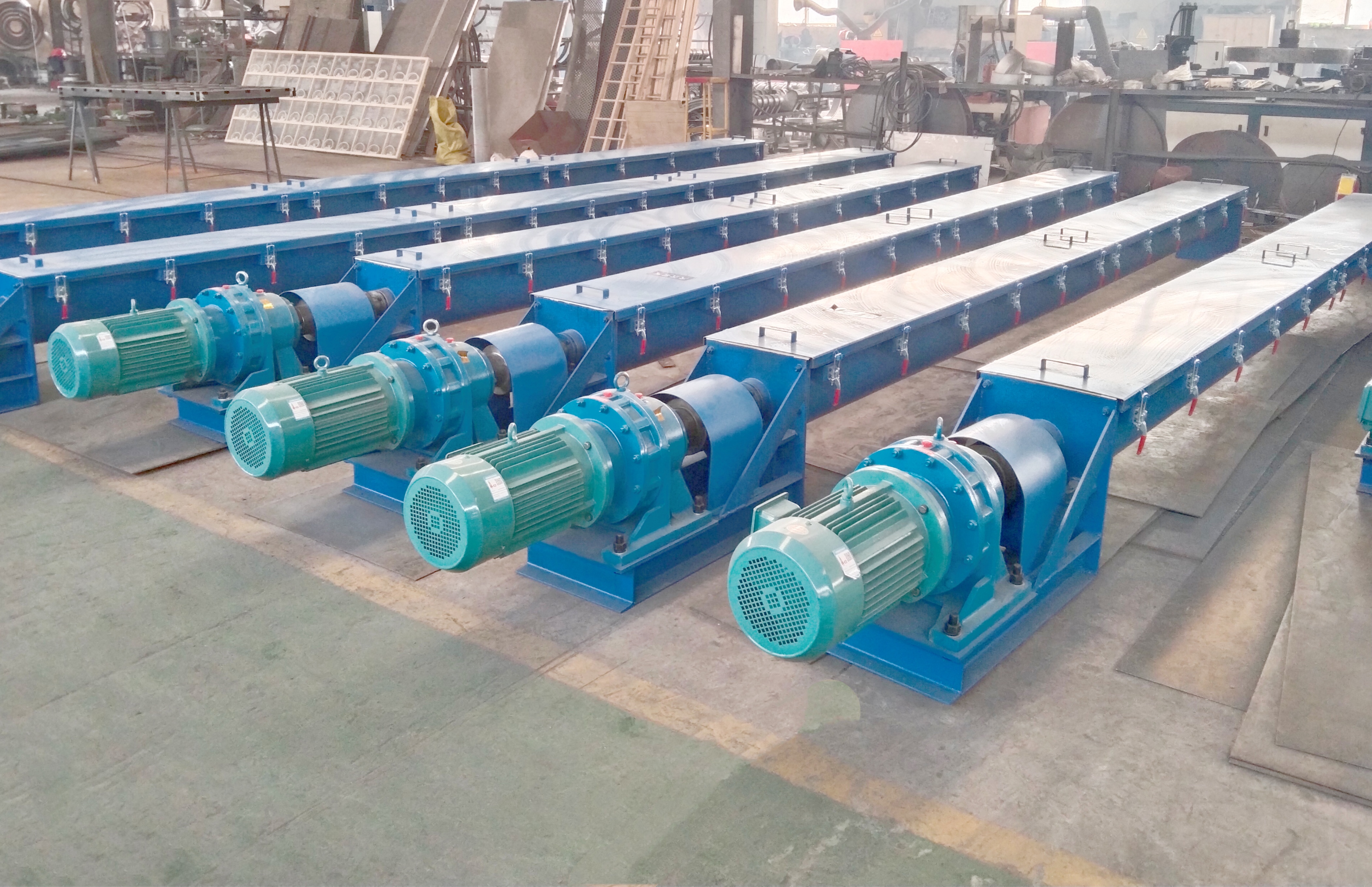
We optimize equipment structure for the wear-resistant and anti-winding properties of metal scrap, and can provide one-on-one non-standard customized solutions based on customer's site conditions, material characteristics, and conveying parameters. Products undergo no-load and load testing before leaving the factory, and our quality assurance system is comprehensive. We provide technical support and installation guidance to ensure the stable operation of your conveying system.
The selection of a Tubular Screw Conveyor for Metal Scrap requires comprehensive consideration of the material shape, conveying distance, working environment, and capacity requirements. It is also necessary to differentiate between shafted and shaftless models, rationally select carbon steel and stainless steel materials, determine the conveying angle based on the installation scenario, and customize equipment parameters as needed to select the appropriate conveying equipment.
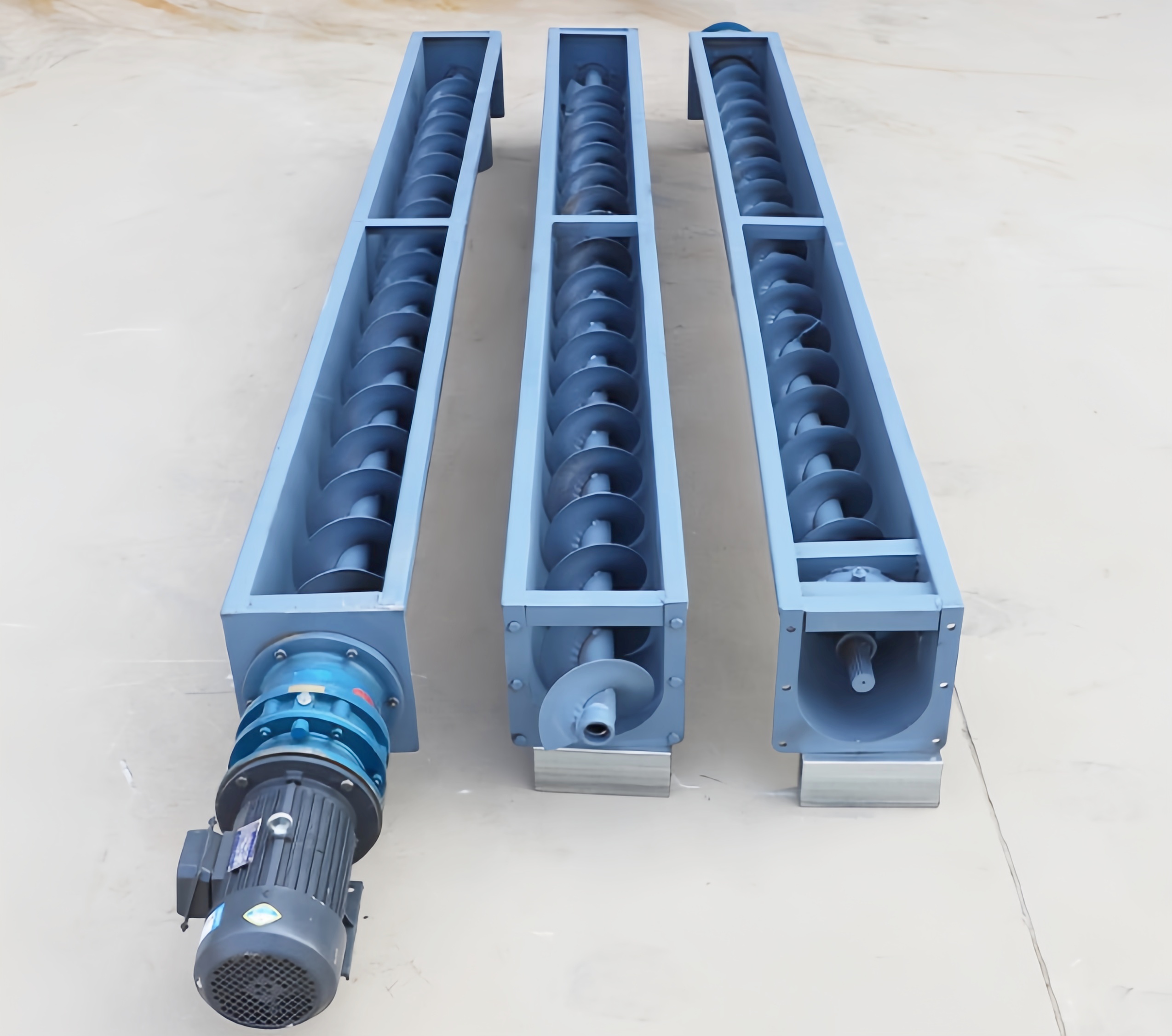
For powdery and fine particles: GX or LS type shafted screw conveyors are recommended, with a smaller screw pitch to ensure stable and controllable flow rate.
For mixed debris: Shaftless screw conveyors are recommended. They have high torque, are less prone to shutdown due to blockage, and typically have a conveying capacity 1.5 times higher than shafted conveyors of the same diameter.
For sticky, oily waste: Attention needs to be paid to the power configuration of the drive unit. Although screw conveyors are traditionally considered unsuitable for conveying highly viscous materials, they can still achieve smooth conveying of waste containing cutting fluids from metal processing through proper design of the rotation speed and blade clearance.
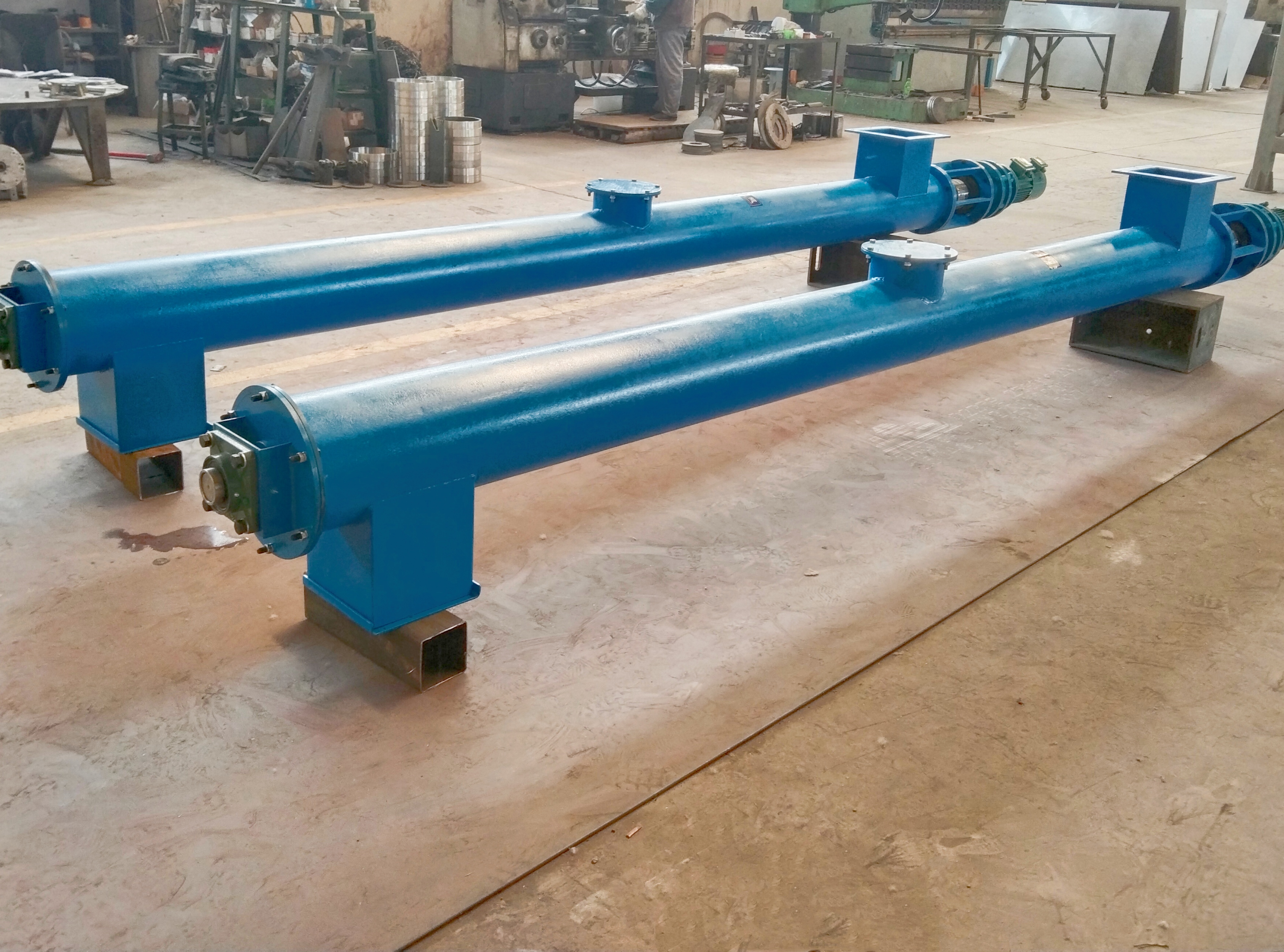
The Tubular Screw Conveyor for Metal Scrap perfectly solves the problems of high wear, leakage, and blockage during the transfer of metal scrap through a closed and environmentally friendly conveying method, a robust and wear-resistant structural design, and flexible layout options.
It can be considered for suitable metal chips, fragments, and other scrap materials. The actual suitability depends on scrap size, shape, bulk density, and the risk of wrapping or blockage.
The choice depends on scrap characteristics and operating conditions. Shaftless designs may be worth evaluating for certain long or flexible chips, while shafted designs may suit compatible materials that present a lower entanglement risk.
Provide the scrap type and photos, maximum piece dimensions, required capacity, conveying distance, installation angle, and any oil or cutting-fluid conditions. These details help determine a suitable configuration.
Looking for an enclosed conveyor for metal chips or scrap handling? Send us your material photos, required capacity, conveying distance, and installation conditions. Our team can review your requirements and discuss a suitable solution.


Address:China,Yanjin county forest park gate to the west 1000 meters north road.


 Online Chat

 Email