


Understanding the fundamental differences between fine screening and coarse screening is essential for selecting the right equipment for your operation. Whether you are in wastewater treatment, pulp and paper production, mining, or chemical processing, choosing the correct screening technology directly impacts efficiency, product quality, and operational costs.
This guide breaks down the key differences in equipment design and operational parameters to help you make an informed decision.
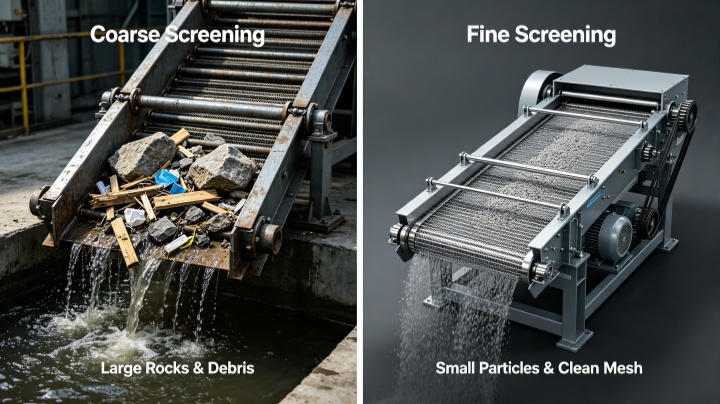
Coarse screening serves as the first line of defense in most industrial processes. Its primary purpose is to remove large debris and oversized particles that could damage downstream equipment.
Coarse screens typically utilize bar screens or racks composed of vertical or inclined bars spaced at regular intervals. These bars are usually rectangular in cross-section, about 10 x 50 mm, placed with the larger dimension parallel to the flow. The robust construction allows them to withstand the impact of large, heavy debris.
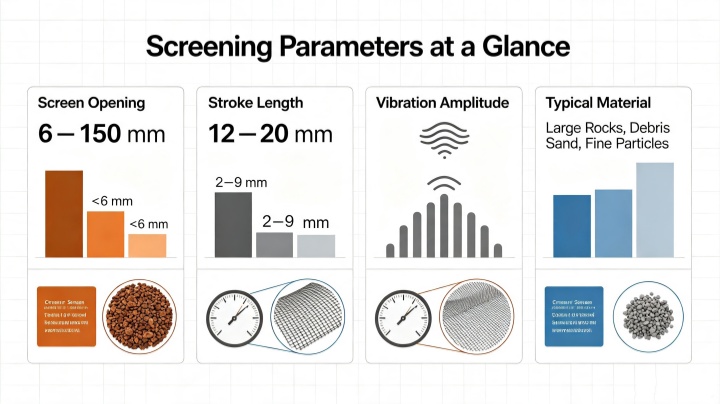
Fine screening is employed when higher separation precision is required. It captures smaller particles that would pass through coarse screens and protects sensitive downstream equipment like membranes and filters.
Fine screens utilize perforated plates, woven wire cloth, or closely spaced wedgewire slots. These screens come in various configurations including rotary drum screens, step screens, and high-frequency vibrating screens.
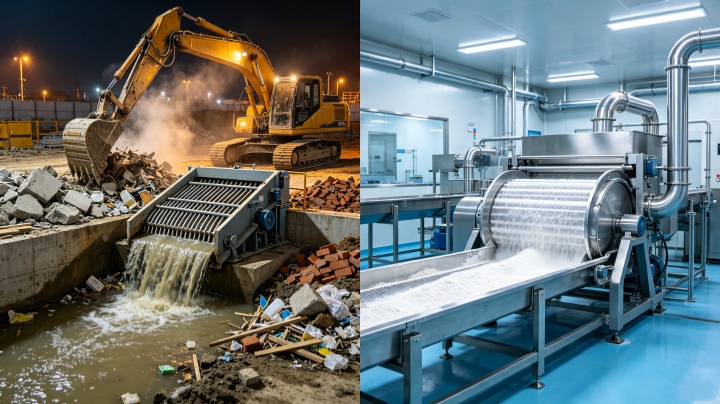
| Feature | Coarse Screening | Fine Screening |
| Screen Opening Size | 6 mm – 150+ mm | < 20 mm (0.8 – 6 mm typical) |
| Typical Equipment | Bar racks, bar screens | Rotary drum, wedgewire, high-frequency vibratory |
| Stroke Length | Long (12-20 mm) | Short (2-9 mm) |
| Operating Speed | Low (675-875 RPM) | High (up to 4200 RPM) |
| Consistency (Pulp) | Up to 4% | 0.5% – 4.5% |
| Primary Purpose | Remove large debris, protect equipment | Achieve precise particle separation, protect membranes |
Choose Coarse Screening When:
Choose Fine Screening When:
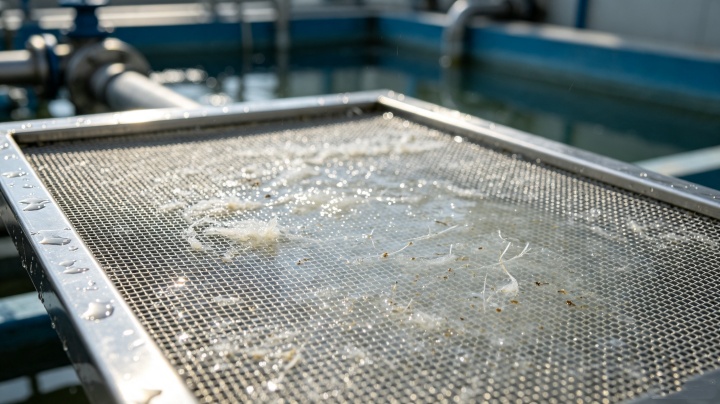
Screening efficiency is evaluated differently for coarse and fine applications. For fine screening, three efficiency values are commonly measured:
Industry testing demonstrates that high-frequency fine screens can achieve overall efficiencies exceeding 90% for demanding applications like silica powder screening at fine mesh sizes.
Coarse screens with 6 mm openings are standard at inlet works, while fine screens with 0.8-2 mm openings protect downstream membranes in MBR plants. A properly sized 2 mm fine screen can remove 94-96% of particulate screenings.
Coarse screens remove plastics, styrofoam, and large contaminants from pulp. Fine screens equipped with specialized rotors and slotted baskets achieve high sticky removal efficiency, improving paper machine runability and final product quality.
In soda ash production, fine screens now replace older circular vibrating screens that experienced frequent breakdowns. Two-layer fine screens can complete the entire classification process in one pass.
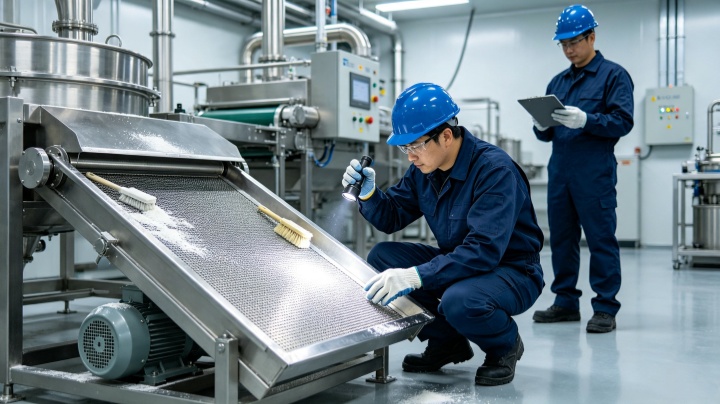
The choice between fine and coarse screening is determined by your particle size requirements, process objectives, and downstream equipment protection needs. Coarse screens handle initial bulk separation of large debris, while fine screens deliver the precision needed for product quality and sensitive equipment protection.
Understanding these fundamental differences in equipment design and operating parameters enables you to select the right screening technology for your specific application, optimizing both performance and operational costs.


Address:China,Yanjin county forest park gate to the west 1000 meters north road.


 Online Chat
 Email
Email