


In modern mining and aggregate processing, the High Capacity Vibrating Screen is the cornerstone of productivity. This guide explores how advanced engineering in high capacity vibrating screens can help you achieve throughput rates exceeding 15,000 tons per hour while significantly reducing unplanned downtime. We detail the design, technology, and maintenance strategies that define a truly high capacity vibrating screen.
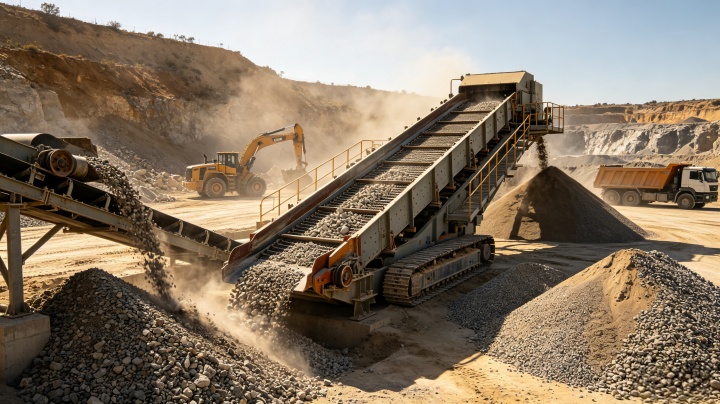
A high capacity vibrating screen is a screening machine engineered to process a very large volume of bulk material—often up to 15,000 tons per hour—with high efficiency. Unlike standard screens, it achieves this through a combination of oversized deck areas, powerful exciter drives, and robust structural design. The core value of a high capacity vibrating screen lies in its ability to sustain maximum feed rates without compromising separation accuracy or machine reliability.
High capacity is achieved through a combination of design factors:
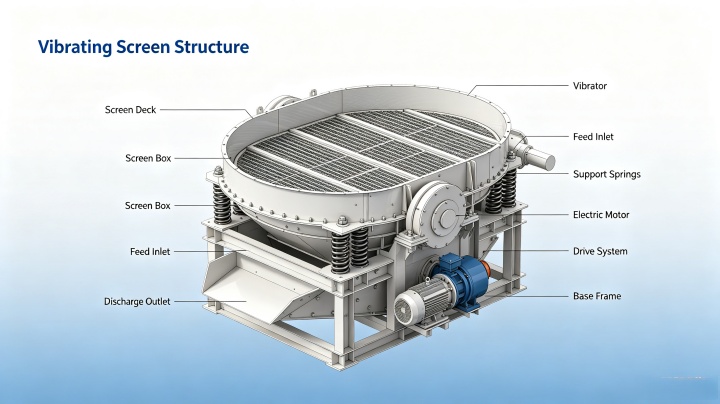
The challenge in high capacity screening is that increased screen width significantly complicates structural design. Wider screens experience greater dynamic loads, requiring sophisticated engineering to maintain structural integrity while maximizing processing area.
Vibrating screens typically employ either circular or linear motion. Circular vibrating screens (inclined) rely on the circular movement from the drive system combined with deck inclination to transport material. Linear vibrating screens were developed to reduce vertical space requirements and provide better control for dewatering applications, with material transport achieved through an excitation force angle (typically 45°) without relying on gravity.
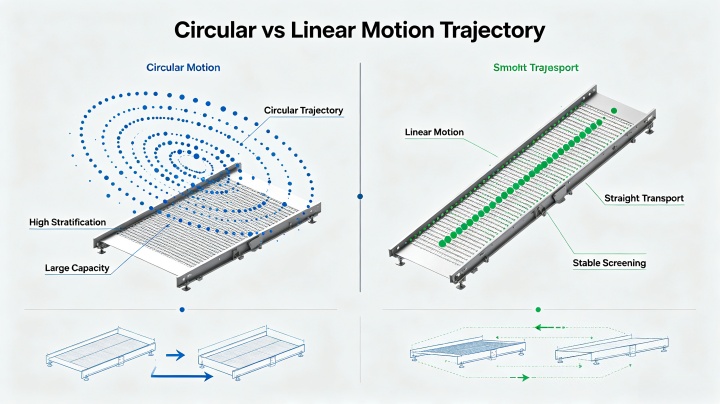
For high capacity applications, the choice between linear and circular depends on the material characteristics and separation objectives. Linear motion excels in dewatering applications, where the negative slope (-3° to 10°) allows gravity to hold water back while the linear action moves material forward.
The exciter system is the heart of any high capacity vibrating screen. Advanced exciters, such as the ETX series, are specifically designed to power the widest high capacity vibrating screens with just two units, reducing mechanical complexity. These drives deliver consistent G-force, which is critical for maintaining high throughput in a high capacity vibrating screen application.
The heart of any high capacity vibrating screen is its exciter system. Unlike standard motors with counterweights, exciters can drive wider screens without the dimensional constraints that limit other drive systems.
Modern exciters have evolved to handle demanding conditions. For instance, the ETX exciters from Weir can drive screens with decks spanning 4.27 meters, and their large capacity allows the biggest screens to be driven with just two exciters—reducing complexity and maintenance costs significantly.
Premium exciters feature:
When designing high capacity screens, finite element analysis is critical for structural integrity. FEA predicts high-stress areas and natural frequencies, enabling engineers to:
With over 15 years of FEA experience and nearly 400 high capacity screens supplied globally, industry leaders use this technology to deliver custom-designed machines that perform at peak efficiency for each application.
Unplanned downtime is the enemy of productivity. A single critical failure can cost more than three years of a condition monitoring system investment. Here are the key strategies for minimizing downtime.
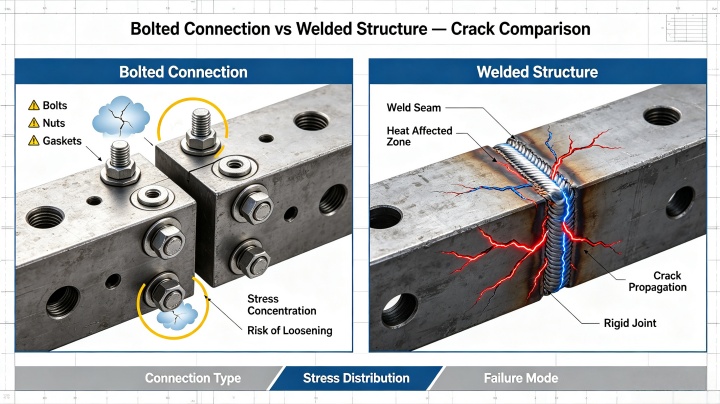
Traditional welded side plates are prone to stress concentration and cracking. Fully bolted construction eliminates this risk, significantly extending machine life and reducing unexpected structural failures. This design approach also makes repairs and component replacements faster and more straightforward.
Modern condition monitoring systems use artificial intelligence to predict equipment failure before it occurs. These systems continuously monitor:
Advanced systems can detect lubrication faults, contamination, bearing damage, and loose or broken structural parts. With permanently installed sensors—typically four body sensors at each corner plus bearing sensors—these systems provide 24/7 surveillance.
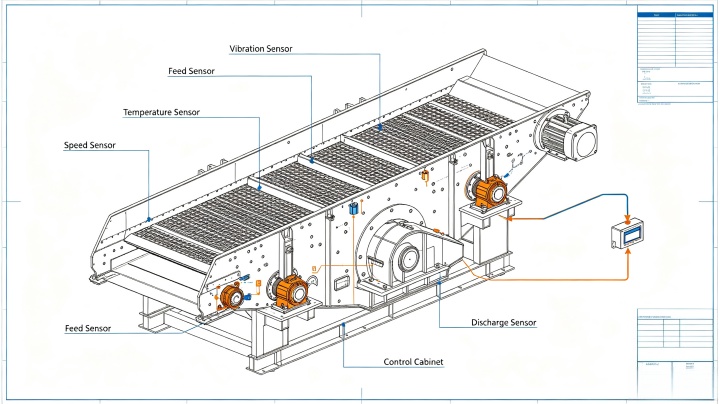
The impact is measurable: one coal preparation plant reduced unplanned shutdowns from 2 per month to zero, decreased maintenance workload by 33.33%, and increased operating duration by 0.65% after implementing intelligent monitoring.
Screen media replacement is one of the most frequent maintenance activities. Patented quick-tensioning systems like the Ty-Rail system can reduce change-out time by approximately 50% compared to conventional clamping methods.
When multiple screens operate in the same facility, cumulative vibrational loads can exceed structural tolerances, leading to fatigue, resonance, and costly retrofits. Dynamically balanced screen designs—using double eccentric shaft assemblies and shear rubber mounts—transmit virtually no vibration into the supporting structure. This allows for:
Selecting an optimal high capacity vibrating screen involves matching machine characteristics to your specific material and operational goals. Consider these factors:
Undetected issues can lead to out-of-spec material passing through, further equipment damage, and costly production losses. Common problems include:
Condition monitoring systems have proven to be a cost-effective solution. At approximately £18 per day, one critical alert from an advanced system can effectively pay for three years of the monitoring service.
Maximizing throughput and minimizing downtime requires a holistic approach to high capacity vibrating screen selection and operation. By choosing screens with:
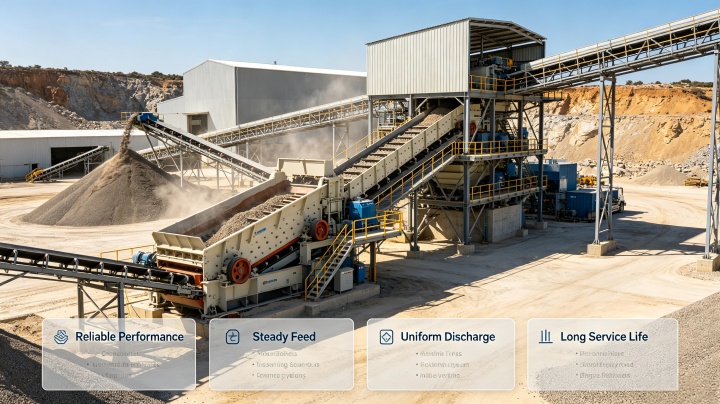
Operations can achieve the high production rates demanded by modern markets while maintaining the reliability that keeps the plant running. The technology exists today to transform high capacity screening from a maintenance headache into a competitive advantage.
Looking to upgrade your screening operation? Contact our team to discuss how our high capacity vibrating screens can help you achieve your production targets with minimal downtime.


Address:China,Yanjin county forest park gate to the west 1000 meters north road.


 Online Chat
 Email
Email