


In modern material processing, two challenges consistently top the list of operational concerns: maintaining product integrity and optimizing limited factory space. Traditional vertical conveying methods—bucket elevators and pneumatic conveyors—often force plant managers to choose between gentle handling and efficient space utilization. However, a specialized category of equipment has emerged to address both issues simultaneously: the vibrating spiral elevator.
When materials must be moved vertically, conventional solutions present significant trade‑offs. Pneumatic conveyors, while effective for transport, generate substantial dust and can cause breakage rates as high as 3.0% to 8.0% for fragile materials. Bucket elevators offer mechanical simplicity but provide no thermal processing capability and typically require a separate cooling stage downstream. Furthermore, both options consume valuable floor space, with pneumatic systems requiring additional blowers and filtration equipment.
For high‑value materials such as engineering plastics, pharmaceutical ingredients, or coated products, these compromises become economically unsustainable. Product degradation directly impacts yield, while spatial constraints limit production expansion.
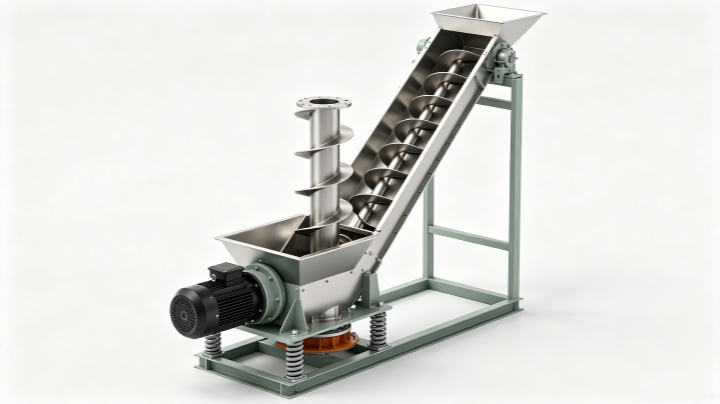
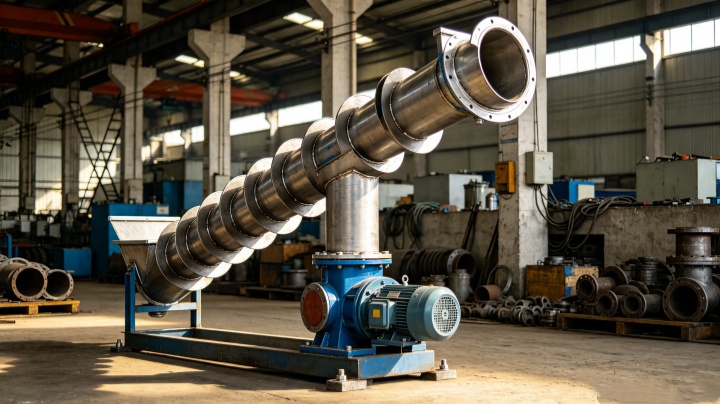
The vibrating spiral elevator operates on a fundamentally different principle. Two counter‑rotating vibration motors generate a controlled elliptical oscillation that propels material upward along a helical trough. This "micro‑throw" motion advances material in small, gentle parabolic trajectories, exposing particles to air while minimizing mechanical impact.
The results are measurable:
Material degradation rates of 0.3%–0.8%, significantly lower than alternative methods
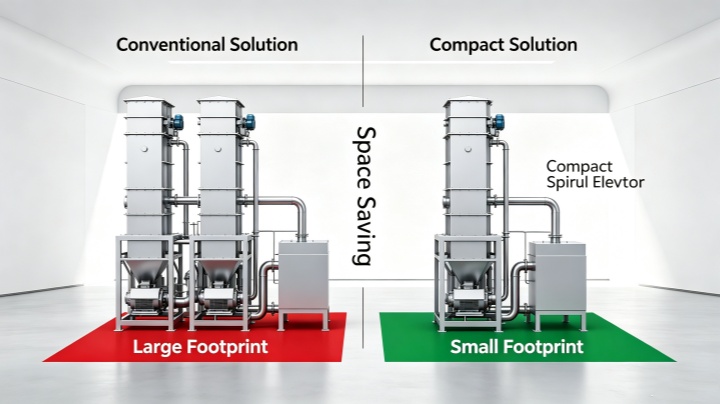
Floor space reduction of approximately 70% compared to combined bucket elevator and cooling conveyor systems
Integrated thermal processing, eliminating the need for separate cooling, drying, or heating equipment
The technology has found adoption across diverse industries where product integrity is paramount:
Plastics and Compounding
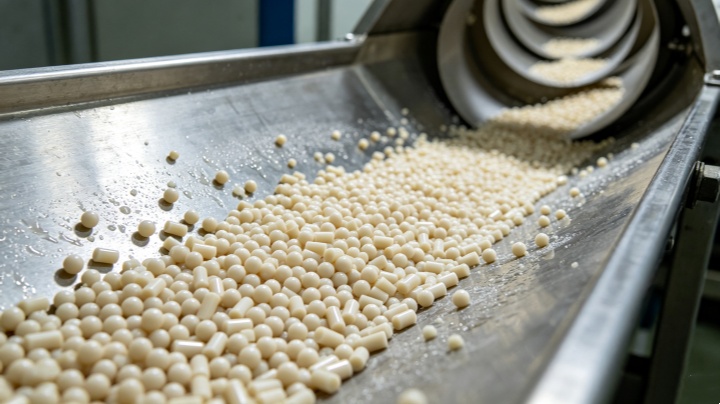
Hot plastic pellets exiting extruders at 85–115°C must be cooled to below 50°C before packaging to prevent agglomeration. Vibrating spiral elevators achieve this temperature reduction within the same machine that performs the lift. Measured field data shows PA6 pellets cooled from 108°C to 47°C while maintaining fines generation below 0.6%.
Food Processing
Delicate cereals and snack products that would be crushed by bucket elevators move gently through spiral systems, often with simultaneous cooling or drying. Stainless steel construction meeting USDA 3A standards ensures hygienic operation.
Chemical and Pharmaceutical Applications
A chemical company successfully used vibrating spiral elevators to transport 1,500°F catalyst material immediately after calcination, with protective shrouds ensuring employee safety and preventing cross‑contamination.
When evaluating vertical conveying options, consider the following performance metrics:
| Criterion | Vibrating Spiral Elevator | Bucket Elevator | Pneumatic Conveyor |
| Cooling during lift | Integrated | None | None |
| Particle breakage rate | 0.3%–0.8% | 1.0%–2.5% | 3.0%–8.0% |
| Energy consumption (kWh/t) | 0.8–1.2 | 1.0–1.5 | 6.0–12.0 |
| Floor space (for 5m lift) | 1.0x (baseline) | 1.2x | 2.5x |
The data demonstrates that vibrating spiral elevators offer superior product protection, lower energy consumption, and significantly reduced space requirements.
To ensure optimal performance, four critical parameters should be evaluated during specification:
1. Material Flowability
Free‑flowing materials with angle of repose below 30° convey at higher capacity. Cohesive powders above 40° require larger trough diameters and modified vibration parameters to prevent bridging.
2. Thermal Load Requirements
Materials with specific heat above 1.8 kJ/kg·K and throughput above 2,000 kg/h generally require active cooling (forced air or water jacket) to achieve target temperature reduction within standard lift heights.
3. Construction Material
Carbon steel: Economical for non‑corrosive materials
Stainless steel 304: Standard for plastics and chemical applications
Stainless steel 316L: Required for food, pharmaceutical, and corrosive environments
4. Space Constraints
The vertical spiral design inherently saves floor space, with custom configurations available for tight installations.
Beyond the primary benefits of degradation reduction and space savings, vibrating spiral elevators offer additional operational advantages:
Minimal moving parts result in low maintenance requirements
Open trough design with removable covers facilitates cleaning
Adjustable vibration parameters allow fine‑tuning for different material
Enclosed options prevent dust emissions and contamination
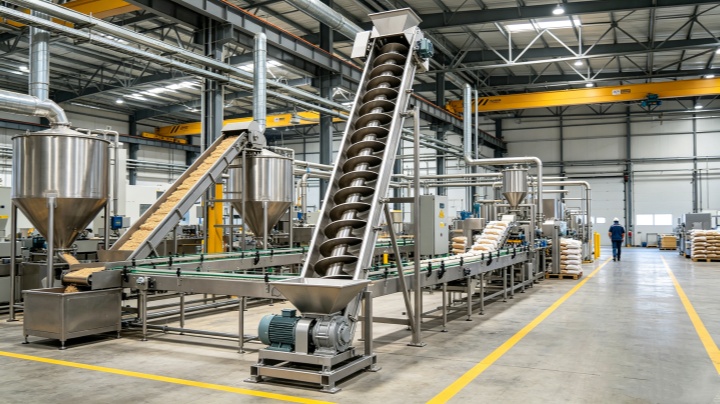
For operations seeking to reduce material degradation while maximizing floor space utilization, vibrating spiral elevators represent a proven solution. The integration of vertical conveying with thermal processing eliminates the need for multiple equipment pieces, reduces transfer points where degradation occurs, and delivers measurable improvements in product quality.
Whether handling engineering plastics, food products, or chemical materials, the technology offers a compelling alternative to traditional vertical conveying methods. By selecting appropriate configurations—including construction materials, cooling options, and vibration parameters—facilities can achieve both product integrity and operational efficiency.


Address:China,Yanjin county forest park gate to the west 1000 meters north road.


 Online Chat
 Email
Email