


An industrial horizontal screw feeder is a specialized mechanical metering device engineered to extract and regulate the discharge of bulk solids from the base of silos, bins, or hoppers. Unlike standard conveyors designed merely for transfer, a true feeder operates under full-load conditions, utilizing precision pitch design to control volumetric flow rates.
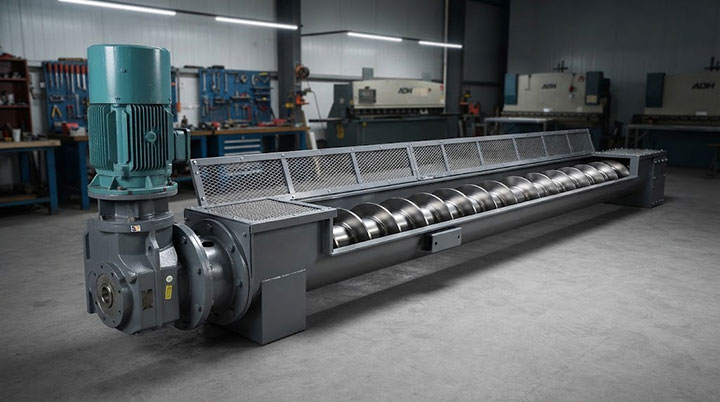
Meters and evens out erratic material flow from storage outlets, preventing flooding or starvation in secondary machines.
Feeders feature specialized inlet shrouds and control screws to handle massive head loads at silo discharge points, whereas conveyors transport material freely at lower fill ratios.
Watch this video for a side-by-side comparison demonstrating how a specialized horizontal screw feeder extracts compacted bulk solids under full load, contrasting it with the free-flowing operation of a standard screw conveyor in our metering and conveying process.
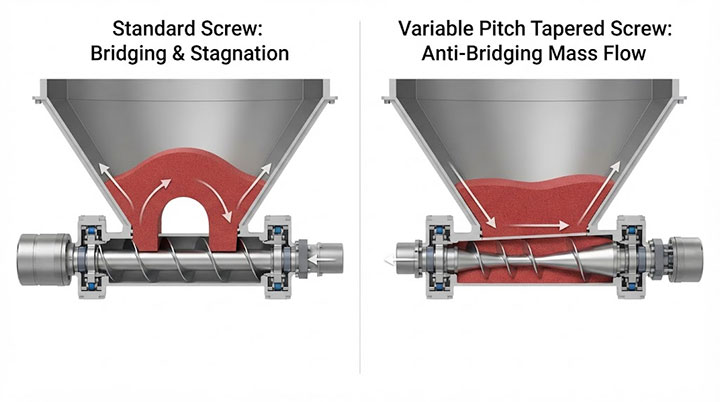
Bulk materials often pack tightly at silo outlets, causing arching, bridging, or rat-holing that halts production. A horizontal screw feeder solves this challenge through a calculated design at the inlet zone.
By utilizing an increasing pitch (variable pitch) or a tapered screw configuration, the flight volume expands progressively from the inlet opening toward the discharge end. This mechanical action pulls material uniformly across the entire live bottom area of the hopper, breaking up compacted agglomerates and ensuring a continuous, uninterrupted material stream into the process line.
Selecting or custom-building an industrial screw feeder requires precise alignment with specifications. Below are the 6 core engineering parameters:
Accurate sizing prevents underfeeding or flooding. The volumetric capacity of an industrial screw feeder is determined using core engineering variables:
Q = 60 × A × S × N × ρ × C
The following table outlines the standard configurations for our horizontal screw series. We support full customization to meet your specific throughput and installation requirements.
| Model | Spiral Dia (mm) | Outer Dia (mm) | Incline (°) | Max Length (m) | Capacity (t/h) |
|---|---|---|---|---|---|
| WLS150 | 150 | 180 | 0°-30° | 12 | 2.4 |
| WLS200 | 184 | 219 | 0°-30° | 13 | 7 |
| WLS250 | 237 | 273 | 0°-30° | 16 | 9 |
| WLS300 | 284 | 351 | 0°-30° | 18 | 13 |
| WLS400 | 365 | 402 | 0°-30° | 22 | 18 |
| WLS500 | 470 | 500 | 0°-30° | 25 | 28 |
* Note: The parameters above are for reference. We provide full customization services to match your exact application requirements.
Performance depends entirely on matching the mechanical configuration to the specific behavior of the bulk solid being handled.
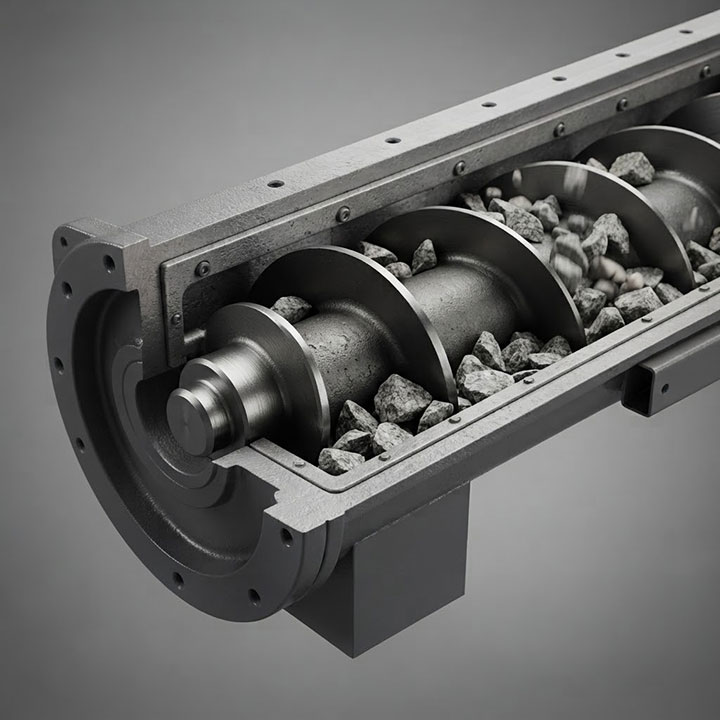
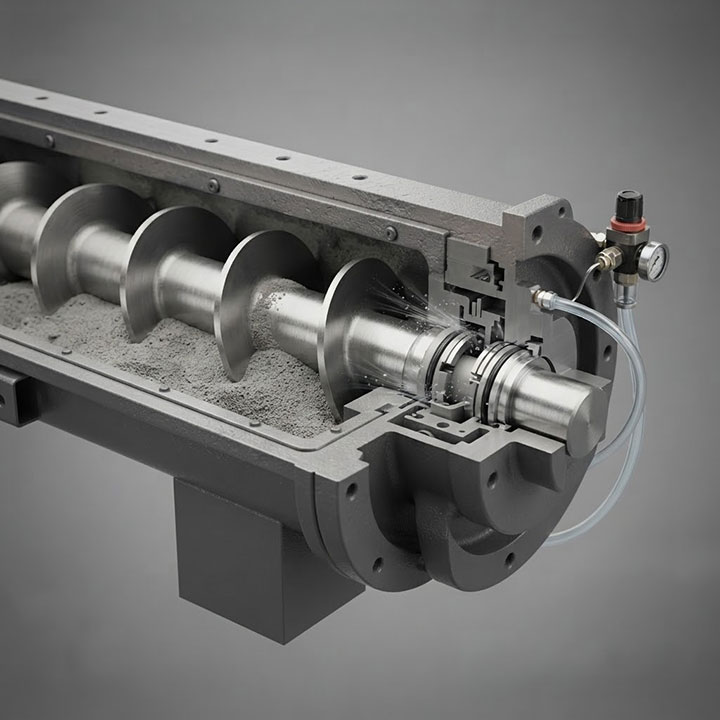
For complex materials requiring simultaneous conveying and blending, we engineer specialized twin-screw configurations. As seen in the demonstration, the counter-rotating screws prevent material bridging while ensuring uniform mixing during the metering process.
Proactive maintenance ensures long-term operational reliability, reduces unexpected downtime, and preserves metering accuracy across demanding production cycles:
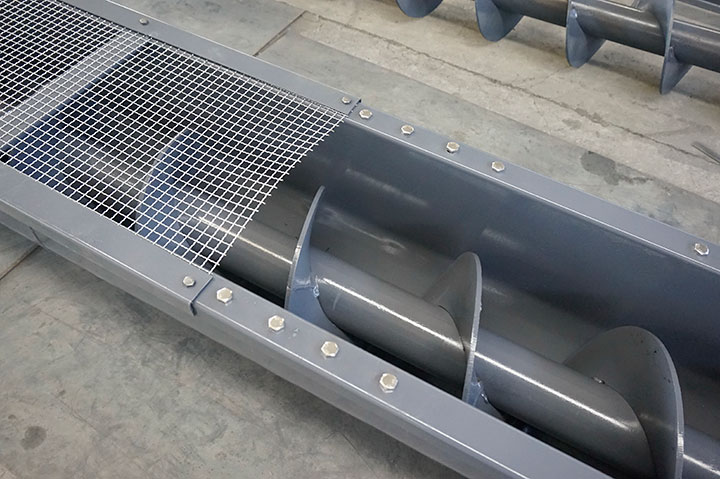
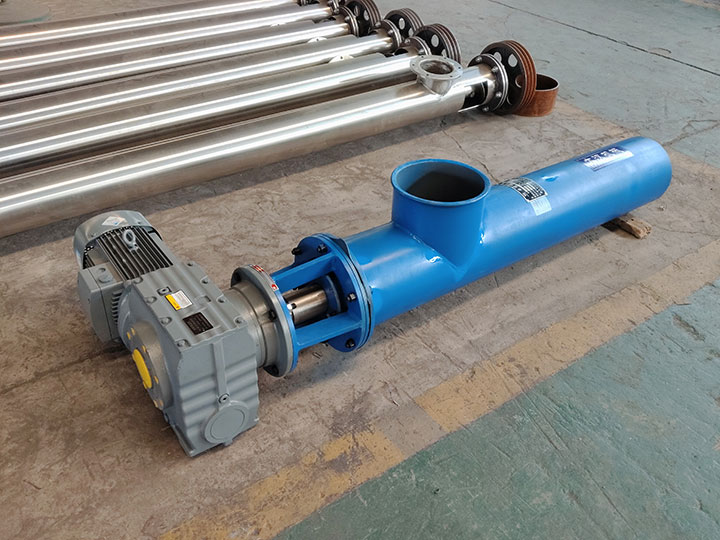
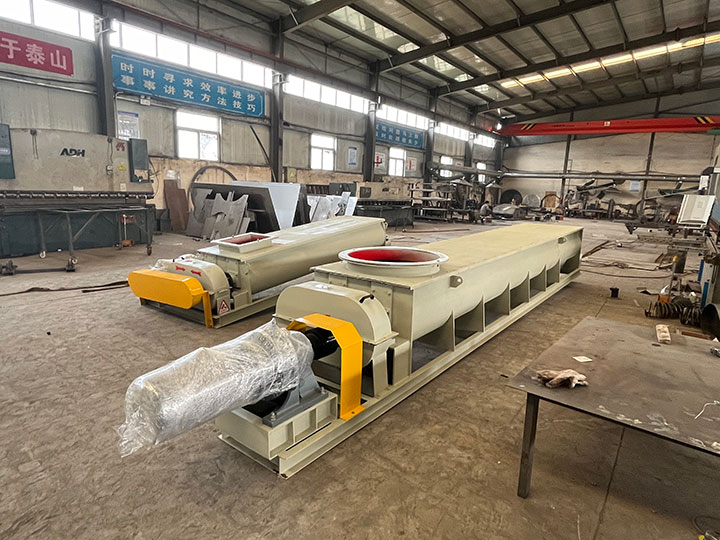
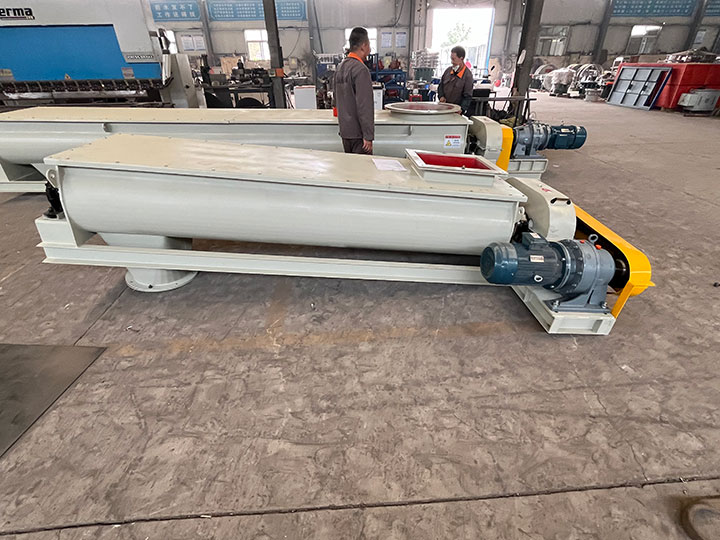
A screw conveyor is designed primarily to transfer bulk materials horizontally or at an incline under free-flow conditions with partial fill rates. In contrast, a screw feeder operates under full-load (flood-fed) conditions directly beneath storage silos, utilizing specialized variable pitch or shrouded inlets to extract compacted solids and meter volumetric output with high precision.
Yes, variable pitch screws are specifically engineered to handle aerated or floodable powders effectively. By progressively expanding the flight volume from the inlet zone toward discharge, the screw decompresses the material, prevents uncontrolled flooding through the trough, and ensures a stable, consistent feed rate into downstream equipment.
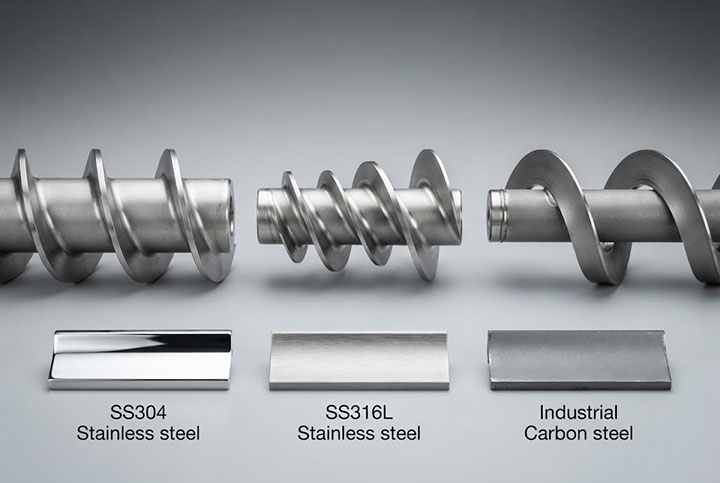
For handling corrosive chemicals or abrasive compounds, we offer premium grades of construction including stainless steel SUS304 and SUS316L for superior chemical resistance. Additionally, specialized surface passivation, protective coatings, and wear-resistant alloy linings can be applied to maximize equipment lifespan in harsh industrial environments.


Address:China,Yanjin county forest park gate to the west 1000 meters north road.


 Online Chat
 Email