


Choosing materials for a screw conveyor depends on what the machine handles and how it operates. A material that performs well with dry, free-flowing solids may wear quickly or corrode when exposed to sharp particles, moisture, or chemical residues.
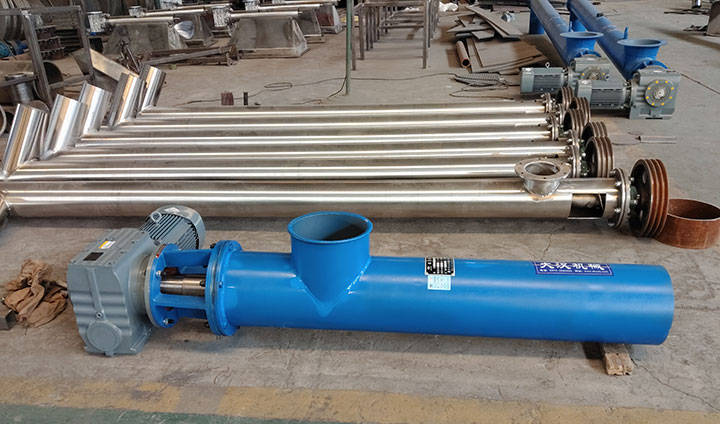
Before selecting the conveyor material, consider three factors:
Material characteristics: Particle size, shape, hardness, bulk density, and moisture content affect contact with the screw flights and casing.
Operating conditions: Conveying distance, inclination, throughput, and running hours influence mechanical loads and wear over time.
Environmental requirements: Humidity, corrosive substances, cleaning methods, and the risk of contamination may determine which materials are suitable.
These factors should be assessed together. For example, metal scrap containing sharp chips and residual cutting fluid presents different wear and corrosion concerns from dry metal fragments. Defining the actual operating conditions first helps narrow down suitable materials without paying for properties the application does not need.
Carbon steel and stainless steel serve different needs in screw conveyor applications. The right choice depends on the material being conveyed, the surrounding environment, and the expected service conditions rather than the steel type alone.
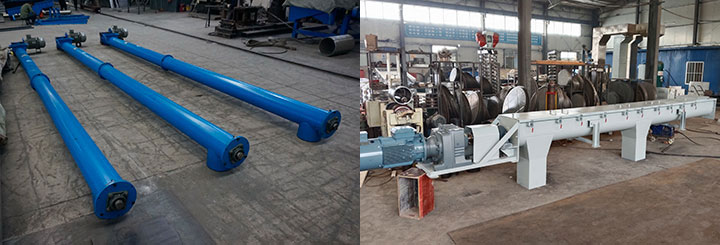
Carbon steel is a practical option for many general-purpose conveying applications where corrosion exposure is limited. It is commonly considered when equipment cost, fabrication, and structural requirements are key factors. However, prolonged exposure to moisture or corrosive residues may lead to rust and increase maintenance needs.
Stainless steel is worth considering when corrosion resistance, product cleanliness, or frequent washdown is important. The appropriate grade depends on the substances it contacts and the cleaning conditions. Stainless steel should not automatically be assumed to offer better wear resistance or longer service life in every application.
For metal scrap conveying, the decision should account for both the scrap itself and any residual oil, water, or processing chemicals. In some applications, carbon steel may be sufficient; in others, stainless steel or a combination of materials may be more suitable. Confirming these conditions before specifying the equipment helps avoid unnecessary material costs and premature component failure.
The right material depends on the conveying conditions, not just the material name. Use the following comparison as an initial guide, then confirm the equipment design against the actual operating requirements.
| Conveying Conditions | Key Selection Factors | What to Confirm |
|---|---|---|
| Dry, low-corrosion materials | Structural strength and overall cost | Material load, operating hours, and expected wear |
| Moist or corrosive materials | Corrosion resistance of contact components | Chemical composition, concentration, temperature, and exposure conditions |
| Sharp or abrasive materials | Wear resistance of screw flights and casing | Particle hardness, shape, operating rate, and actual wear locations |
| Metal chips and scrap | Wear, residual fluids, and conveyor configuration | Chip shape and size, oil or moisture content, material accumulation, and discharge requirements |
This comparison helps narrow down the material options, but material grade alone does not determine conveyor performance. Component dimensions, screw clearance, conveying capacity, and maintenance requirements should also be considered during equipment selection.
Wear-resistant materials should be considered when abrasive particles or repeated contact with sharp solids cause noticeable wear on screw conveyor components. The need depends on the material's hardness, shape, conveying rate, and operating hours.
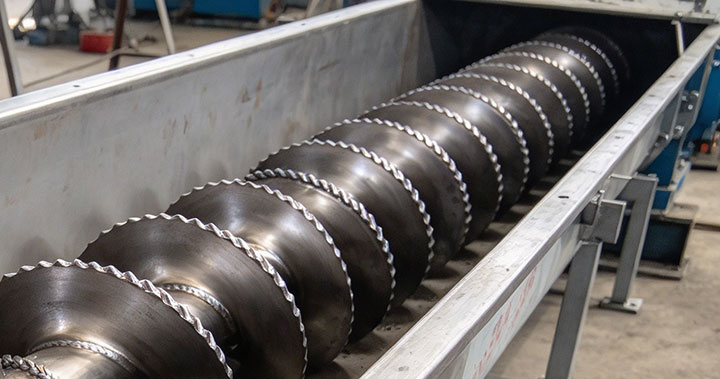
Before upgrading the material, identify where wear is most likely to occur:
Screw flights: Repeated contact with hard or sharp particles can gradually reduce flight thickness and conveying performance.
Casing: Wear may develop along contact areas, particularly where material accumulates or the clearance between the screw and casing is limited.
Inlet and discharge areas: Concentrated material impact or repeated contact may cause localized wear that requires separate protection.
For abrasive metal scrap, inspect worn components and consider the expected replacement interval before choosing a wear-resistant grade or protective treatment. Reinforcing specific areas may be more practical than upgrading every component. The final design should also account for screw clearance, material flow, and maintenance access.
The selected material must suit the component it is used for. A screw shaft, flight, and tubular casing do not perform the same function, so their material requirements should be evaluated alongside the conveyor's dimensions and operating load.
Different conveying applications place different demands on screw conveyor materials. The selection should reflect the condition of the material during handling, not just its name.
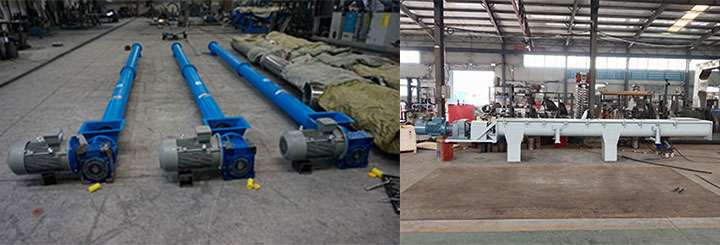
Dry powders and granules: Consider the risk of contamination, dust leakage, and material buildup. Applications requiring strict cleanliness may call for stainless steel contact surfaces.
Wet or corrosive materials: Evaluate moisture levels, chemical composition, and cleaning procedures before selecting the casing and screw materials.
Abrasive solids: Assess the expected wear on screw flights and other contact areas, especially when the conveyor operates for extended periods.
Metal scrap and machining chips: Irregular shapes, sharp edges, and residual cutting fluids can create combined wear and corrosion concerns. The screw flights, casing, and sealing arrangement should be evaluated against the actual scrap characteristics.
For metal scrap handling, a Tubular Screw Conveyor for Metal Scrap is one option to evaluate when an enclosed conveying arrangement is required. The appropriate material and configuration depend on scrap dimensions, throughput, moisture or oil content, and installation conditions.
Material selection errors often begin with incomplete operating information or assumptions that do not match the actual application. Avoid these common mistakes when specifying a screw conveyor:
Choosing by price alone: A lower purchase cost may lead to higher maintenance or replacement costs if the material is unsuitable.
Using the same material for every component: The shaft, screw flights, casing, and seals have different mechanical and environmental requirements.
Ignoring contamination or moisture: Water, cutting fluids, and chemical residues may change the corrosion risks during operation.
Upgrading materials without identifying the problem: More expensive materials will not necessarily solve wear caused by unsuitable clearances or poor material flow.
Providing incomplete equipment specifications: Missing capacity, conveying distance, installation angle, or operating hours can lead to an unsuitable design.
Before requesting a quotation, confirm the material characteristics, conveying requirements, and operating environment. This gives the manufacturer a more reliable basis for selecting the components and specifications that the application actually needs.
To receive a suitable screw conveyor proposal, provide enough information for the manufacturer to assess the equipment size, configuration, and material requirements.
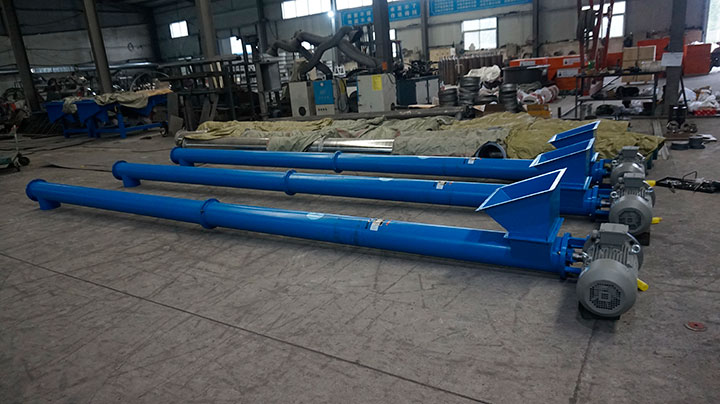
For metal scrap and machining waste, review the Tubular Screw Conveyor for Metal Scrap and send your material details, capacity, and installation dimensions to Dahan Machine. Photos of the scrap and installation area can also help clarify the application before equipment specifications are finalized.
There is no single material suitable for every application. Carbon steel may suit general-purpose conveying, while stainless steel may be preferred where corrosion resistance or cleanliness is important. The final choice depends on the material handled and the operating environment.
Not necessarily. Corrosion resistance and abrasion resistance are different properties. For abrasive materials, evaluate the wear performance of the screw flights and other contact surfaces rather than choosing based on corrosion resistance alone.
Provide the material type, particle size, moisture content, required capacity, conveying distance, installation angle, and daily operating hours. Photos of the material and installation area can also help the manufacturer assess the application and recommend suitable specifications.


Address:China,Yanjin county forest park gate to the west 1000 meters north road.


 Online Chat


 Email