


If you have ever operated an Industrial Vibrating Screen, you have likely dealt with screen mesh breakage. It is one of the most frustrating and costly problems in screening operations—unplanned downtime, replacement labor, and production delays.
Here is the hard truth: most screen mesh breakage problems are not caused by poor mesh quality. They are caused by decisions made during the purchasing stage.
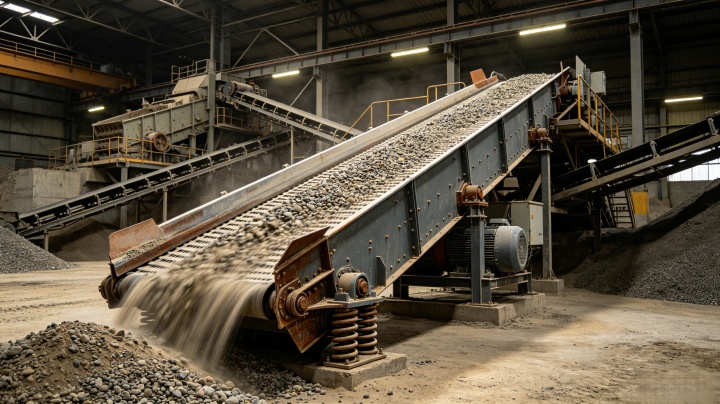
This article explains why mesh fails and gives you practical steps to avoid these problems before you place your next order.
Let us start with numbers.
A medium-sized aggregate plant was replacing its screen mesh every 10 to 12 days. Each replacement cost approximately $300 for new mesh panels, plus labor and 4 hours of production downtime. Over one year, that plant spent over $12,000 in direct costs on mesh replacement alone. Lost production revenue was significantly higher.
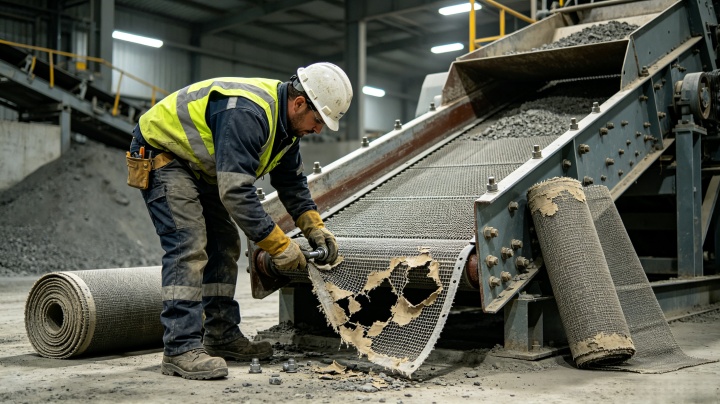
The frustrating part? After investigating, they discovered that the entire problem could have been avoided with better sourcing decisions.
Here are the three most common reasons industrial vibrating screen mesh fails prematurely.
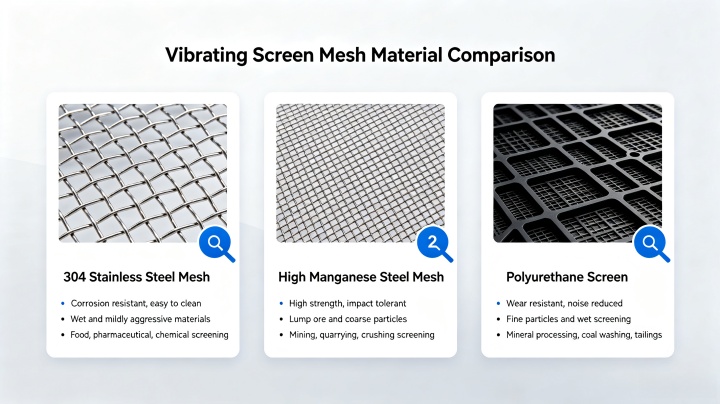
Many buyers default to standard stainless steel woven wire mesh (304 grade) because it is common and affordable. However, different materials behave very differently.
| Mesh Material | Best For | Weakness |
| Stainless Steel 304 | Food, chemicals, general dry materials | Wears quickly on abrasive ores |
| High Manganese Steel | Heavy abrasion (ore, quarry, coal) | Expensive; overkill for light-duty |
| Polyurethane | Wet screening, high impact | Poor heat resistance |
If you are screening granite or iron ore but ordered standard 304 stainless mesh, breakage is guaranteed within days—not because the mesh is defective, but because the material was never designed for that job.
Wire diameter is the thickness of the wire used to weave the mesh. Many buyers do not specify wire diameter at all. They just ask for "5mm mesh," referring only to the opening size. But a 5mm opening can be made with 1.0mm, 1.6mm, or 2.0mm wire—and each has a very different service life. Thicker wire lasts longer on abrasive materials but reduces throughput. Thinner wire wears out much faster.
The Sourcing Mistake: Not specifying wire diameter. The supplier sends whatever they have in stock, often the thinnest wire because it costs less.
Every screen is designed for a specific maximum feed size. When particles larger than this enter the deck, they act like hammers—repeatedly striking the mesh and causing localized damage.
A limestone plant found that their crusher occasionally passed 120mm rocks into a screen designed for 80mm max feed. Those oversized rocks were the real killers of their mesh, not the mesh quality itself.
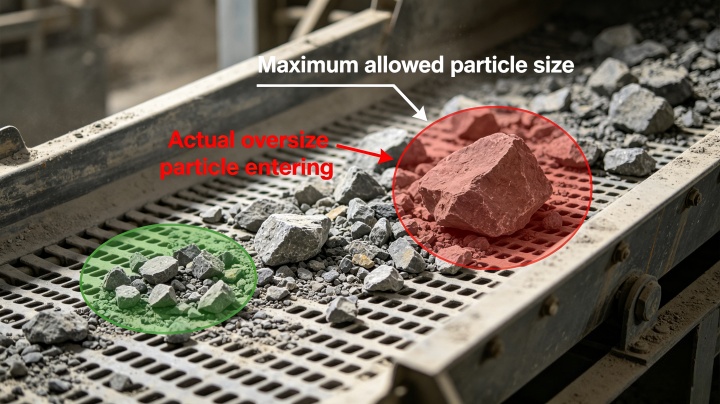
The Sourcing Mistake: Buying a screen without verifying that upstream equipment is controlled to prevent oversized material from reaching the screen.
Here are specific actions you can take during the purchasing process to avoid these problems.
When sourcing an industrial vibrating screen, the single most important step is providing complete material characteristics to your supplier. This allows them to engineer the right mesh specification for your specific vibrating screen application. When you request a quote for your industrial screening equipment, always include:
A competent supplier will recommend the correct mesh material and wire diameter based on these answers. If the supplier does not ask for this information, consider that a warning sign.
Example inquiry:
"We are screening crushed limestone with a maximum feed size of 60mm, moisture around 4%, and target throughput of 80 tons/hour. Please recommend the appropriate mesh material and wire diameter."
Do not leave wire diameter to chance. Instead of ordering:
"5mm opening stainless steel mesh"
Order:
"5mm opening stainless steel mesh, 304 grade, wire diameter 1.6mm, panel size 1200mm x 2400mm"
Having these details in writing protects you if the delivered mesh does not match what you ordered.
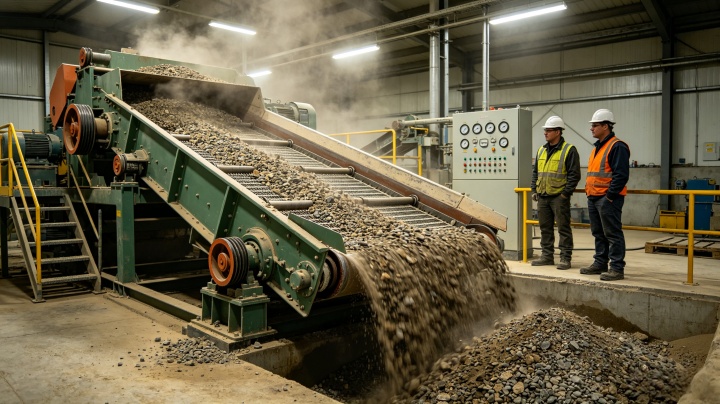
If oversized particles are a concern, install a scalping screen or grizzly bars upstream of your main screen. This pre-screening step removes particles larger than your screen's maximum feed size before they can cause damage. The cost of a simple scalping screen is often far less than the cost of frequent mesh replacement and downtime.
Many buyers wait until they need replacement mesh before ordering it. This often results in receiving whatever mesh is available at the time—which may not match the original specifications.
Order spare mesh panels with your initial purchase. This ensures you have the correct wire diameter, material grade, and opening size, and you avoid being forced to accept inferior substitutes in an emergency.
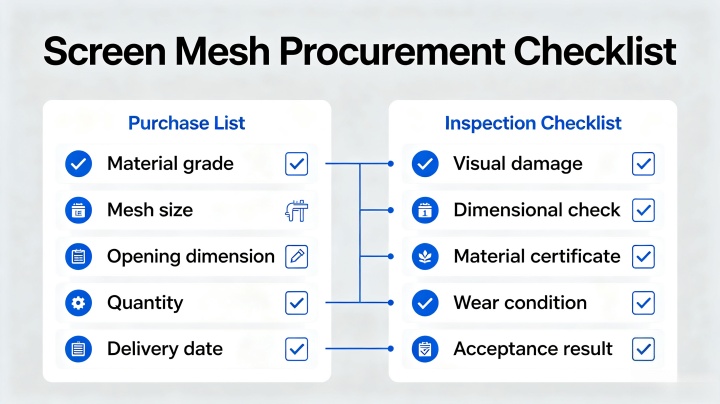
Use this checklist when you contact suppliers:
| Check Item | What to Confirm |
| Material type | Did you tell the supplier exactly what you are screening? |
| Mesh material | Is the grade specified (304, high manganese, polyurethane, etc.)? |
| Wire diameter | Is it specified in millimeters on the quote? |
| Panel dimensions | Do they match your screen deck exactly? |
| Spare mesh | Is a set of spare mesh included or recommended? |
| Upstream protection | Is there a plan to prevent oversized particles from reaching the screen? |
Frequent mesh breakage on your industrial vibrating screen is not inevitable. In most cases, it is a preventable problem that starts with purchasing decisions. By understanding the real causes—wrong material, incorrect wire diameter, and oversized feed—and by taking specific actions when sourcing your next industrial vibrating screen, you can extend mesh life, reduce downtime, and lower operating costs.
The key is to treat your industrial vibrating screen mesh as a critical component, not a disposable commodity. The questions you ask before you buy matter more than the price you pay.
By understanding the real causes—wrong material, incorrect wire diameter, and oversized feed—and by taking specific actions during sourcing, you can extend mesh life, reduce downtime, and lower operating costs.
The key is to treat screen mesh as a critical component, not a disposable commodity. The questions you ask before you buy matter more than the price you pay.
If you are currently experiencing frequent mesh breakage, review your last purchase order against the checklist above. A few small changes in your sourcing process can make a big difference.


Address:China,Yanjin county forest park gate to the west 1000 meters north road.


 Online Chat
 Email
Email