


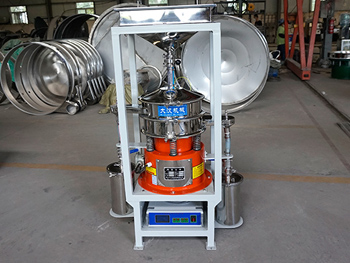
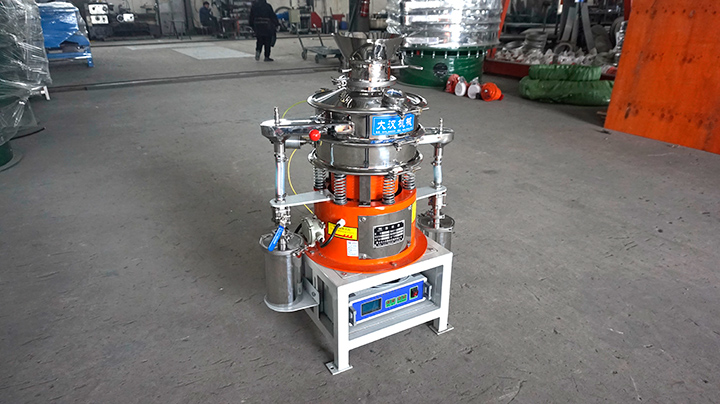
3D Printing Metal Powder Ultrasonic Sieves are designed for particle-size classification of fine metal powders used in additive manufacturing, including titanium alloys, aluminum alloys, stainless steel, and nickel-based alloys. The ultrasonic screening system helps reduce mesh blinding caused by fine particles, agglomeration, and electrostatic effects, supporting more consistent powder separation.
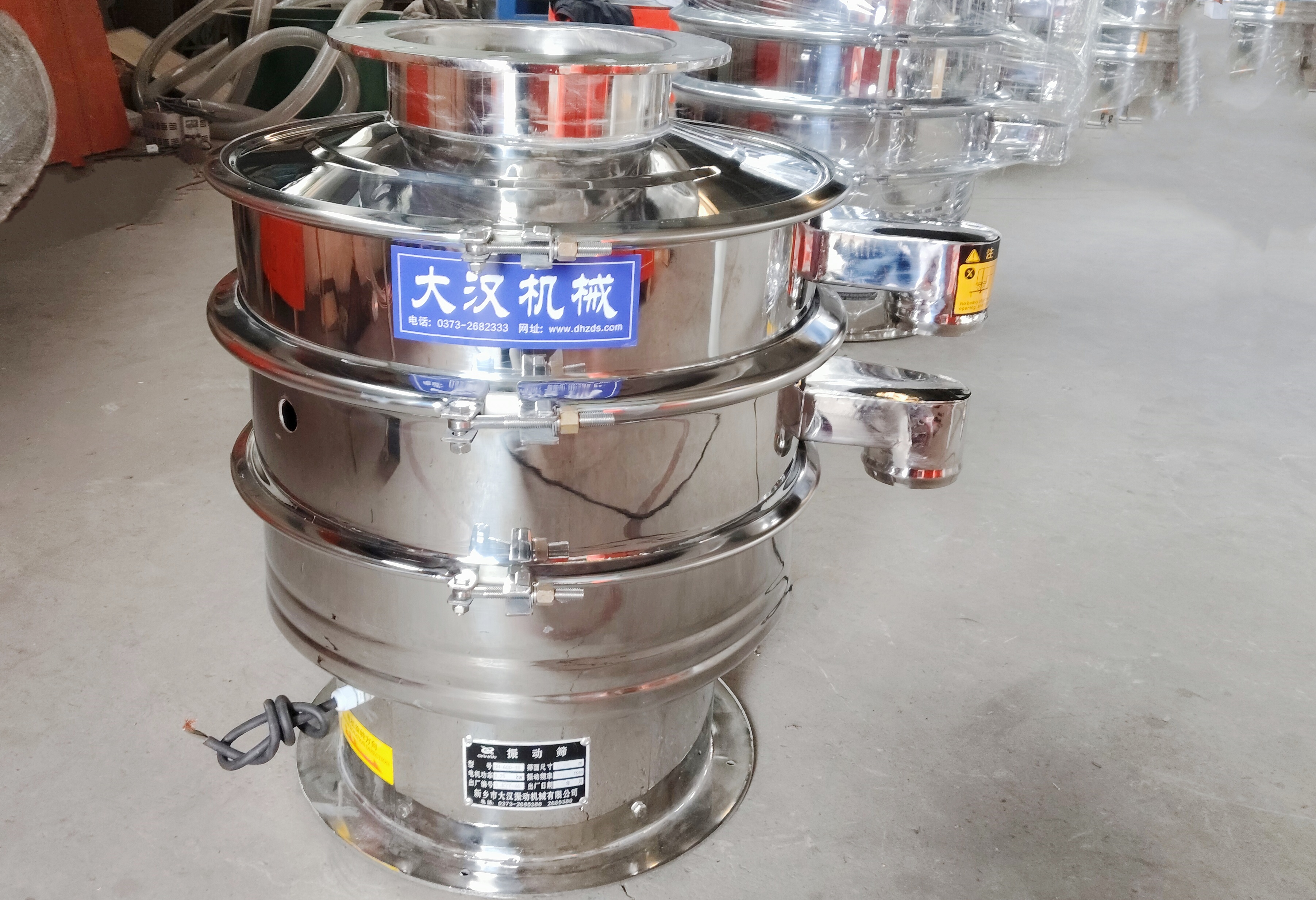
Depending on the application, the equipment can be configured for particle-size classification, oversized particle removal, and screening of recovered metal powder for reuse. Standard ultrasonic screening and optional inert gas protection are separate configuration choices. Screen mesh, screening area, deck quantity, and enclosure design can be selected according to the powder characteristics, target particle-size range, throughput, and process safety requirements.
3D Printing Metal Powder Ultrasonic Sieves combine ultrasonic technology with a vibrating sieving structure, effectively solving the problems of fine powder clogging and agglomeration. It can strictly control powder particle size, while the sealed design reduces material loss and oxidation, and protects the original powder shape. It is suitable for various metal powders.
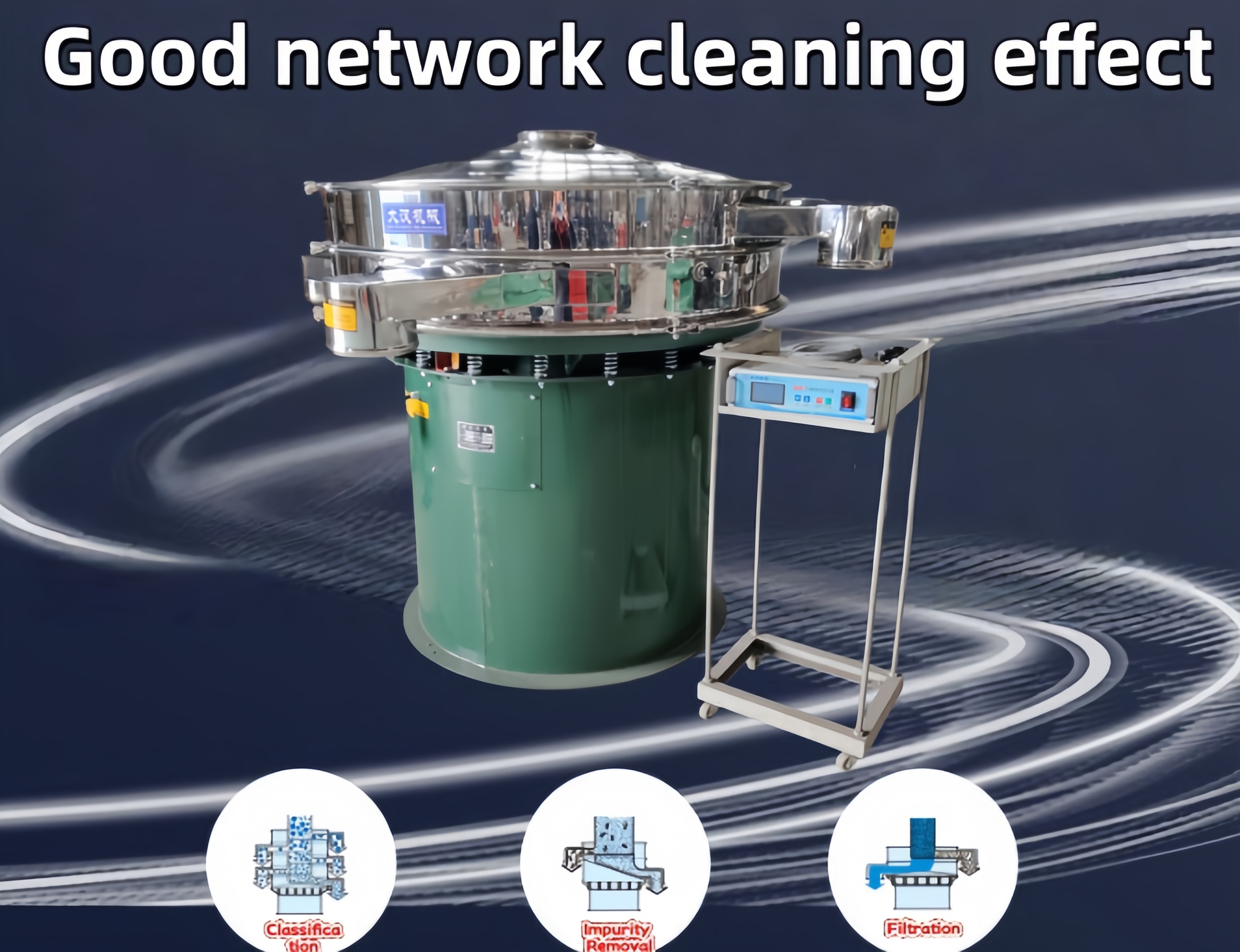
Strong anti-clogging effect: High-frequency ultrasonic vibration breaks up powder agglomerates, preventing fine metal powder from sticking to and clogging the screen, ensuring continuous sieving.
High sieving accuracy: Adapts to the particle size requirements of 3D printing powders, ensuring uniform grading and a high rate of finished product particle size compliance.
Low material loss: The sealed structure reduces metal powder scattering and oxidation, saving raw materials.
Wide compatibility: Can handle various 3D printing metal powders such as titanium, aluminum, and stainless steel.
We offer two mainstream sieving machines to meet different production standards and application scenarios for 3D printing metal powders. For general operation, we use an ultrasonic sieve, emphasizing rapid grading and self-cleaning. For high-purity, easily oxidized powders, we use an ultrasonic airtight sieve, relying on a fully enclosed protective structure to isolate air. Both models incorporate ultrasonic technology to meet the diverse sieving needs of the industry.
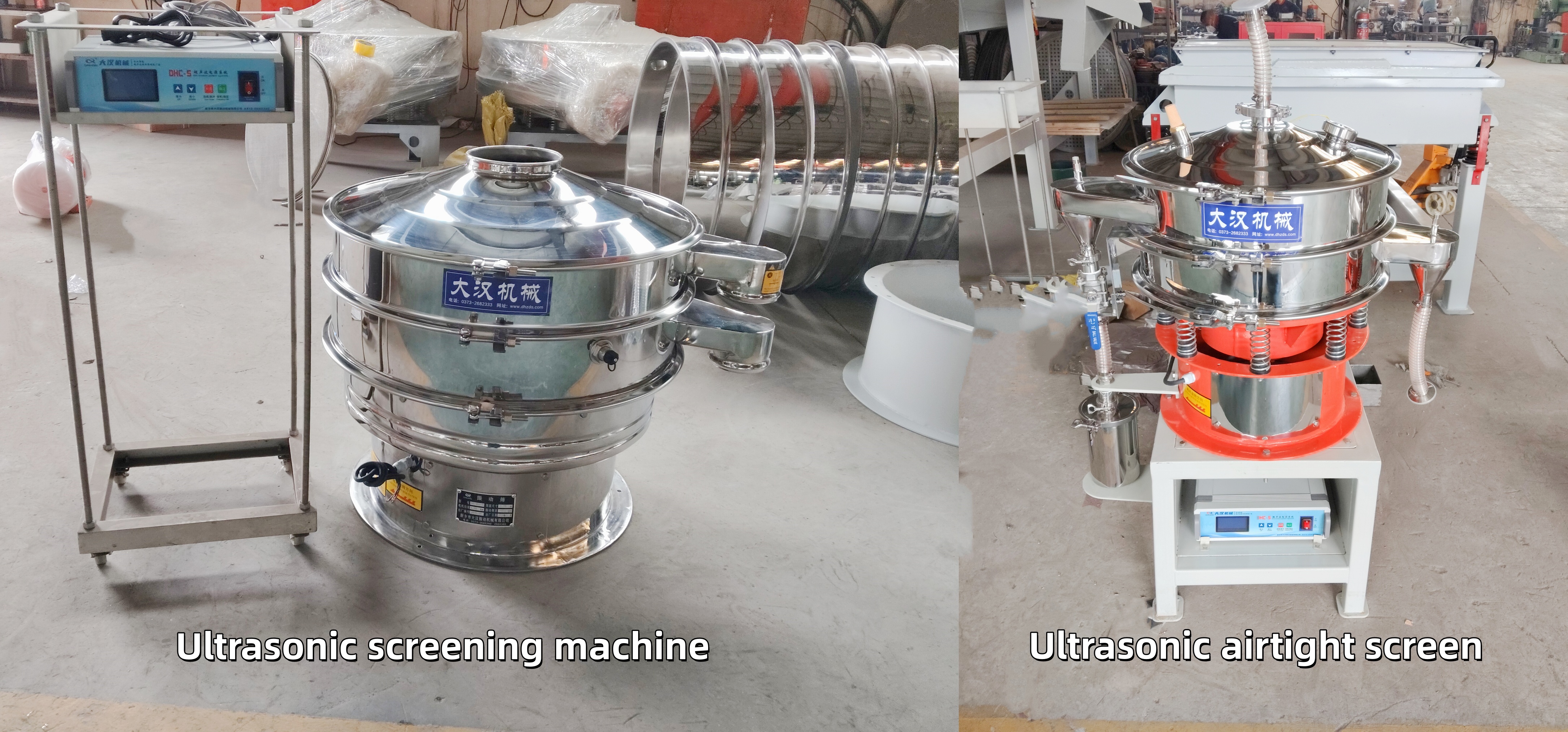
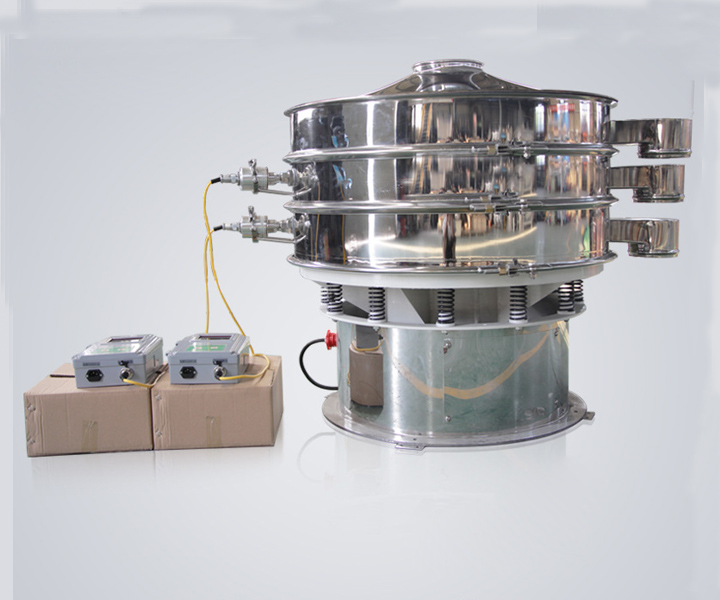
Ultrasonic Sieve: Integrating three-dimensional rotary vibration and ultrasonic screen cleaning technology, the sieve features high-frequency self-cleaning and can stably process 200-500 mesh ultrafine powders. It adopts an external ultrasonic system, which is removable for maintenance, reducing downtime costs. The processing capacity reaches 300-1000 kg/h. The three-dimensional vibration trajectory ensures thorough material dispersion and high sieve penetration.
Ultrasonic Airtight Sieves: Developed for easily oxidized, high-purity 3D printing metal powders, this fully enclosed structure with an inert gas protection system prevents powder oxidation and contamination. It integrates ultrasonic screen cleaning and airtight circulation technology, isolating external impurities throughout the sieving process. Compatible with high-end powders such as titanium alloys and stainless steel, it supports multi-layer grading.
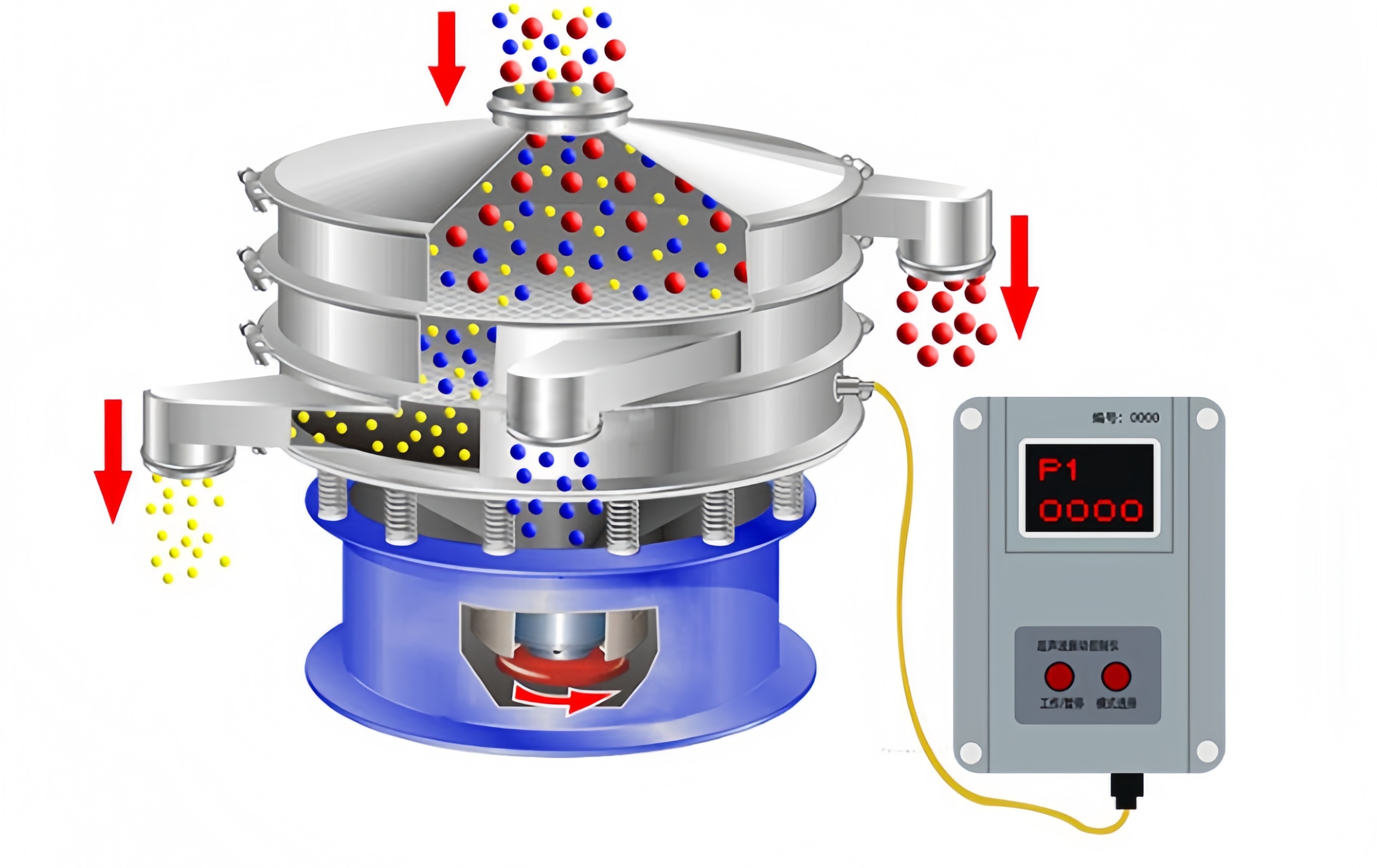
During operation, the powder to be sieved is first fed into the equipment through the inlet. Then, the main unit and ultrasonic system are activated, generating high-frequency micro-vibrations on the screen. Under this vibration, the powder quickly separates into layers. Fine, qualified particles pass through the screen and fall into the storage device, ready for direct use in 3D printing. Agglomerated powder and large impurities move along the screen surface and are discharged from the coarse outlet.
The screening specifications of 3D printing metal powder ultrasonic sieves depend on the equipment model, effective screening area, screen mesh, powder properties, and required throughput. The available mesh range and number of screening layers should be confirmed for the selected configuration before ordering.
| Model |
Screen Diameter (mm) |
Sieving Area (m2) |
Screen Size (mesh) |
Layers |
Power (KW) |
| DHC-400 | 340 | 0.091 | 80-600 | 1~5 | 0.18 |
| DHC-600 | 540 | 0.229 | 0.25 | ||
| DHC-800 | 730 | 0.418 | 0.55 | ||
| DHC-1000 | 900 | 0.636 | 0.75 | ||
| DHC-1200 | 1100 | 0.95 | 1.1 | ||
| DHC-1500 | 1400 | 1.539 | 1.5 | ||
| DHC-1800 | 1700 | 2.269 | 2.2 | ||
| DHC-2000 | 1886 | 2.792 | 2.2 |
The specifications describe the available equipment configurations. Actual screening capacity and separation performance may vary with particle-size distribution, powder flowability, feed rate, and operating conditions.
Selecting the right screen mesh for 3D printing metal powders requires more than choosing a mesh count. The appropriate opening depends on the target particle-size distribution, powder characteristics, screening objective, and requirements of the downstream additive manufacturing process.
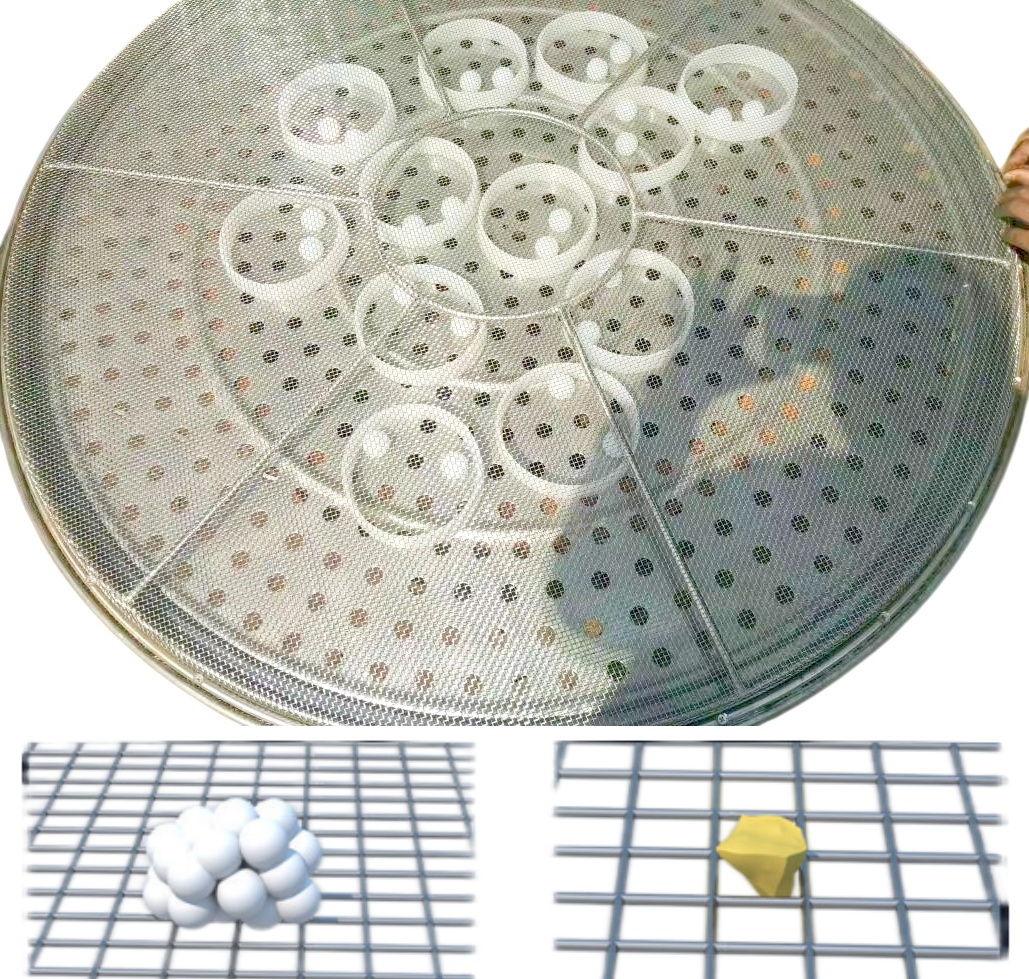
Define the Target Particle-Size Range
Determine the required particle-size limits and the fraction that needs to be removed or recovered. Confirm the applicable sieve standard and compare mesh count with the corresponding aperture size in micrometers (μm) to avoid confusion between different specifications.
Consider Powder Flowability and Screen Blinding
Fine metal powders may agglomerate or adhere to the screen under certain conditions. Ultrasonic screen excitation can help reduce mesh blinding, but the result depends on powder properties, moisture, electrostatic behavior, screen condition, and operating parameters.
Match the Mesh to Throughput and Screening Objectives
A finer screen does not automatically provide higher screening efficiency or greater throughput. The final selection should balance separation requirements, feed rate, usable screening area, powder recovery needs, and acceptable material loss. Where necessary, confirm the proposed configuration through a screening test using the actual powder.
Fine metal powders used in additive manufacturing may require screening to remove oversized particles and agglomerates before reuse or further processing. When the powder contains fine particles that tend to adhere to the mesh, screen blinding can reduce effective screening performance and interrupt production.
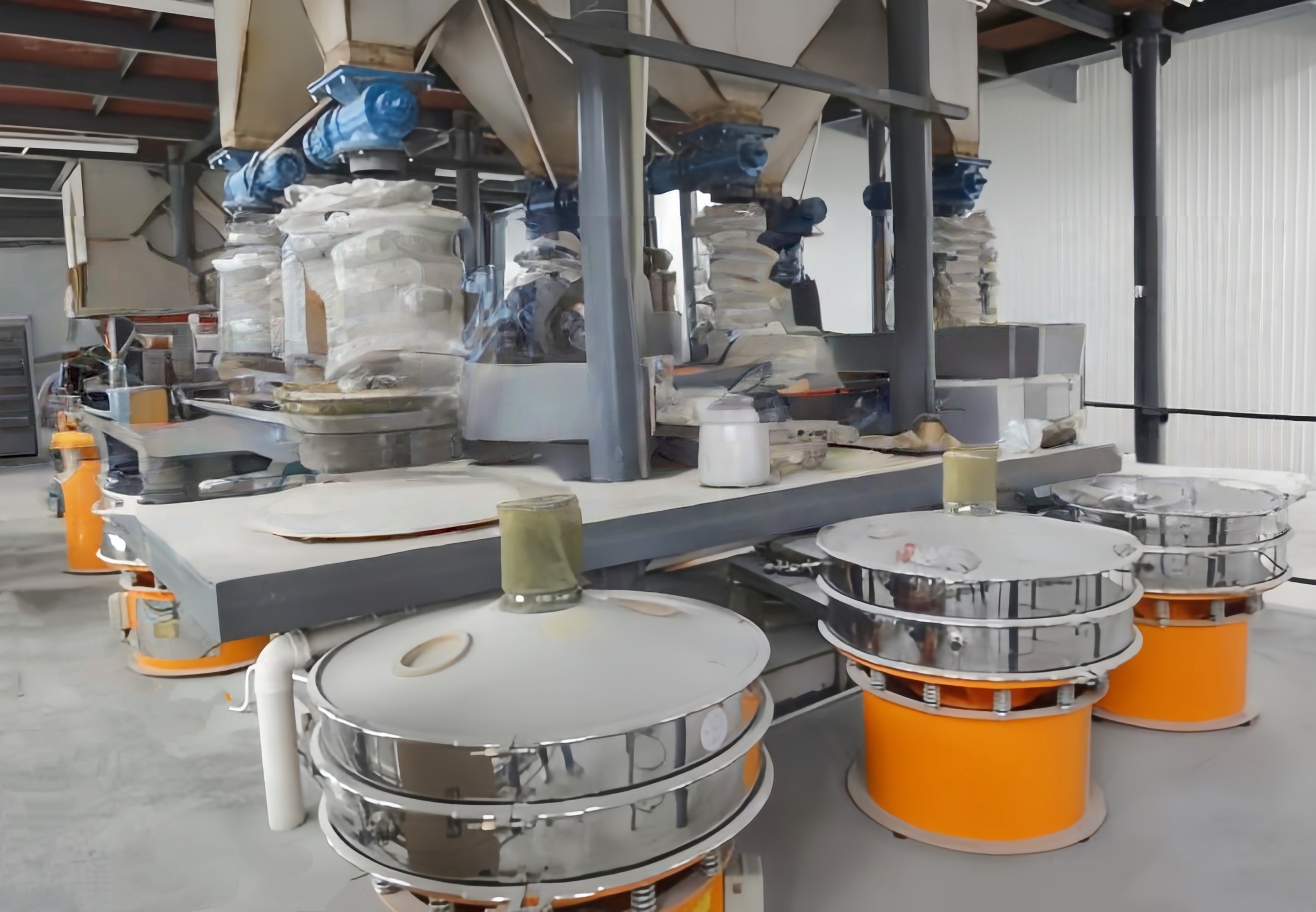
For this application, an ultrasonic screening configuration can be evaluated to help maintain mesh openings and support particle-size classification. The appropriate equipment model, screen aperture, ultrasonic settings, and feed rate should be selected according to the powder type, target particle-size distribution, and required processing capacity.
To verify the screening result, the test should record the metal powder type, initial particle-size distribution, screen aperture, feed rate, processing time, recovered powder quantity, and the method used to evaluate separation performance. These details help determine whether the selected configuration meets the application's screening and powder-recovery requirements.
DaHan can assess the screening requirements and recommend a suitable configuration based on the customer's powder sample and process conditions.
DaHan provides screening equipment configurations for fine metal powders used in additive manufacturing. Equipment selection can be tailored to the required screening capacity, target particle-size range, powder characteristics, and production process.
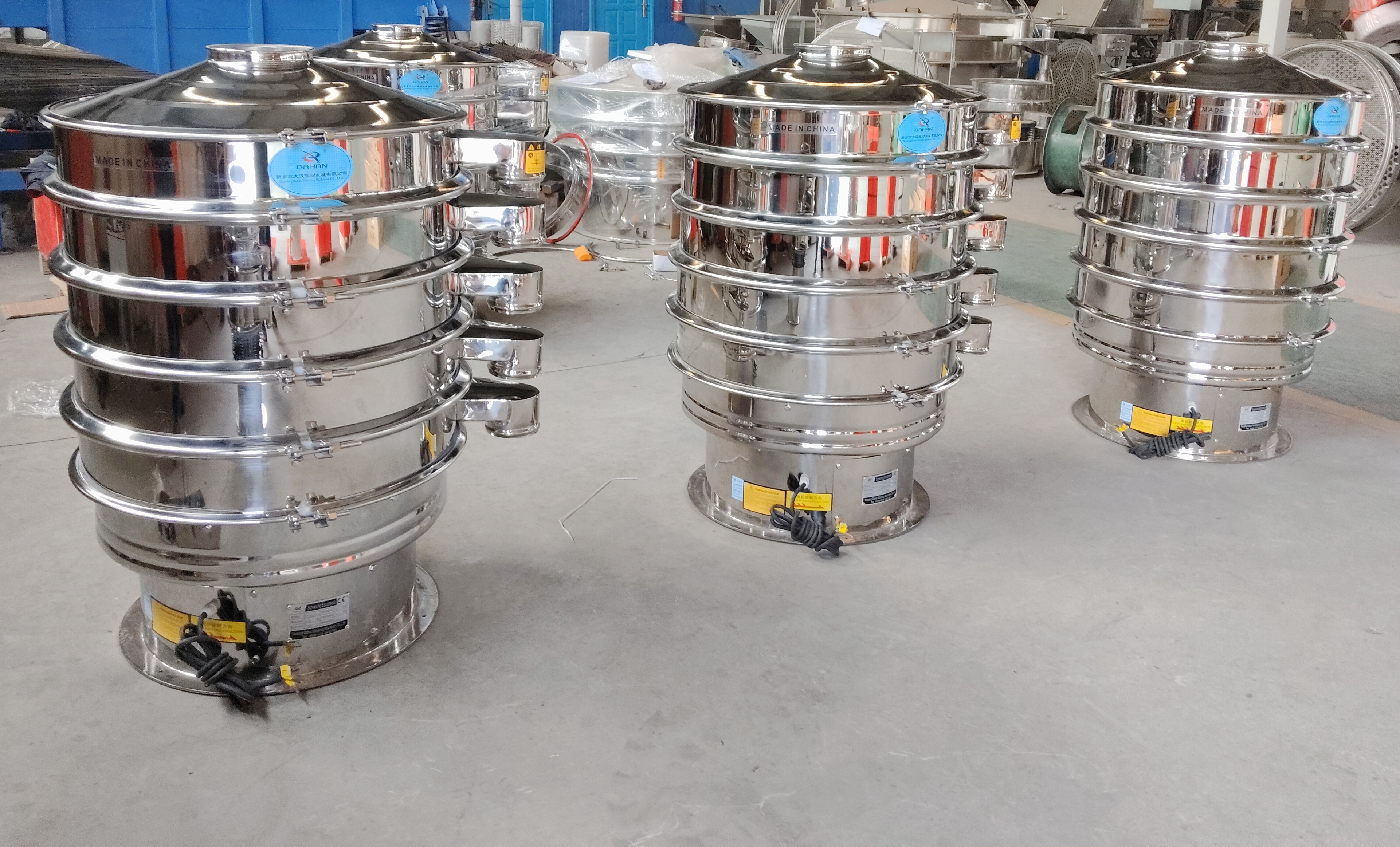
Depending on the application and available model configuration, customization may include:
To recommend a suitable configuration, provide the metal powder type, target particle-size range, required processing capacity, and any atmosphere-control requirements. A powder sample and screening test may help confirm the proposed setup before production.
Request a Metal Powder Screening Solution to discuss your application and equipment requirements with DaHan.
Choose the mesh according to the target particle-size distribution, required separation limits, applicable sieve standard, and powder characteristics. Confirm the corresponding aperture in micrometers (μm), and verify the proposed mesh with a screening test when precise classification is required.
Ultrasonic excitation helps reduce mesh blinding caused by fine particles and agglomeration. Actual performance depends on powder properties, screen aperture, feed rate, and operating conditions, so testing with the intended material is recommended.
Inert gas protection may be required when the powder or process needs to limit contact with ambient air. The appropriate design depends on the material's reactivity and process safety assessment. Confirm the sealing, gas-control, monitoring, and safety requirements with the equipment supplier.


Address:China,Yanjin county forest park gate to the west 1000 meters north road.


 Online Chat
 Email